 Up to 12 year labour warranty


Working with a Gas Boiler Installation Company: Questions to Ask First
Choosing a new boiler is a significant household decision, but many homeowners focus heavily on the appliance itself while overlooking the importance of the installation process.

Why you can trust our content
At CafGas CIC, we know choosing a new boiler can feel overwhelming, especially with so much conflicting advice online. That’s why we focus on clear guidance, honest recommendations, and trusted expertise to help homeowners make informed decisions about their heating systems.

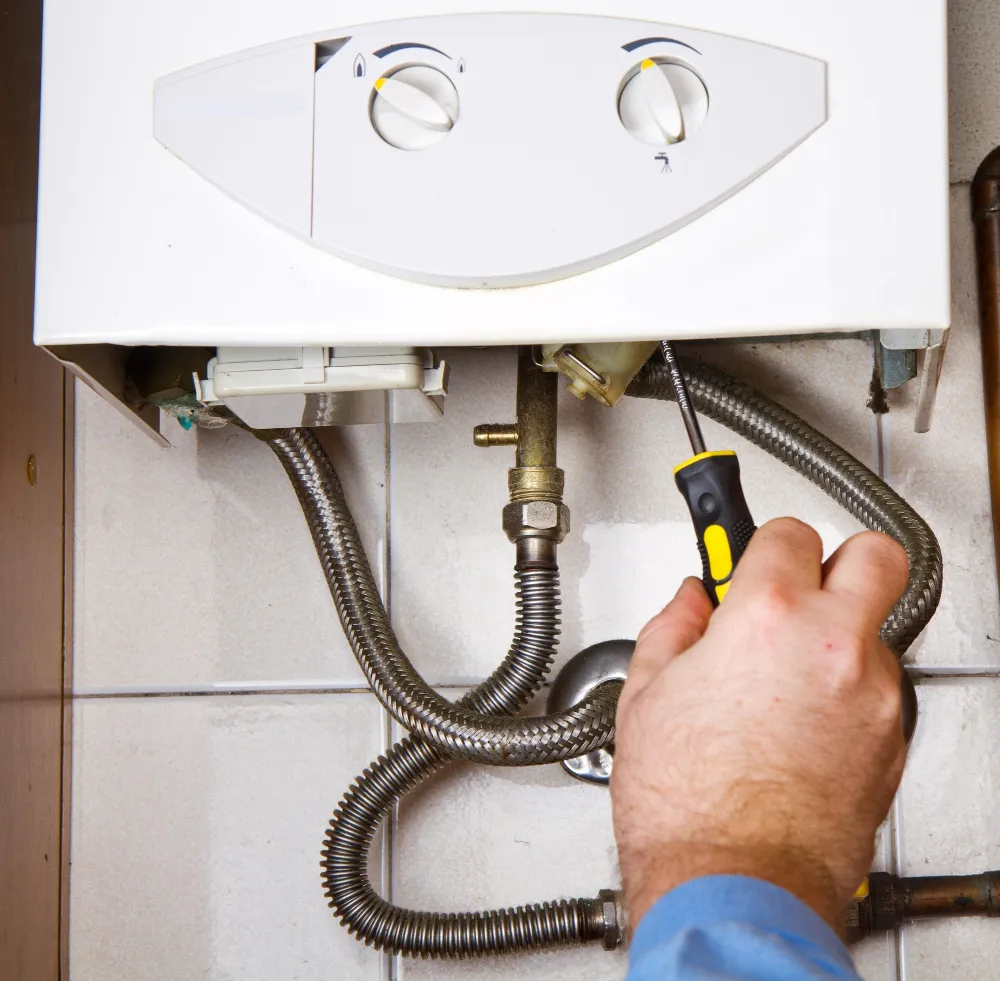
The quality of the installer can affect everything from heating performance and efficiency to long-term reliability and warranty protection. Asking the right questions before work begins helps homeowners understand what is included, how the system will be installed, and whether the recommendation genuinely suits the property.
A clear conversation at the beginning of the process can also help avoid confusion, unexpected costs, and future heating problems.
Why Is It Important to Ask Questions Before Installation?
Every property has different heating demands, pipework layouts, and hot water requirements.
Without proper assessment, homeowners may end up with:
- An incorrectly sized boiler
- Inefficient controls
- Poor heating performance
- Reduced system lifespan
- Unexpected installation costs
A professional installer should welcome questions and explain recommendations clearly rather than rushing through the quoting process.
Many people researching a gas boiler installation company want reassurance that the installer is focused on long-term performance rather than simply fitting the appliance as quickly as possible.
Is the Engineer Properly Qualified?
One of the first questions homeowners should ask is whether the installer is registered with the Gas Safe Register.
Gas Safe registration is legally required for engineers carrying out gas appliance work in the UK.
Homeowners should also ask:
| Qualification Question | Why It Matters |
| Is the engineer Gas Safe registered? | Confirms legal certification |
| Does the installer specialise in boilers? | Shows focused experience |
| Are manufacturer accreditations held? | May support extended warranties |
| How long has the company operated? | Indicates practical experience |
Reliable installers are usually happy to provide this information openly.
If you would like professional guidance on choosing the right heating system, contact CafGas to discuss your property and installation requirements.
What Type of Boiler Is Being Recommended?
Not every boiler suits every property.
Before agreeing to installation, homeowners should ask why a particular system is being recommended.
This may include discussion around:
- Property size
- Number of bathrooms
- Hot water demand
- Existing heating system
- Water pressure
- Available installation space
A responsible installer should explain the reasoning behind the recommendation rather than simply suggesting the same model for every home.
Will the Heating System Be Assessed Properly?
A detailed survey helps identify issues that may affect installation quality or long-term performance.
The installer should usually inspect:
- Existing pipework
- Radiator condition
- Boiler location
- Flue positioning
- Water pressure
- Heating controls
For households considering gas boiler installation in Deeside, surveys are especially important in older properties where heating systems may have been modified over many years.
Without a proper assessment, important system improvements can easily be missed.
What Is Included in the Installation Quote?
Many homeowners assume all quotations include the same work, but this is not always the case.
Ask whether the quote covers:
- Boiler supply
- Labour costs
- Heating controls
- System flushing
- Magnetic filters
- Waste removal
- Pipework alterations
- Warranty registration
Clear quotations help homeowners compare installers more accurately while reducing the likelihood of unexpected charges later.
Which fuel powers your boiler?
It just takes 2 minutes
And then you can book a free consultation
Are Modern Heating Controls Included?
Heating controls play an important role in both comfort and energy efficiency.
Homeowners should ask whether the installation includes:
Smart Thermostats
Allow more precise temperature control and remote access.
Programmable Timers
Help reduce unnecessary heating usage.
Zoned Heating Controls
Allow different areas of the property to be heated separately.
Weather Compensation Features
Adjust heating performance based on outside temperatures.
A good installer should explain how these controls affect both household comfort and long-term running costs.
Will the System Be Flushed Before Installation?
System cleaning is one of the most important questions homeowners can ask.
Older heating systems often contain:
- Sludge
- Corrosion debris
- Dirty system water
If contamination remains within the system, it may reduce efficiency and damage the new boiler over time.
Responsible installers frequently recommend:
| Cleaning Option | Purpose |
| Chemical flush | Removes system debris |
| Power flush | Deep cleans pipework |
| Magnetic filter | Captures ongoing debris |
These measures help protect the new system and support long-term reliability.
Speak to CafGas if you would like advice on system cleaning, controls, or preparing your home for boiler replacement.
What Warranty Is Included?
Warranty coverage varies depending on:
- Boiler manufacturer
- Installer accreditation
- Installation standards
- Ongoing servicing requirements
Homeowners should ask:
- How long is the warranty?
- What does it cover?
- Are annual services required?
- Who handles warranty registration?
Understanding these details early helps avoid confusion later if repairs or servicing become necessary.
How Long Will Installation Take?
Timescales depend on the complexity of the work.
A straightforward replacement may take one day, while larger system upgrades can take longer.
Ask whether the installer expects additional work, such as:
- Pipework alterations
- Boiler relocation
- Control upgrades
- Radiator changes
This helps homeowners prepare properly before work begins.
A Typical Example of Good Installer Communication
A homeowner in Deeside requested quotations after their ageing combi boiler began breaking down repeatedly during winter.
One installer provided only a basic price with little explanation.
Another company carried out a full survey and discussed:
- Boiler sizing
- Hot water demand
- System flushing
- Heating control upgrades
- Warranty options
Although the second quote was slightly more detailed, the homeowner felt far more confident because the installer clearly explained how the recommendation suited the property.
This type of communication often reflects a more thorough installation approach overall.
Should Homeowners Ask About Aftercare?
Yes.
Good aftercare can help maintain system performance long after installation is complete.
Homeowners should ask whether the company provides:
- Annual servicing
- Maintenance reminders
- Ongoing support
- Fault assistance
Reliable aftercare can help protect the investment and reduce future heating concerns.
Most standard replacements take one to two days, depending on system complexity.
Final Thoughts
Asking detailed questions before installation helps homeowners understand exactly what is being recommended and why. A responsible installer should assess the wider heating system carefully, explain options clearly, and focus on long-term reliability rather than quick replacements alone.
Taking time to review the installation process properly can lead to better heating performance, improved efficiency, and greater confidence throughout the upgrade.
If you are considering a heating upgrade, CafGas can provide professional advice and tailored boiler recommendations based on your property and household needs.
Related articles
Which fuel powers your boiler?
At a glance
The quality of the installer can affect everything from heating performance and efficiency to long-term reliability and warranty protection. Asking the right questions before work begins helps homeowners understand what is included, how the system will be installed, and whether the recommendation genuinely suits the property.
A clear conversation at the beginning of the process can also help avoid confusion, unexpected costs, and future heating problems.
Why Is It Important to Ask Questions Before Installation?
Every property has different heating demands, pipework layouts, and hot water requirements.
Without proper assessment, homeowners may end up with:
- An incorrectly sized boiler
- Inefficient controls
- Poor heating performance
- Reduced system lifespan
- Unexpected installation costs
A professional installer should welcome questions and explain recommendations clearly rather than rushing through the quoting process.
Many people researching a gas boiler installation company want reassurance that the installer is focused on long-term performance rather than simply fitting the appliance as quickly as possible.
Is the Engineer Properly Qualified?
One of the first questions homeowners should ask is whether the installer is registered with the Gas Safe Register.
Gas Safe registration is legally required for engineers carrying out gas appliance work in the UK.
Homeowners should also ask:
| Qualification Question | Why It Matters |
| Is the engineer Gas Safe registered? | Confirms legal certification |
| Does the installer specialise in boilers? | Shows focused experience |
| Are manufacturer accreditations held? | May support extended warranties |
| How long has the company operated? | Indicates practical experience |
Reliable installers are usually happy to provide this information openly.
If you would like professional guidance on choosing the right heating system, contact CafGas to discuss your property and installation requirements.
What Type of Boiler Is Being Recommended?
Not every boiler suits every property.
Before agreeing to installation, homeowners should ask why a particular system is being recommended.
This may include discussion around:
- Property size
- Number of bathrooms
- Hot water demand
- Existing heating system
- Water pressure
- Available installation space
A responsible installer should explain the reasoning behind the recommendation rather than simply suggesting the same model for every home.
Will the Heating System Be Assessed Properly?
A detailed survey helps identify issues that may affect installation quality or long-term performance.
The installer should usually inspect:
- Existing pipework
- Radiator condition
- Boiler location
- Flue positioning
- Water pressure
- Heating controls
For households considering gas boiler installation in Deeside, surveys are especially important in older properties where heating systems may have been modified over many years.
Without a proper assessment, important system improvements can easily be missed.
What Is Included in the Installation Quote?
Many homeowners assume all quotations include the same work, but this is not always the case.
Ask whether the quote covers:
- Boiler supply
- Labour costs
- Heating controls
- System flushing
- Magnetic filters
- Waste removal
- Pipework alterations
- Warranty registration
Clear quotations help homeowners compare installers more accurately while reducing the likelihood of unexpected charges later.
Which fuel powers your boiler?
It just takes 2 minutes
And then you can book a free consultation
Are Modern Heating Controls Included?
Heating controls play an important role in both comfort and energy efficiency.
Homeowners should ask whether the installation includes:
Smart Thermostats
Allow more precise temperature control and remote access.
Programmable Timers
Help reduce unnecessary heating usage.
Zoned Heating Controls
Allow different areas of the property to be heated separately.
Weather Compensation Features
Adjust heating performance based on outside temperatures.
A good installer should explain how these controls affect both household comfort and long-term running costs.
Will the System Be Flushed Before Installation?
System cleaning is one of the most important questions homeowners can ask.
Older heating systems often contain:
- Sludge
- Corrosion debris
- Dirty system water
If contamination remains within the system, it may reduce efficiency and damage the new boiler over time.
Responsible installers frequently recommend:
| Cleaning Option | Purpose |
| Chemical flush | Removes system debris |
| Power flush | Deep cleans pipework |
| Magnetic filter | Captures ongoing debris |
These measures help protect the new system and support long-term reliability.
Speak to CafGas if you would like advice on system cleaning, controls, or preparing your home for boiler replacement.
What Warranty Is Included?
Warranty coverage varies depending on:
- Boiler manufacturer
- Installer accreditation
- Installation standards
- Ongoing servicing requirements
Homeowners should ask:
- How long is the warranty?
- What does it cover?
- Are annual services required?
- Who handles warranty registration?
Understanding these details early helps avoid confusion later if repairs or servicing become necessary.
How Long Will Installation Take?
Timescales depend on the complexity of the work.
A straightforward replacement may take one day, while larger system upgrades can take longer.
Ask whether the installer expects additional work, such as:
- Pipework alterations
- Boiler relocation
- Control upgrades
- Radiator changes
This helps homeowners prepare properly before work begins.
A Typical Example of Good Installer Communication
A homeowner in Deeside requested quotations after their ageing combi boiler began breaking down repeatedly during winter.
One installer provided only a basic price with little explanation.
Another company carried out a full survey and discussed:
- Boiler sizing
- Hot water demand
- System flushing
- Heating control upgrades
- Warranty options
Although the second quote was slightly more detailed, the homeowner felt far more confident because the installer clearly explained how the recommendation suited the property.
This type of communication often reflects a more thorough installation approach overall.
Should Homeowners Ask About Aftercare?
Yes.
Good aftercare can help maintain system performance long after installation is complete.
Homeowners should ask whether the company provides:
- Annual servicing
- Maintenance reminders
- Ongoing support
- Fault assistance
Reliable aftercare can help protect the investment and reduce future heating concerns.
Most standard replacements take one to two days, depending on system complexity.
Final Thoughts
Asking detailed questions before installation helps homeowners understand exactly what is being recommended and why. A responsible installer should assess the wider heating system carefully, explain options clearly, and focus on long-term reliability rather than quick replacements alone.
Taking time to review the installation process properly can lead to better heating performance, improved efficiency, and greater confidence throughout the upgrade.
If you are considering a heating upgrade, CafGas can provide professional advice and tailored boiler recommendations based on your property and household needs.


