 Up to 12 year labour warranty



New Combi Boiler Deeside: Preheat vs Eco Mode Explained for Homeowners
Discover how Preheat and Eco mode work on combi boilers, how they affect hot-water waiting times and which setting may suit your home.

Why you can trust our content
At CafGas CIC, we know choosing a new boiler can feel overwhelming, especially with so much conflicting advice online. That’s why we focus on clear guidance, honest recommendations, and trusted expertise to help homeowners make informed decisions about their heating systems.

Introduction
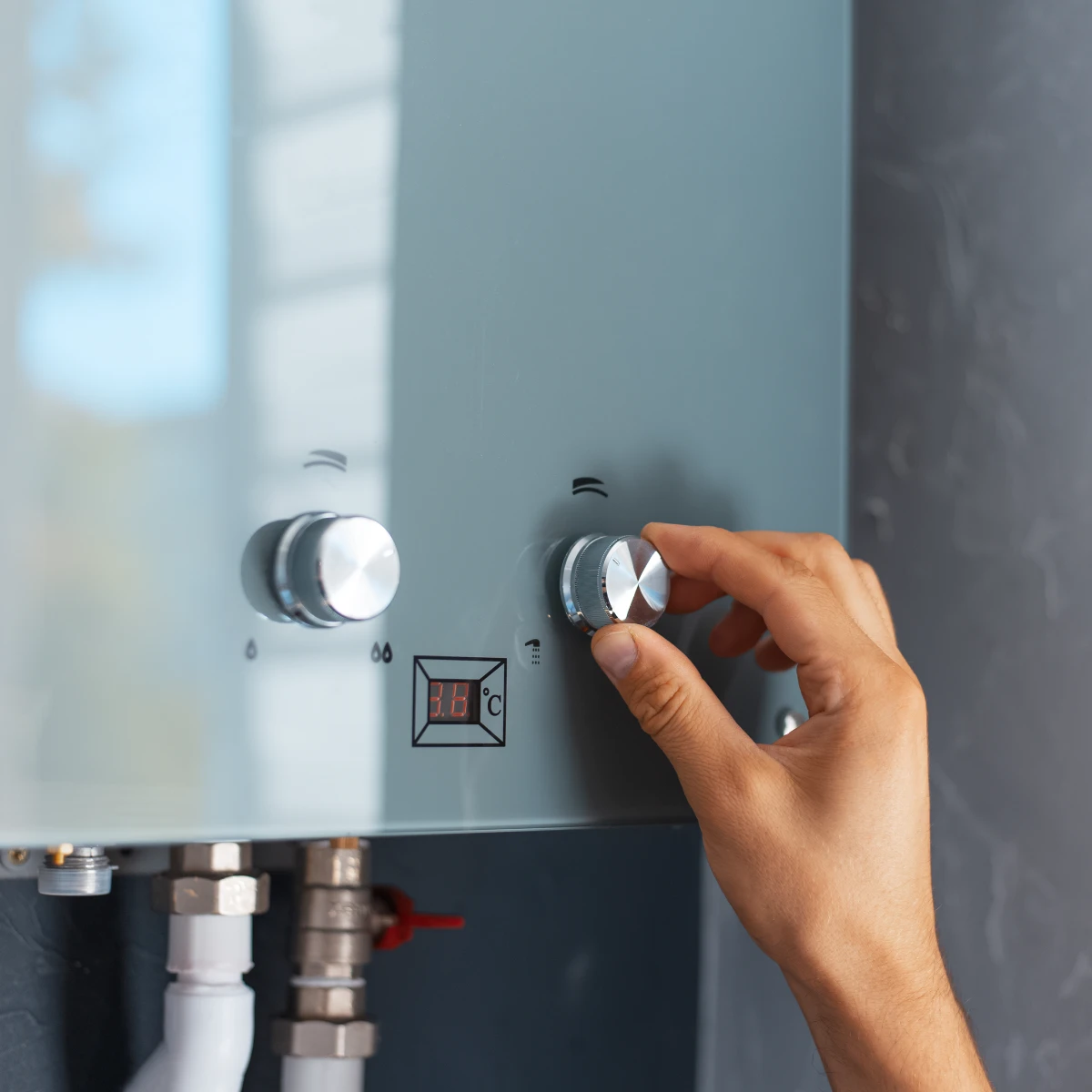
A new combi boiler can provide heating and hot water from one compact appliance, but homeowners are often surprised by the number of settings available once the installation is complete. Two of the most commonly misunderstood are Preheat and Eco mode.
Both relate to how the boiler prepares for domestic hot-water demand. The difference is mainly about convenience versus the energy used to keep the appliance ready. Preheat can help reduce the initial response time, while Eco mode generally turns preheating off so the boiler only responds when hot water is requested.
Neither option is automatically right for every household. Understanding what happens behind the scenes makes it easier to choose a setting based on your actual routine rather than simply selecting whichever option sounds more economical.
What is Preheat mode on a combi boiler?
Preheat is designed to keep parts of the boiler ready for a hot-water demand. When a tap is opened, the appliance can therefore respond without first having to warm the relevant components from a cooler state.
The result can be a quicker hot-water response.
It is important to understand that Preheat does not mean a combi boiler has a tank of hot water waiting for you. A combi boiler normally heats mains water as it passes through the appliance. Preheat is about preparing the appliance for that demand.
The actual waiting time at a tap can still depend on the distance between the boiler and the outlet, the pipework arrangement, flow rate and incoming water temperature.
What happens when Preheat is enabled?
In simple terms:
- The boiler maintains readiness for hot-water demand.
- You open a hot tap.
- The boiler can respond quickly.
- Heated water begins travelling through the pipework.
- Hot water reaches the tap after the existing water in the pipe has moved through.
This means Preheat can reduce one part of the waiting period, but it cannot remove delays caused by the plumbing itself.
How does Eco mode work?
Eco mode generally disables the hot-water preheat function. Instead of keeping the appliance ready throughout the day, the boiler waits for a hot-water demand before responding.
This can reduce the energy associated with maintaining preheat readiness.
The trade-off is that the boiler may take slightly longer to provide hot water when a tap is opened. The exact behaviour varies between boiler manufacturers and models, so the appliance’s own instructions should always be followed.
Eco mode should not be confused with turning hot water off.
When a hot tap is opened, the boiler can still heat the water. The difference is how the appliance prepares for that demand.
Which setting gives hot water faster?
Preheat will generally provide a quicker boiler response than Eco mode, because the appliance has already been prepared for hot-water demand.
However, this does not mean the tap will always produce hot water immediately.
For example, imagine the boiler is installed downstairs and the main bathroom is upstairs at the other side of the property. Even if the boiler responds immediately, water already sitting in the pipework still needs to move before the newly heated water arrives.
This is why homeowners sometimes change from Eco to Preheat and notice an improvement, but not a complete elimination of the delay.
| Factor | Effect on hot-water waiting time |
|---|---|
| Preheat enabled | Can reduce the boiler’s initial response time |
| Eco mode | May add some boiler response time |
| Long pipe run | Can increase the time before hot water reaches the outlet |
| Low flow | Can affect how quickly heated water reaches the tap |
| Cold mains water | Can affect the heating process |
| Boiler fault | May cause abnormal or significantly increased waiting times |
A qualified installer can help distinguish normal waiting time from a problem that needs investigation.
Is Eco mode better for energy efficiency?
Eco mode can reduce energy used for preheating, but it would be misleading to say that it will automatically produce a particular saving on every household’s energy bill.
The potential difference depends on how the boiler operates, how frequently hot water is used and how long the appliance would otherwise spend maintaining preheat readiness.
For a household that regularly opens hot taps throughout the day, the convenience of Preheat may be more noticeable.
For a household with relatively low hot-water demand, Eco mode may make more sense if occupants are comfortable waiting slightly longer.
The wider heating system also matters. Boiler efficiency, heating controls, flow temperature, insulation and household behaviour all influence energy use.
Which setting is more suitable for a busy household?
There is no universal answer, but household routines provide a useful starting point.
A busy family may have several people showering, washing up and using hot water around similar times. A quicker boiler response can be convenient during these periods.
A smaller household may have fewer hot-water demands spread throughout the day. In that situation, accepting a short delay could make Eco mode a reasonable choice.
Consider:
- How many people regularly use hot water?
- Are several showers used close together?
- Is hot water needed early in the morning?
- Are occupants often away during the day?
- Is convenience more important than reducing preheat operation?
- How far are the main taps from the boiler?
The answer can change as household routines change. There is no requirement to leave one setting permanently selected if the boiler allows you to adjust it safely.
Does the boiler’s location matter?
Yes. The distance between the boiler and a hot-water outlet can have a noticeable effect on waiting time.
Suppose a combi boiler is positioned close to the kitchen sink. The kitchen tap may receive hot water relatively quickly because the pipe run is short.
A bathroom at the opposite end of the property may behave differently. Even with Preheat enabled, the heated water still has to travel through the pipework.
This is particularly relevant when planning a new combi boiler Deeside. Replacing the boiler does not necessarily mean the existing pipework arrangement will change.
During an installation assessment, it can therefore be useful to discuss where hot water is currently slow to arrive rather than assuming the boiler itself is responsible.
If you are considering a replacement and want to understand how the proposed appliance will perform in your home, contact CafGas CIC. Our team can discuss the boiler specification, controls and practical hot-water requirements before work begins.
Can Preheat eliminate hot-water waiting time?
No.
Preheat can reduce the time associated with the boiler becoming ready, but it cannot make water travel through the plumbing instantaneously.
There are normally two parts to the experience:
Boiler response: The time taken for the appliance to react and begin producing hot water.
Pipework delivery: The time needed for the heated water to travel from the boiler to the tap.
Preheat mainly addresses the first part.
This distinction is useful because it prevents homeowners from assuming that a long wait automatically means the boiler needs repairing or replacing.
If the delay has always existed and is consistent, pipework may be part of the explanation. If hot-water performance has suddenly changed, however, further investigation may be appropriate.
What should you expect from a combi boiler installation?
A professional combi boiler installation Deeside should involve more than physically mounting the appliance and connecting the pipework.
The installer should consider whether the chosen boiler is appropriate for the property’s heating and hot-water requirements, then commission the appliance according to the manufacturer’s instructions.
Homeowners should also understand the basic controls before the installation is considered complete.
Useful information includes:
- How to select heating and hot-water functions.
- How to identify normal boiler operation.
- How Preheat and Eco mode work.
- How to adjust relevant temperatures.
- How the programmer or thermostat works.
- What the boiler’s display symbols mean.
- Which warning signs should prompt professional assistance.
- Where to find the manufacturer’s operating instructions.
The exact controls vary between models, so the installer should explain the equipment actually fitted rather than providing generic instructions.
Can you switch between Preheat and Eco mode?
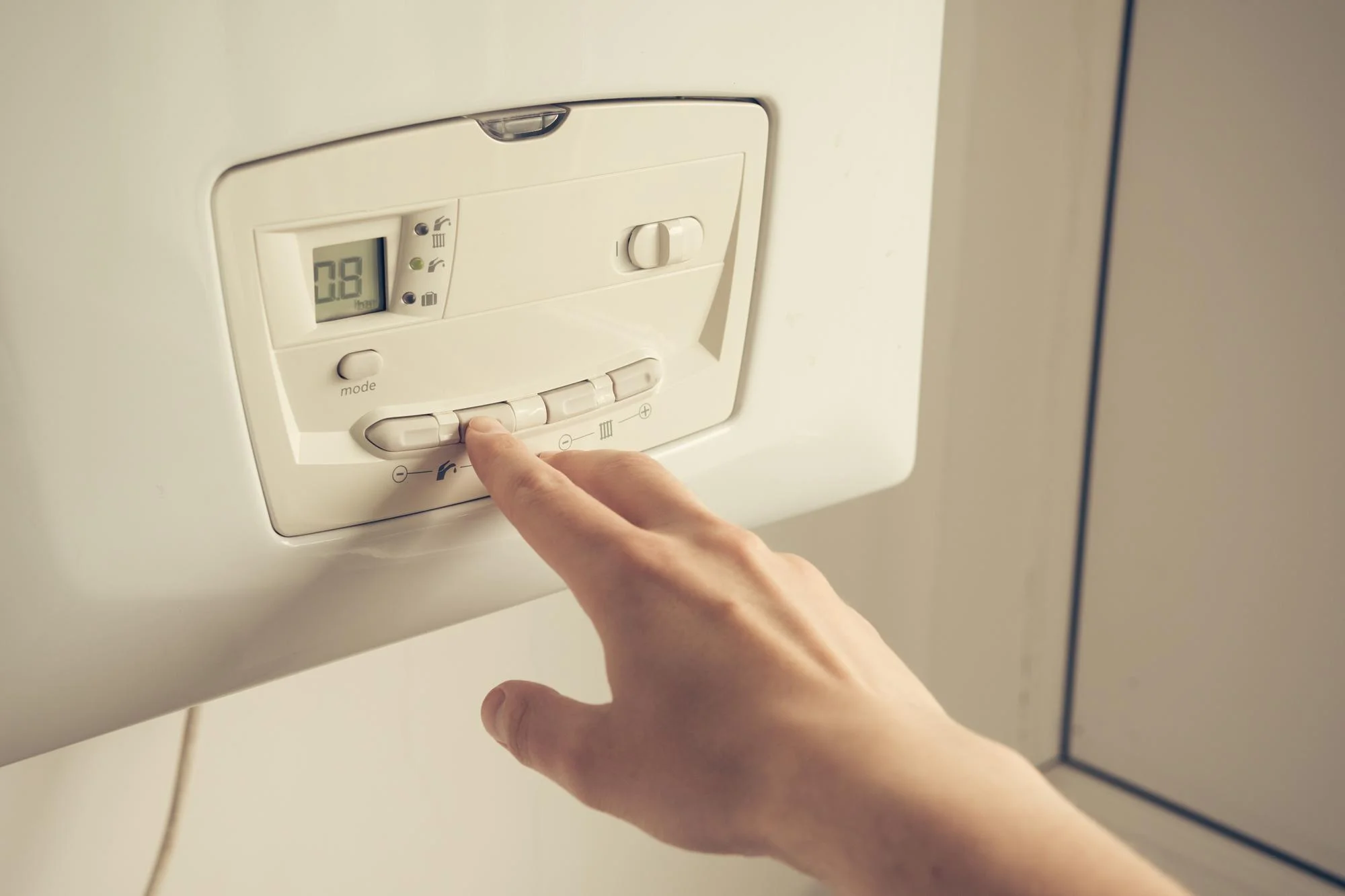
On boilers that provide both options, homeowners can generally select the setting that suits their preferences, following the manufacturer’s instructions.
Some appliances may use different terminology or provide additional scheduling functions. Others may have controls built into a digital display, thermostat or manufacturer’s control system.
This is one reason it is worth understanding the specific boiler rather than assuming that every combi appliance works identically.
If the instructions are unclear, ask the installer to demonstrate the relevant setting.
When could a slow response indicate a problem?
A little waiting time is not automatically a sign of a boiler fault.
However, a sudden change in performance deserves attention, particularly if the boiler previously provided hot water normally.
Potential warning signs include:
- Hot water suddenly taking much longer to arrive.
- Water repeatedly changing from hot to cold.
- The boiler failing to respond when a hot tap is opened.
- Unusual noises during hot-water operation.
- A fault code appearing.
- Hot water becoming unreliable across several outlets.
Changing from Eco to Preheat may help if the issue is simply related to the selected setting. It should not be used as a substitute for professional diagnosis when there are signs of a fault.
If your hot-water performance has changed unexpectedly, speak to CafGas CIC rather than repeatedly changing settings without identifying the cause. A qualified engineer can assess whether the problem relates to controls, the boiler or the wider plumbing system.
Does a new combi boiler always have Preheat and Eco?
No. Features vary between manufacturers and individual models.
Some boilers provide clearly labelled Preheat and Eco options. Others use different terms or integrate hot-water management into their wider control system.
When comparing a new combi boiler Deeside, ask specifically how the proposed model handles hot-water readiness rather than assuming it will have the same controls as your current appliance.
It is also worth checking whether the controls included in the quotation allow you to use the boiler’s available functions effectively.
A typical homeowner scenario
Consider a two-storey home where the existing combi boiler is ageing and hot water has become less predictable. The homeowner initially assumes that replacing the appliance will guarantee instant hot water at every tap.
During the assessment, it becomes clear that the boiler is positioned several metres from the main bathroom. The new appliance will offer a Preheat function, but the installer explains that the pipework will still determine part of the waiting time.
The homeowner can therefore make a more realistic decision. Preheat may improve the boiler’s response, but it will not change the physical route that water has to travel.
This type of conversation is valuable because expectations are set before installation rather than after the work is complete.
If you are planning a combi boiler installation Deeside, CafGas CIC can explain how the proposed system and controls are expected to work in everyday use. Contact our team for tailored advice and a clear specification.
Which setting should you choose?
The practical choice comes down to your household’s priorities.
Choose Preheat if:
- You prefer faster hot-water response.
- Your household uses hot water frequently.
- Several people need hot water around the same time.
- A short delay at the tap is frustrating.
Consider Eco mode if:
- Hot-water demand is relatively low.
- You are happy to wait slightly longer.
- Reducing preheat operation is important to you.
- The household is often away from home.
Neither setting changes the fundamental way a combi boiler supplies hot water. They simply change how the appliance prepares to respond.
Related articles
Which fuel powers your boiler?
At a glance
Introduction
A new combi boiler can provide heating and hot water from one compact appliance, but homeowners are often surprised by the number of settings available once the installation is complete. Two of the most commonly misunderstood are Preheat and Eco mode.
Both relate to how the boiler prepares for domestic hot-water demand. The difference is mainly about convenience versus the energy used to keep the appliance ready. Preheat can help reduce the initial response time, while Eco mode generally turns preheating off so the boiler only responds when hot water is requested.
Neither option is automatically right for every household. Understanding what happens behind the scenes makes it easier to choose a setting based on your actual routine rather than simply selecting whichever option sounds more economical.
What is Preheat mode on a combi boiler?
Preheat is designed to keep parts of the boiler ready for a hot-water demand. When a tap is opened, the appliance can therefore respond without first having to warm the relevant components from a cooler state.
The result can be a quicker hot-water response.
It is important to understand that Preheat does not mean a combi boiler has a tank of hot water waiting for you. A combi boiler normally heats mains water as it passes through the appliance. Preheat is about preparing the appliance for that demand.
The actual waiting time at a tap can still depend on the distance between the boiler and the outlet, the pipework arrangement, flow rate and incoming water temperature.
What happens when Preheat is enabled?
In simple terms:
- The boiler maintains readiness for hot-water demand.
- You open a hot tap.
- The boiler can respond quickly.
- Heated water begins travelling through the pipework.
- Hot water reaches the tap after the existing water in the pipe has moved through.
This means Preheat can reduce one part of the waiting period, but it cannot remove delays caused by the plumbing itself.
How does Eco mode work?
Eco mode generally disables the hot-water preheat function. Instead of keeping the appliance ready throughout the day, the boiler waits for a hot-water demand before responding.
This can reduce the energy associated with maintaining preheat readiness.
The trade-off is that the boiler may take slightly longer to provide hot water when a tap is opened. The exact behaviour varies between boiler manufacturers and models, so the appliance’s own instructions should always be followed.
Eco mode should not be confused with turning hot water off.
When a hot tap is opened, the boiler can still heat the water. The difference is how the appliance prepares for that demand.
Which setting gives hot water faster?
Preheat will generally provide a quicker boiler response than Eco mode, because the appliance has already been prepared for hot-water demand.
However, this does not mean the tap will always produce hot water immediately.
For example, imagine the boiler is installed downstairs and the main bathroom is upstairs at the other side of the property. Even if the boiler responds immediately, water already sitting in the pipework still needs to move before the newly heated water arrives.
This is why homeowners sometimes change from Eco to Preheat and notice an improvement, but not a complete elimination of the delay.
| Factor | Effect on hot-water waiting time |
|---|---|
| Preheat enabled | Can reduce the boiler’s initial response time |
| Eco mode | May add some boiler response time |
| Long pipe run | Can increase the time before hot water reaches the outlet |
| Low flow | Can affect how quickly heated water reaches the tap |
| Cold mains water | Can affect the heating process |
| Boiler fault | May cause abnormal or significantly increased waiting times |
A qualified installer can help distinguish normal waiting time from a problem that needs investigation.
Is Eco mode better for energy efficiency?
Eco mode can reduce energy used for preheating, but it would be misleading to say that it will automatically produce a particular saving on every household’s energy bill.
The potential difference depends on how the boiler operates, how frequently hot water is used and how long the appliance would otherwise spend maintaining preheat readiness.
For a household that regularly opens hot taps throughout the day, the convenience of Preheat may be more noticeable.
For a household with relatively low hot-water demand, Eco mode may make more sense if occupants are comfortable waiting slightly longer.
The wider heating system also matters. Boiler efficiency, heating controls, flow temperature, insulation and household behaviour all influence energy use.
Which setting is more suitable for a busy household?
There is no universal answer, but household routines provide a useful starting point.
A busy family may have several people showering, washing up and using hot water around similar times. A quicker boiler response can be convenient during these periods.
A smaller household may have fewer hot-water demands spread throughout the day. In that situation, accepting a short delay could make Eco mode a reasonable choice.
Consider:
- How many people regularly use hot water?
- Are several showers used close together?
- Is hot water needed early in the morning?
- Are occupants often away during the day?
- Is convenience more important than reducing preheat operation?
- How far are the main taps from the boiler?
The answer can change as household routines change. There is no requirement to leave one setting permanently selected if the boiler allows you to adjust it safely.
Does the boiler’s location matter?
Yes. The distance between the boiler and a hot-water outlet can have a noticeable effect on waiting time.
Suppose a combi boiler is positioned close to the kitchen sink. The kitchen tap may receive hot water relatively quickly because the pipe run is short.
A bathroom at the opposite end of the property may behave differently. Even with Preheat enabled, the heated water still has to travel through the pipework.
This is particularly relevant when planning a new combi boiler Deeside. Replacing the boiler does not necessarily mean the existing pipework arrangement will change.
During an installation assessment, it can therefore be useful to discuss where hot water is currently slow to arrive rather than assuming the boiler itself is responsible.
If you are considering a replacement and want to understand how the proposed appliance will perform in your home, contact CafGas CIC. Our team can discuss the boiler specification, controls and practical hot-water requirements before work begins.
Can Preheat eliminate hot-water waiting time?
No.
Preheat can reduce the time associated with the boiler becoming ready, but it cannot make water travel through the plumbing instantaneously.
There are normally two parts to the experience:
Boiler response: The time taken for the appliance to react and begin producing hot water.
Pipework delivery: The time needed for the heated water to travel from the boiler to the tap.
Preheat mainly addresses the first part.
This distinction is useful because it prevents homeowners from assuming that a long wait automatically means the boiler needs repairing or replacing.
If the delay has always existed and is consistent, pipework may be part of the explanation. If hot-water performance has suddenly changed, however, further investigation may be appropriate.
What should you expect from a combi boiler installation?
A professional combi boiler installation Deeside should involve more than physically mounting the appliance and connecting the pipework.
The installer should consider whether the chosen boiler is appropriate for the property’s heating and hot-water requirements, then commission the appliance according to the manufacturer’s instructions.
Homeowners should also understand the basic controls before the installation is considered complete.
Useful information includes:
- How to select heating and hot-water functions.
- How to identify normal boiler operation.
- How Preheat and Eco mode work.
- How to adjust relevant temperatures.
- How the programmer or thermostat works.
- What the boiler’s display symbols mean.
- Which warning signs should prompt professional assistance.
- Where to find the manufacturer’s operating instructions.
The exact controls vary between models, so the installer should explain the equipment actually fitted rather than providing generic instructions.
Can you switch between Preheat and Eco mode?
On boilers that provide both options, homeowners can generally select the setting that suits their preferences, following the manufacturer’s instructions.
Some appliances may use different terminology or provide additional scheduling functions. Others may have controls built into a digital display, thermostat or manufacturer’s control system.
This is one reason it is worth understanding the specific boiler rather than assuming that every combi appliance works identically.
If the instructions are unclear, ask the installer to demonstrate the relevant setting.
When could a slow response indicate a problem?
A little waiting time is not automatically a sign of a boiler fault.
However, a sudden change in performance deserves attention, particularly if the boiler previously provided hot water normally.
Potential warning signs include:
- Hot water suddenly taking much longer to arrive.
- Water repeatedly changing from hot to cold.
- The boiler failing to respond when a hot tap is opened.
- Unusual noises during hot-water operation.
- A fault code appearing.
- Hot water becoming unreliable across several outlets.
Changing from Eco to Preheat may help if the issue is simply related to the selected setting. It should not be used as a substitute for professional diagnosis when there are signs of a fault.
If your hot-water performance has changed unexpectedly, speak to CafGas CIC rather than repeatedly changing settings without identifying the cause. A qualified engineer can assess whether the problem relates to controls, the boiler or the wider plumbing system.
Does a new combi boiler always have Preheat and Eco?
No. Features vary between manufacturers and individual models.
Some boilers provide clearly labelled Preheat and Eco options. Others use different terms or integrate hot-water management into their wider control system.
When comparing a new combi boiler Deeside, ask specifically how the proposed model handles hot-water readiness rather than assuming it will have the same controls as your current appliance.
It is also worth checking whether the controls included in the quotation allow you to use the boiler’s available functions effectively.
A typical homeowner scenario
Consider a two-storey home where the existing combi boiler is ageing and hot water has become less predictable. The homeowner initially assumes that replacing the appliance will guarantee instant hot water at every tap.
During the assessment, it becomes clear that the boiler is positioned several metres from the main bathroom. The new appliance will offer a Preheat function, but the installer explains that the pipework will still determine part of the waiting time.
The homeowner can therefore make a more realistic decision. Preheat may improve the boiler’s response, but it will not change the physical route that water has to travel.
This type of conversation is valuable because expectations are set before installation rather than after the work is complete.
If you are planning a combi boiler installation Deeside, CafGas CIC can explain how the proposed system and controls are expected to work in everyday use. Contact our team for tailored advice and a clear specification.
Which setting should you choose?
The practical choice comes down to your household’s priorities.
Choose Preheat if:
- You prefer faster hot-water response.
- Your household uses hot water frequently.
- Several people need hot water around the same time.
- A short delay at the tap is frustrating.
Consider Eco mode if:
- Hot-water demand is relatively low.
- You are happy to wait slightly longer.
- Reducing preheat operation is important to you.
- The household is often away from home.
Neither setting changes the fundamental way a combi boiler supplies hot water. They simply change how the appliance prepares to respond.


