 Up to 12 year labour warranty


Gas Boiler Installation in Deeside: What Homeowners Should Know Before Booking
Booking a new gas boiler is a big decision. It affects your heating, hot water, comfort, energy use and household budget for years to come. The boiler itself matters, but the way it is assessed, specified and installed matters just as much.

Why you can trust our content
At CafGas CIC, we know choosing a new boiler can feel overwhelming, especially with so much conflicting advice online. That’s why we focus on clear guidance, honest recommendations, and trusted expertise to help homeowners make informed decisions about their heating systems.

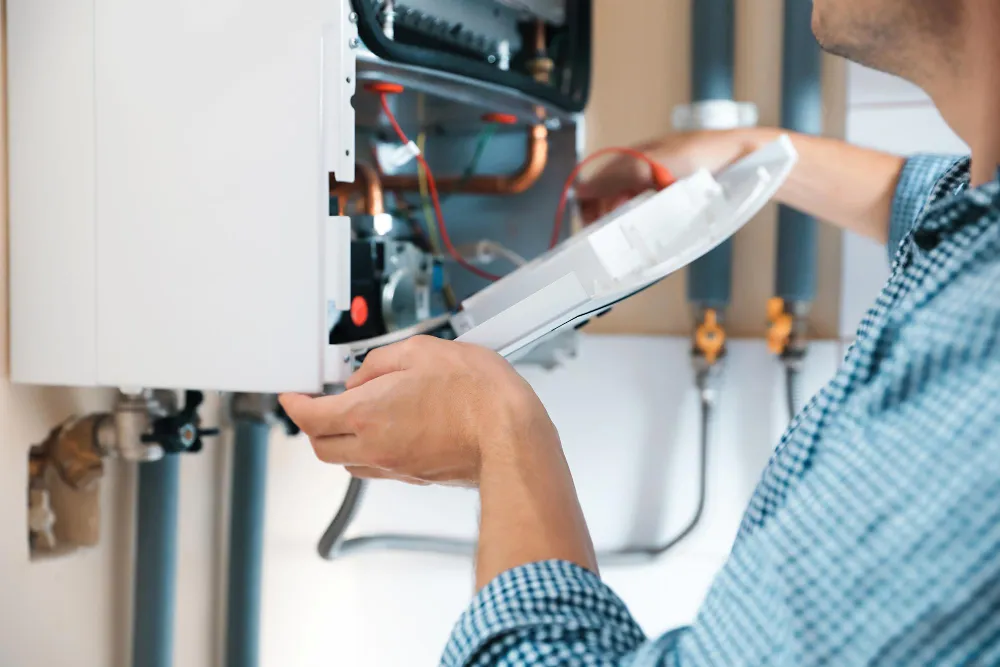
If you are considering gas boiler installation in Deeside, it is worth understanding what should happen before you book. A good installer should not simply offer a quick price and a fitting date. They should check whether the boiler is suitable for your home, explain the installation process and make sure you understand what is included in the quote.
This guide explains the key checks homeowners should make before booking a gas boiler installation, including safety, system suitability, pricing and aftercare.
What does gas boiler installation involve?
Gas boiler installation involves removing or replacing an existing boiler and fitting a new appliance safely into your heating system. Depending on your home, it may also involve pipework changes, flue work, controls, system cleaning and warranty registration.
A typical installation may include:
- Assessing the current boiler and heating system
- Recommending a suitable boiler
- Checking gas supply and pipework
- Reviewing flue position
- Removing the old boiler
- Installing the new boiler
- Connecting heating and hot water pipework
- Connecting the condensate pipe
- Fitting or upgrading controls
- Cleaning or protecting the system
- Testing and commissioning the boiler
- Explaining how to use the system
- Registering the warranty
The exact process depends on the property. A straightforward boiler swap is usually simpler than moving the boiler or changing from one boiler type to another.
Why is Gas Safe registration essential?
Any gas boiler work in the UK must be carried out by a Gas Safe-registered engineer. This is a legal requirement and protects your home from unsafe gas work, poor combustion, gas leaks and carbon monoxide risks.
Before booking, you should feel comfortable asking who will complete the work and whether they are qualified for the type of installation required. A professional installer should have no issue confirming this.
| Safety point | Why it matters |
| Gas Safe registration | Confirms the engineer is legally qualified for gas work |
| Flue checks | Ensures gases are discharged safely |
| Gas pressure checks | Confirms the boiler receives the correct supply |
| Combustion testing | Checks the boiler is burning correctly |
| Condensate pipework | Ensures waste water is safely discharged |
| Commissioning | Confirms the boiler has been set up correctly |
| Handover | Helps you understand safe use and maintenance |
Safety should never be treated as an optional part of the quote. It should be built into the full installation process.
Is your home suitable for the boiler being recommended?
A boiler should be chosen for your home, not simply because it is popular or available quickly. The right boiler depends on heating demand, hot water demand, property layout and the condition of the existing system.
Before recommending gas boiler installation in Deeside, an installer should consider:
- Property size
- Number of radiators
- Number of bathrooms
- Hot water usage
- Water pressure and flow rate
- Current boiler type
- Current boiler location
- Existing pipework
- Flue route
- Controls and thermostat
- Whether the property has been extended
- Whether future renovations are planned
This matters because an unsuitable boiler can lead to poor hot water performance, inefficient heating or avoidable issues after installation.
Which type of gas boiler is best?
There is no single best boiler for every home. The right option depends on how your household uses heating and hot water.
The three main boiler types are:
- Combi boiler – Provides heating and hot water from one compact unit, often suitable for smaller and medium-sized homes with moderate hot water demand.
- System boiler – Works with a hot water cylinder, often useful for homes with higher hot water usage.
- Regular boiler – Usually found in older systems with tanks and a cylinder, often replaced or upgraded during modernisation work.
A good installer should explain why they recommend a particular type. If you have multiple bathrooms or a high hot water demand, a combi boiler may not always be the best choice. If space is limited, a combo may be more practical.
Which fuel powers your boiler?
It just takes 2 minutes
And then you can book a free consultation
What affects the cost of a new gas boiler installation?
The cost of a new gas boiler installation can vary because the boiler is only one part of the job. Labour, materials, system condition and installation complexity all affect the final quote.
Common price factors include:
- Boiler make and model
- Boiler warranty length
- Boiler type
- Whether the boiler stays in the same location
- Whether pipework needs upgrading
- Flue requirements
- Gas supply pipe size
- Condensate pipe route
- Heating controls
- Magnetic filter
- System cleaning or flushing
- The hot water cylinder works
- Access for engineers
- Removal of the old boiler
- Certification and registration
A simple replacement may cost less than a full conversion or relocation. This is why it is important to compare what is included, not just the final price.
Should you choose the cheapest boiler quote?
Not automatically. A cheap quote may be suitable if the job is genuinely straightforward and everything required is included. However, a very low price can sometimes mean important parts of the installation have been left out.
Before accepting a quote, check whether it includes:
- The exact boiler make and model
- Warranty registration
- Labour
- Controls
- Flue parts
- System filter
- System cleaning if needed
- Pipework alterations
- Waste removal
- Commissioning
- Aftercare support
A quote that looks slightly higher may offer better long-term value if it includes proper system protection, a longer warranty or clearer aftercare.
Why does system cleaning matter?
A new boiler should not be fitted onto a dirty heating system without proper checks. Sludge, debris and poor water quality can affect circulation, reduce performance and increase the risk of future problems.
Your installer may recommend:
- Chemical cleaning
- Power flushing where needed
- Magnetic filter installation
- Inhibitor treatment
- Radiator balancing
- Water quality checks
Not every system needs the same level of cleaning, but it should be discussed before installation. If one quote includes system protection and another does not, they are not the same quote.
How should the installer explain the quote?
A professional quote should be clear enough for a homeowner to understand without technical knowledge. You should know what you are paying for and what may count as an extra.
A clear quote should include:
- Boiler model
- Installation type
- Warranty length
- Controls included
- Any filters or system protection
- Any pipework changes
- Flue details
- Whether the old boiler is removed
- Timescale
- Payment options
- Any exclusions
- What aftercare is available
If the quote is vague, ask for clarification. A good company should explain the details calmly and clearly.
What should happen on installation day?
On installation day, the engineer should protect the working area, remove the old boiler where required and install the new boiler according to the agreed scope. Water, heating and gas supplies may need to be turned off during parts of the job.
Once the boiler is fitted, the engineer should test the system and complete commissioning checks. This confirms the boiler is working safely and efficiently.
A proper handover should include:
- How to use the boiler
- How to use the thermostat
- What pressure range is normal
- What to do if an error code appears
- When the boiler should be serviced
- Warranty information
- Any care plan options
- Who to contact for support
This handover is important. You should not be left unsure about how the system works.
Example scenario: preparing for a boiler upgrade in Deeside
A Deeside homeowner has an older gas boiler that still works but has become unreliable. The radiators take longer to heat, the boiler needs resetting and the household now uses more hot water than when the boiler was first fitted.
Rather than booking the cheapest replacement straight away, the homeowner asks for a proper assessment. The installer checks hot water usage, radiator count, water pressure, current pipework and the boiler location.
The final recommendation is based on the home’s actual needs, not just a quick swap. The homeowner receives a clear quote and understands the cost of new gas boiler installation before agreeing to the work.
How can aftercare protect your investment?
A new boiler should be serviced annually to help maintain safety, performance and warranty requirements. Aftercare also gives you support if you have questions about controls, pressure or performance after installation.
Aftercare may include:
- Annual servicing
- Boiler repairs
- Heating care plans
- Warranty advice
- Pressure checks
- Controls guidance
- System performance checks
- Future replacement advice
Choosing an installer that can support you after installation can make the decision feel more secure.
What should you ask before booking?
Before booking a gas boiler installation in Deeside, ask practical questions that help you compare installers properly.
Useful questions include:
- Are your engineers Gas Safe registered?
- What boiler do you recommend and why?
- Is this boiler suitable for my household?
- What is included in the quote?
- What affects the final price?
- Is system cleaning required?
- What warranty is included?
- Are controls included?
- How long will installation take?
- What aftercare do you provide?
Clear answers are a good sign. If an installer cannot explain the recommendation properly, it may be worth pausing before booking.
Final thoughts
Gas boiler installation is about more than choosing a new appliance. It requires proper safety checks, careful boiler selection, clear pricing and reliable aftercare. The right installer should help you understand each stage before you commit.
CafGas CIC can support homeowners with practical advice, professional installation and ongoing heating care. If you are considering gas boiler installation in Deeside, contact our team for a clear quote and tailored guidance.
Related articles
Which fuel powers your boiler?
At a glance
If you are considering gas boiler installation in Deeside, it is worth understanding what should happen before you book. A good installer should not simply offer a quick price and a fitting date. They should check whether the boiler is suitable for your home, explain the installation process and make sure you understand what is included in the quote.
This guide explains the key checks homeowners should make before booking a gas boiler installation, including safety, system suitability, pricing and aftercare.
What does gas boiler installation involve?
Gas boiler installation involves removing or replacing an existing boiler and fitting a new appliance safely into your heating system. Depending on your home, it may also involve pipework changes, flue work, controls, system cleaning and warranty registration.
A typical installation may include:
- Assessing the current boiler and heating system
- Recommending a suitable boiler
- Checking gas supply and pipework
- Reviewing flue position
- Removing the old boiler
- Installing the new boiler
- Connecting heating and hot water pipework
- Connecting the condensate pipe
- Fitting or upgrading controls
- Cleaning or protecting the system
- Testing and commissioning the boiler
- Explaining how to use the system
- Registering the warranty
The exact process depends on the property. A straightforward boiler swap is usually simpler than moving the boiler or changing from one boiler type to another.
Why is Gas Safe registration essential?
Any gas boiler work in the UK must be carried out by a Gas Safe-registered engineer. This is a legal requirement and protects your home from unsafe gas work, poor combustion, gas leaks and carbon monoxide risks.
Before booking, you should feel comfortable asking who will complete the work and whether they are qualified for the type of installation required. A professional installer should have no issue confirming this.
| Safety point | Why it matters |
| Gas Safe registration | Confirms the engineer is legally qualified for gas work |
| Flue checks | Ensures gases are discharged safely |
| Gas pressure checks | Confirms the boiler receives the correct supply |
| Combustion testing | Checks the boiler is burning correctly |
| Condensate pipework | Ensures waste water is safely discharged |
| Commissioning | Confirms the boiler has been set up correctly |
| Handover | Helps you understand safe use and maintenance |
Safety should never be treated as an optional part of the quote. It should be built into the full installation process.
Is your home suitable for the boiler being recommended?
A boiler should be chosen for your home, not simply because it is popular or available quickly. The right boiler depends on heating demand, hot water demand, property layout and the condition of the existing system.
Before recommending gas boiler installation in Deeside, an installer should consider:
- Property size
- Number of radiators
- Number of bathrooms
- Hot water usage
- Water pressure and flow rate
- Current boiler type
- Current boiler location
- Existing pipework
- Flue route
- Controls and thermostat
- Whether the property has been extended
- Whether future renovations are planned
This matters because an unsuitable boiler can lead to poor hot water performance, inefficient heating or avoidable issues after installation.
Which type of gas boiler is best?
There is no single best boiler for every home. The right option depends on how your household uses heating and hot water.
The three main boiler types are:
- Combi boiler – Provides heating and hot water from one compact unit, often suitable for smaller and medium-sized homes with moderate hot water demand.
- System boiler – Works with a hot water cylinder, often useful for homes with higher hot water usage.
- Regular boiler – Usually found in older systems with tanks and a cylinder, often replaced or upgraded during modernisation work.
A good installer should explain why they recommend a particular type. If you have multiple bathrooms or a high hot water demand, a combi boiler may not always be the best choice. If space is limited, a combo may be more practical.
Which fuel powers your boiler?
It just takes 2 minutes
And then you can book a free consultation
What affects the cost of a new gas boiler installation?
The cost of a new gas boiler installation can vary because the boiler is only one part of the job. Labour, materials, system condition and installation complexity all affect the final quote.
Common price factors include:
- Boiler make and model
- Boiler warranty length
- Boiler type
- Whether the boiler stays in the same location
- Whether pipework needs upgrading
- Flue requirements
- Gas supply pipe size
- Condensate pipe route
- Heating controls
- Magnetic filter
- System cleaning or flushing
- The hot water cylinder works
- Access for engineers
- Removal of the old boiler
- Certification and registration
A simple replacement may cost less than a full conversion or relocation. This is why it is important to compare what is included, not just the final price.
Should you choose the cheapest boiler quote?
Not automatically. A cheap quote may be suitable if the job is genuinely straightforward and everything required is included. However, a very low price can sometimes mean important parts of the installation have been left out.
Before accepting a quote, check whether it includes:
- The exact boiler make and model
- Warranty registration
- Labour
- Controls
- Flue parts
- System filter
- System cleaning if needed
- Pipework alterations
- Waste removal
- Commissioning
- Aftercare support
A quote that looks slightly higher may offer better long-term value if it includes proper system protection, a longer warranty or clearer aftercare.
Why does system cleaning matter?
A new boiler should not be fitted onto a dirty heating system without proper checks. Sludge, debris and poor water quality can affect circulation, reduce performance and increase the risk of future problems.
Your installer may recommend:
- Chemical cleaning
- Power flushing where needed
- Magnetic filter installation
- Inhibitor treatment
- Radiator balancing
- Water quality checks
Not every system needs the same level of cleaning, but it should be discussed before installation. If one quote includes system protection and another does not, they are not the same quote.
How should the installer explain the quote?
A professional quote should be clear enough for a homeowner to understand without technical knowledge. You should know what you are paying for and what may count as an extra.
A clear quote should include:
- Boiler model
- Installation type
- Warranty length
- Controls included
- Any filters or system protection
- Any pipework changes
- Flue details
- Whether the old boiler is removed
- Timescale
- Payment options
- Any exclusions
- What aftercare is available
If the quote is vague, ask for clarification. A good company should explain the details calmly and clearly.
What should happen on installation day?
On installation day, the engineer should protect the working area, remove the old boiler where required and install the new boiler according to the agreed scope. Water, heating and gas supplies may need to be turned off during parts of the job.
Once the boiler is fitted, the engineer should test the system and complete commissioning checks. This confirms the boiler is working safely and efficiently.
A proper handover should include:
- How to use the boiler
- How to use the thermostat
- What pressure range is normal
- What to do if an error code appears
- When the boiler should be serviced
- Warranty information
- Any care plan options
- Who to contact for support
This handover is important. You should not be left unsure about how the system works.
Example scenario: preparing for a boiler upgrade in Deeside
A Deeside homeowner has an older gas boiler that still works but has become unreliable. The radiators take longer to heat, the boiler needs resetting and the household now uses more hot water than when the boiler was first fitted.
Rather than booking the cheapest replacement straight away, the homeowner asks for a proper assessment. The installer checks hot water usage, radiator count, water pressure, current pipework and the boiler location.
The final recommendation is based on the home’s actual needs, not just a quick swap. The homeowner receives a clear quote and understands the cost of new gas boiler installation before agreeing to the work.
How can aftercare protect your investment?
A new boiler should be serviced annually to help maintain safety, performance and warranty requirements. Aftercare also gives you support if you have questions about controls, pressure or performance after installation.
Aftercare may include:
- Annual servicing
- Boiler repairs
- Heating care plans
- Warranty advice
- Pressure checks
- Controls guidance
- System performance checks
- Future replacement advice
Choosing an installer that can support you after installation can make the decision feel more secure.
What should you ask before booking?
Before booking a gas boiler installation in Deeside, ask practical questions that help you compare installers properly.
Useful questions include:
- Are your engineers Gas Safe registered?
- What boiler do you recommend and why?
- Is this boiler suitable for my household?
- What is included in the quote?
- What affects the final price?
- Is system cleaning required?
- What warranty is included?
- Are controls included?
- How long will installation take?
- What aftercare do you provide?
Clear answers are a good sign. If an installer cannot explain the recommendation properly, it may be worth pausing before booking.
Final thoughts
Gas boiler installation is about more than choosing a new appliance. It requires proper safety checks, careful boiler selection, clear pricing and reliable aftercare. The right installer should help you understand each stage before you commit.
CafGas CIC can support homeowners with practical advice, professional installation and ongoing heating care. If you are considering gas boiler installation in Deeside, contact our team for a clear quote and tailored guidance.


