 Up to 12 year labour warranty


Boiler Installation Deeside: What Do Hot-Water Preheat and Eco Settings Actually Do?
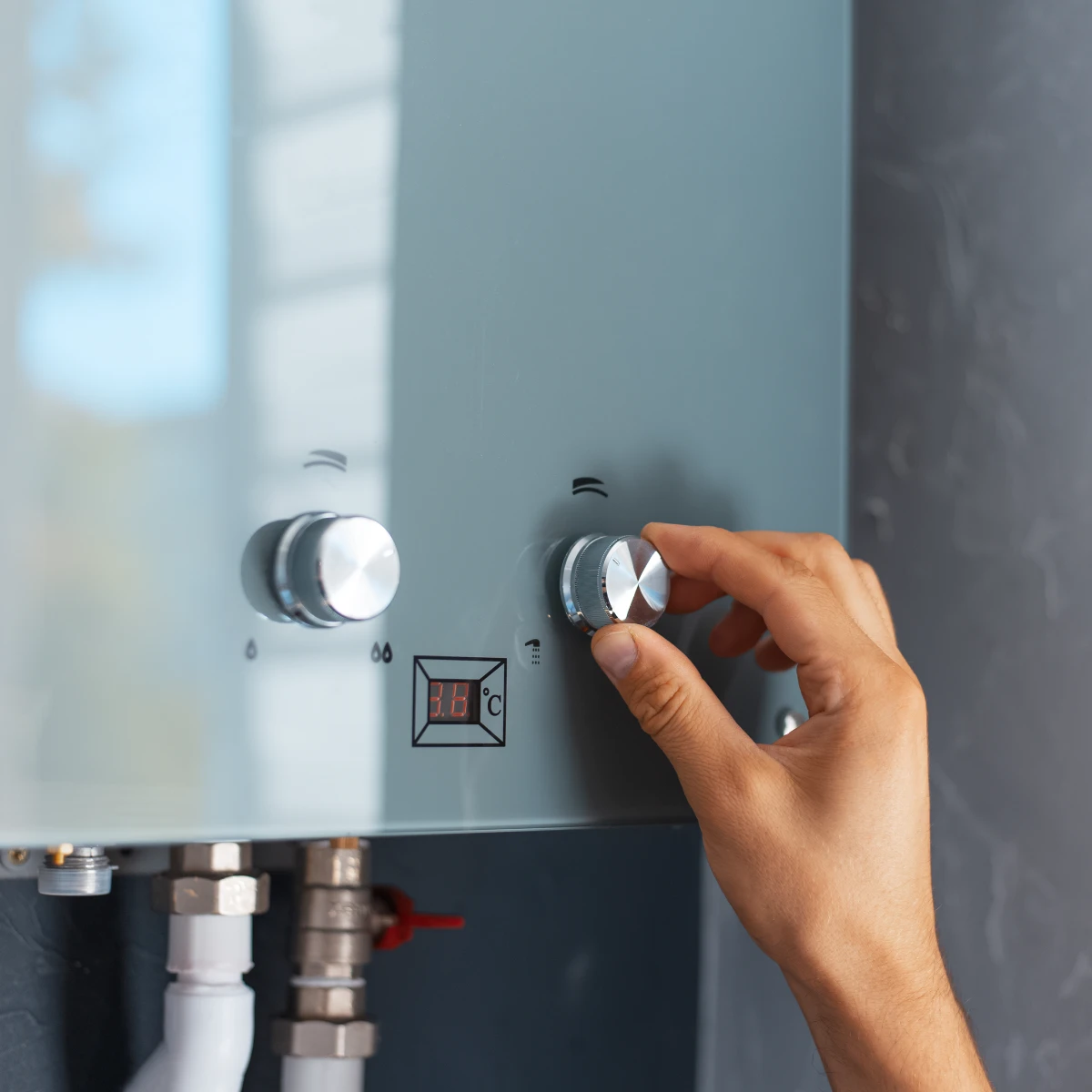
If you have a combi boiler, you may have noticed an Eco button or a hot-water setting labelled Preheat. These controls can seem minor, but they affect something homeowners notice every day: how quickly hot water reaches the tap.

Why you can trust our content
At CafGas CIC, we know choosing a new boiler can feel overwhelming, especially with so much conflicting advice online. That’s why we focus on clear guidance, honest recommendations, and trusted expertise to help homeowners make informed decisions about their heating systems.
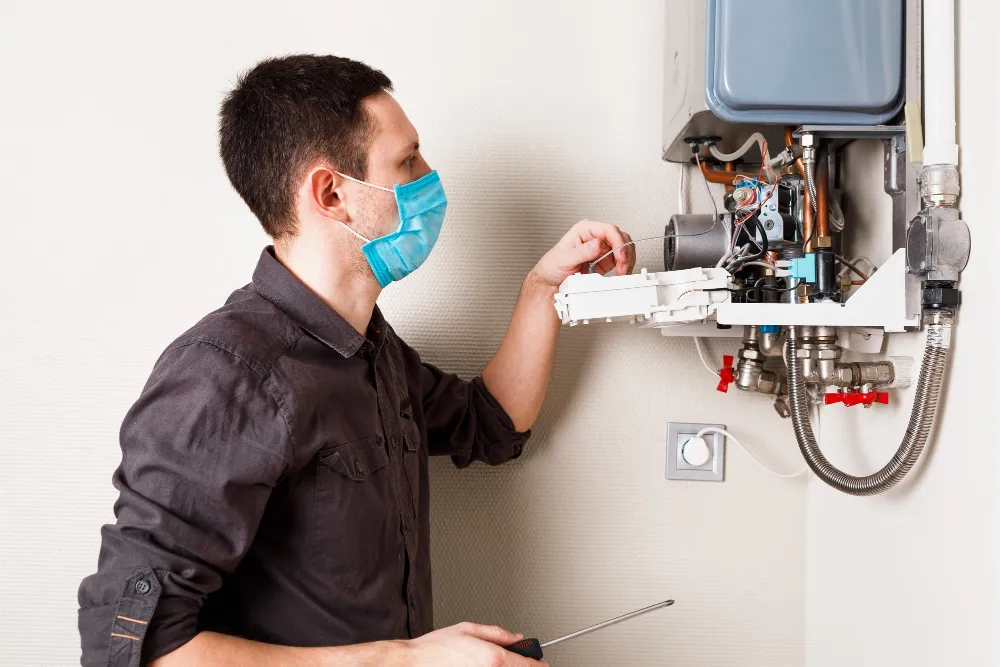
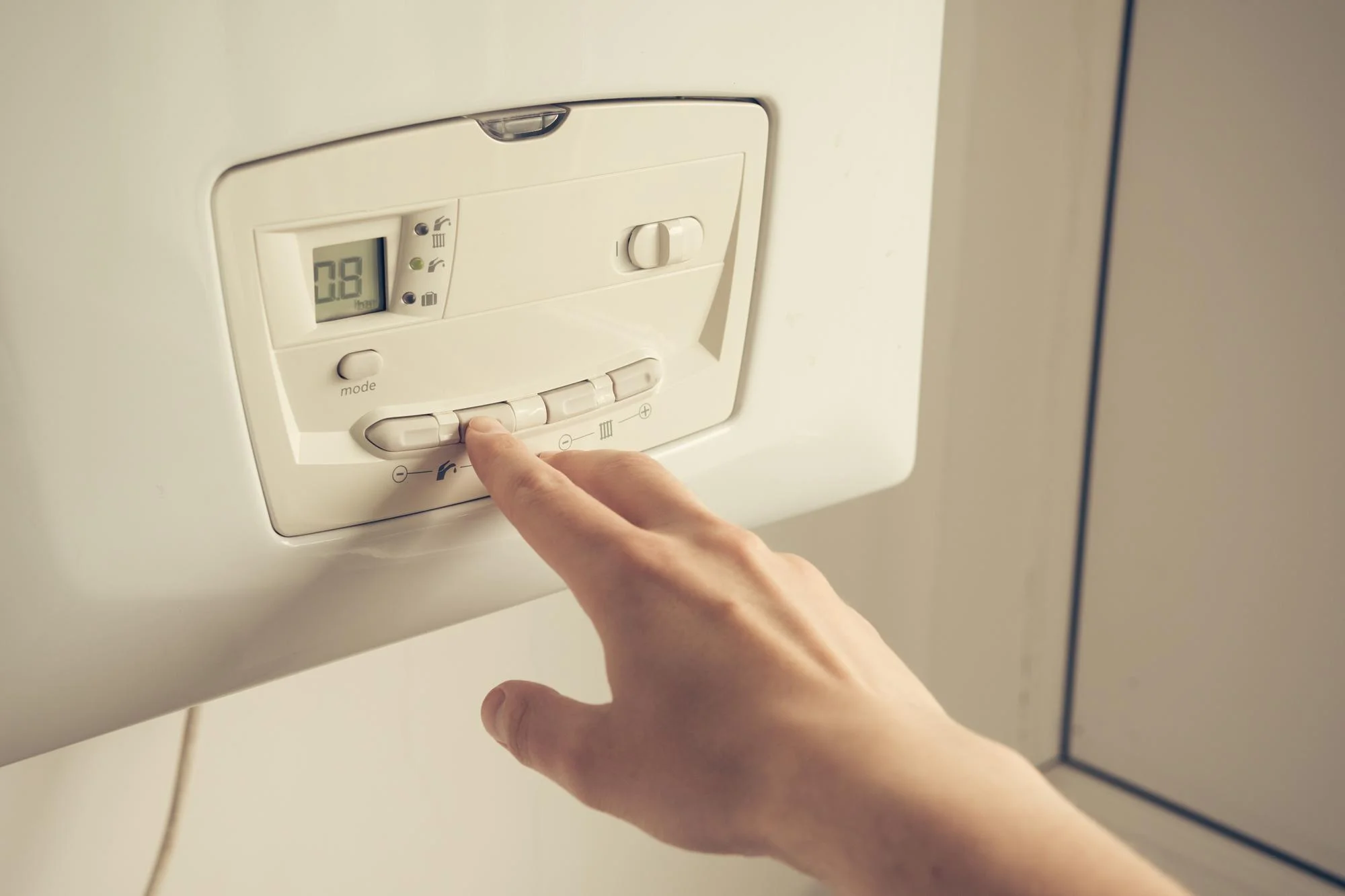
The basic choice is straightforward. Preheat keeps parts of the boiler ready for a hot-water demand, helping hot water arrive sooner. Eco mode switches off that preheat function, which can reduce the energy used to keep the boiler ready but may mean waiting slightly longer when a tap is opened.
Understanding that trade-off can make it easier to decide which setting suits your household. It is also something worth discussing before or after a new boiler is installed, rather than simply leaving the controls unexplained.
If you are considering a new system and want to understand which controls would suit your household, contact CafGas CIC for tailored guidance. The right setting depends on how and when your home uses hot water.
What does hot-water preheat actually do?
A combi boiler heats domestic hot water when a tap or shower creates a demand. With the preheat function enabled, the boiler keeps the relevant heat exchanger or components warm so it can respond more quickly when hot water is requested.
This does not mean the boiler stores a large tank of hot water ready for use. A combi boiler generally heats mains water as it passes through the appliance. Preheat is about keeping the boiler ready to respond rather than storing a household supply of hot water.
The practical benefit is a shorter wait between opening a tap and receiving hot water. The exact difference varies according to the appliance, pipework, distance between the boiler and tap, incoming mains-water temperature and the time since the boiler last operated.
Preheat in everyday use
Imagine a kitchen tap located several metres from the boiler. Even with preheat enabled, there will still be some water sitting in the pipework between the boiler and the tap. That water needs to move out before newly heated water reaches the outlet.
This means preheat cannot eliminate every delay.
It can, however, reduce the time associated with the boiler itself starting from a cooler state and responding to the demand.
For many households, that distinction is important. If someone expects instant hot water simply because the boiler has a preheat function, they may be disappointed by the normal delay caused by pipework.
How is Eco mode different from Preheat?
Eco mode generally disables the preheat function. The boiler does not continually use energy to keep itself ready for an immediate hot-water demand. Instead, it responds when the tap is opened.
Worcester Bosch describes this as an energy-saving option because the boiler does not fire throughout the day simply to maintain readiness. The trade-off is that hot-water delivery can be slower because the appliance has to respond to the demand from a colder starting point.
The important point is that Eco does not mean your hot water has been turned off.
When you open the tap, the boiler can still heat water as required. You are changing how the appliance prepares for that demand.
| Setting | What it does | Likely effect |
| Preheat | Keeps the boiler’s hot-water components ready | Hot water can arrive sooner |
| Eco | Disables the preheat function | May use less energy but can increase waiting time |
| Tap opened | Creates a hot-water demand | Boiler heats water as required |
| Long pipe run | Adds water between boiler and outlet | Can increase waiting time regardless of setting |
The exact controls and terminology vary between manufacturers and models, so homeowners should always refer to the appliance instructions rather than assuming every Eco button works in exactly the same way.
Which setting should you use at home?
There is no single setting that is right for every household.
A useful way to decide is to think about when hot water is normally needed and how important response time is.
Preheat may make sense if:
- Several people regularly need showers in the morning.
- Hot water is used frequently throughout the day.
- A quicker response at taps is a priority.
- Waiting for the boiler to respond becomes irritating.
Eco may be preferable if:
- Hot-water demand is relatively low.
- The household is often out during the day.
- You are happy to accept a little extra waiting.
- Reducing unnecessary boiler operation is a priority.
Some boilers and control systems also allow preheat to be timed around periods of higher demand. Worcester Bosch notes that programming can allow preheat to operate during peak periods while reducing unnecessary preheating when demand is lower.
That can provide a useful middle ground, where comfort and energy use are both considered.
Which fuel powers your boiler?
It just takes 2 minutes
And then you can book a free consultation
Does Eco mode make a boiler more efficient?
Eco mode can reduce the energy used by the boiler’s preheat function, but it should not be interpreted as a guarantee of a particular saving on your household energy bill.
The actual impact depends on the appliance, how frequently hot water is used, the length of time preheat would otherwise operate and the household’s wider heating and hot-water habits.
It is also important to distinguish preheat energy use from the boiler’s overall efficiency.
A modern condensing boiler can be efficient while still offering a choice between preheat and Eco operation. The Eco setting is primarily about how the appliance manages hot-water readiness, not a simple switch between an “efficient boiler” and an “inefficient boiler”.
For that reason, homeowners should avoid choosing a boiler solely because an Eco function is advertised. The complete installation, boiler sizing, controls, system condition and everyday use all matter.
Why can hot water still take time to reach the tap?
One of the most common misunderstandings is assuming that a boiler setting controls the entire journey from the appliance to the tap.
It does not.
Once the boiler has heated the water, that water still needs to travel through the pipework. A tap that is close to the boiler may receive hot water relatively quickly, while a bathroom or utility-room tap farther away can take longer.
Factors affecting waiting time can include:
- Pipe length: More pipework means more water has to move before hot water reaches the outlet.
- Pipe size: The volume of water held within the pipe affects how much needs to pass through first.
- Incoming water temperature: Colder mains water can affect the heating process.
- Boiler response: Eco and preheat settings can change how quickly the appliance responds.
- Flow rate: The flow available at the tap affects how quickly water passes through the system.
This is why simply changing from Eco to Preheat may not transform the experience if the main delay comes from a long pipe run.
A simple example
Consider a typical home where the combi boiler is installed near the kitchen, while the main bathroom is upstairs at the opposite end of the property.
With Preheat enabled, the boiler can be ready to respond quickly. However, the water still has to travel through the pipework before it reaches the bathroom tap.
Switching to Eco could add some additional response time at the boiler itself. The total waiting time could therefore consist of both the boiler’s response and the time needed for water to travel through the pipe.
This is why a good installation discussion should consider the whole hot-water system rather than focusing on one button.
If your hot-water waiting time seems excessive, speaking with a qualified boiler fitter Deeside can help establish whether the issue is simply a normal characteristic of the installation or whether the boiler, controls or plumbing needs further investigation.
Should these settings be explained after a new boiler is installed?
Yes. Homeowners should understand the basic controls they are expected to use.
A new boiler may have several settings covering heating, hot water, temperatures, timers and energy-saving functions. The exact controls depend on the make and model, so a homeowner should not be expected to work everything out from the display alone.
At handover, useful points to understand include:
- How to switch between Eco and Preheat, if the appliance provides both.
- What the boiler display symbols mean.
- How to adjust hot-water temperature where permitted.
- Which controls operate central heating.
- How timers or programmers interact with the boiler.
- What normal hot-water operation should feel like.
- Which symptoms would justify contacting an engineer.
The manufacturer’s instructions should remain the definitive source for model-specific operation. For example, Worcester Bosch provides different instructions for switching Eco and Preheat on different boiler ranges.
A professional installation should therefore include practical guidance rather than simply leaving the homeowner with a new control panel and paperwork.
What should you ask before choosing a boiler installation?
If you are arranging boiler installation Deeside, the discussion should go beyond the boiler’s headline specifications.
Ask the installer to explain how the proposed appliance will work with your household’s actual hot-water demand.
Useful questions include:
- Does the model have a preheat function?
- Can preheat be timed?
- What happens when Eco mode is selected?
- How much hot-water demand is expected in the property?
- Is the boiler correctly sized for the home’s heating and hot-water requirements?
- Will the existing pipework affect hot-water response time?
- Which controls are included?
- Will the settings be explained after installation?
These questions can help prevent a common problem: choosing equipment based on specifications alone without understanding how it will behave in the finished home.
CafGas CIC can discuss the available options with you before work begins, including the controls and day-to-day operation of a new boiler. If you are planning a replacement, speak to our team for advice based on your property and household requirements.
Can changing the setting solve a slow hot-water problem?
Sometimes, but not always.
If the boiler is operating normally and the only complaint is that hot water takes slightly longer to arrive when Eco mode is selected, switching to Preheat may reduce the delay.
However, a sudden or significant change in hot-water performance should not automatically be treated as a control-setting issue.
For example, investigate further if:
- Hot water suddenly becomes much slower than usual.
- The boiler fires but the water remains cold.
- The temperature repeatedly rises and falls.
- The boiler displays a fault code.
- Hot water stops completely.
- The flow becomes noticeably weaker than before.
These symptoms may have a different cause and could require an engineer rather than repeated changes to the controls.
What is the best approach for a typical household?
The best approach is to treat Eco and Preheat as practical settings rather than features that are automatically “better” or “worse”.
If quick hot-water response is important and the household uses hot water regularly, Preheat may provide a more convenient experience.
If hot-water demand is limited and the household is comfortable waiting a little longer, Eco may be suitable.
The choice can also change over time. A household with young children may have very different morning hot-water demands from a retired couple or someone who works away from home for much of the day.
There is no need to treat the setting as permanent. Where the boiler allows it, homeowners can adjust the configuration to suit changing routines, provided they follow the manufacturer’s instructions.
Conclusion: Small Settings Can Make a Noticeable Difference
Hot-water preheat and Eco mode are relatively simple features, but they can influence the everyday experience of using a combi boiler. Preheat is designed to reduce the boiler’s response time, while Eco mode removes that preheating function to reduce energy use associated with keeping the appliance ready.
Neither setting should be considered a universal solution. Pipework, boiler performance, flow rate and household demand all contribute to how long it takes for hot water to reach a tap.
When arranging boiler installation Deeside, it is therefore worth discussing not only which boiler is being fitted, but also how its hot-water controls will work in your home. CafGas CIC can provide practical guidance on boiler installation, controls and ongoing heating requirements, helping homeowners understand how their system should operate from the outset.
If you are unsure whether your current settings are appropriate, or you are considering a new boiler, speak to a qualified boiler fitter Deeside for advice tailored to the property rather than relying on a generic setting.
Related articles
Which fuel powers your boiler?
At a glance
The basic choice is straightforward. Preheat keeps parts of the boiler ready for a hot-water demand, helping hot water arrive sooner. Eco mode switches off that preheat function, which can reduce the energy used to keep the boiler ready but may mean waiting slightly longer when a tap is opened.
Understanding that trade-off can make it easier to decide which setting suits your household. It is also something worth discussing before or after a new boiler is installed, rather than simply leaving the controls unexplained.
If you are considering a new system and want to understand which controls would suit your household, contact CafGas CIC for tailored guidance. The right setting depends on how and when your home uses hot water.
What does hot-water preheat actually do?
A combi boiler heats domestic hot water when a tap or shower creates a demand. With the preheat function enabled, the boiler keeps the relevant heat exchanger or components warm so it can respond more quickly when hot water is requested.
This does not mean the boiler stores a large tank of hot water ready for use. A combi boiler generally heats mains water as it passes through the appliance. Preheat is about keeping the boiler ready to respond rather than storing a household supply of hot water.
The practical benefit is a shorter wait between opening a tap and receiving hot water. The exact difference varies according to the appliance, pipework, distance between the boiler and tap, incoming mains-water temperature and the time since the boiler last operated.
Preheat in everyday use
Imagine a kitchen tap located several metres from the boiler. Even with preheat enabled, there will still be some water sitting in the pipework between the boiler and the tap. That water needs to move out before newly heated water reaches the outlet.
This means preheat cannot eliminate every delay.
It can, however, reduce the time associated with the boiler itself starting from a cooler state and responding to the demand.
For many households, that distinction is important. If someone expects instant hot water simply because the boiler has a preheat function, they may be disappointed by the normal delay caused by pipework.
How is Eco mode different from Preheat?
Eco mode generally disables the preheat function. The boiler does not continually use energy to keep itself ready for an immediate hot-water demand. Instead, it responds when the tap is opened.
Worcester Bosch describes this as an energy-saving option because the boiler does not fire throughout the day simply to maintain readiness. The trade-off is that hot-water delivery can be slower because the appliance has to respond to the demand from a colder starting point.
The important point is that Eco does not mean your hot water has been turned off.
When you open the tap, the boiler can still heat water as required. You are changing how the appliance prepares for that demand.
| Setting | What it does | Likely effect |
| Preheat | Keeps the boiler’s hot-water components ready | Hot water can arrive sooner |
| Eco | Disables the preheat function | May use less energy but can increase waiting time |
| Tap opened | Creates a hot-water demand | Boiler heats water as required |
| Long pipe run | Adds water between boiler and outlet | Can increase waiting time regardless of setting |
The exact controls and terminology vary between manufacturers and models, so homeowners should always refer to the appliance instructions rather than assuming every Eco button works in exactly the same way.
Which setting should you use at home?
There is no single setting that is right for every household.
A useful way to decide is to think about when hot water is normally needed and how important response time is.
Preheat may make sense if:
- Several people regularly need showers in the morning.
- Hot water is used frequently throughout the day.
- A quicker response at taps is a priority.
- Waiting for the boiler to respond becomes irritating.
Eco may be preferable if:
- Hot-water demand is relatively low.
- The household is often out during the day.
- You are happy to accept a little extra waiting.
- Reducing unnecessary boiler operation is a priority.
Some boilers and control systems also allow preheat to be timed around periods of higher demand. Worcester Bosch notes that programming can allow preheat to operate during peak periods while reducing unnecessary preheating when demand is lower.
That can provide a useful middle ground, where comfort and energy use are both considered.
Which fuel powers your boiler?
It just takes 2 minutes
And then you can book a free consultation
Does Eco mode make a boiler more efficient?
Eco mode can reduce the energy used by the boiler’s preheat function, but it should not be interpreted as a guarantee of a particular saving on your household energy bill.
The actual impact depends on the appliance, how frequently hot water is used, the length of time preheat would otherwise operate and the household’s wider heating and hot-water habits.
It is also important to distinguish preheat energy use from the boiler’s overall efficiency.
A modern condensing boiler can be efficient while still offering a choice between preheat and Eco operation. The Eco setting is primarily about how the appliance manages hot-water readiness, not a simple switch between an “efficient boiler” and an “inefficient boiler”.
For that reason, homeowners should avoid choosing a boiler solely because an Eco function is advertised. The complete installation, boiler sizing, controls, system condition and everyday use all matter.
Why can hot water still take time to reach the tap?
One of the most common misunderstandings is assuming that a boiler setting controls the entire journey from the appliance to the tap.
It does not.
Once the boiler has heated the water, that water still needs to travel through the pipework. A tap that is close to the boiler may receive hot water relatively quickly, while a bathroom or utility-room tap farther away can take longer.
Factors affecting waiting time can include:
- Pipe length: More pipework means more water has to move before hot water reaches the outlet.
- Pipe size: The volume of water held within the pipe affects how much needs to pass through first.
- Incoming water temperature: Colder mains water can affect the heating process.
- Boiler response: Eco and preheat settings can change how quickly the appliance responds.
- Flow rate: The flow available at the tap affects how quickly water passes through the system.
This is why simply changing from Eco to Preheat may not transform the experience if the main delay comes from a long pipe run.
A simple example
Consider a typical home where the combi boiler is installed near the kitchen, while the main bathroom is upstairs at the opposite end of the property.
With Preheat enabled, the boiler can be ready to respond quickly. However, the water still has to travel through the pipework before it reaches the bathroom tap.
Switching to Eco could add some additional response time at the boiler itself. The total waiting time could therefore consist of both the boiler’s response and the time needed for water to travel through the pipe.
This is why a good installation discussion should consider the whole hot-water system rather than focusing on one button.
If your hot-water waiting time seems excessive, speaking with a qualified boiler fitter Deeside can help establish whether the issue is simply a normal characteristic of the installation or whether the boiler, controls or plumbing needs further investigation.
Should these settings be explained after a new boiler is installed?
Yes. Homeowners should understand the basic controls they are expected to use.
A new boiler may have several settings covering heating, hot water, temperatures, timers and energy-saving functions. The exact controls depend on the make and model, so a homeowner should not be expected to work everything out from the display alone.
At handover, useful points to understand include:
- How to switch between Eco and Preheat, if the appliance provides both.
- What the boiler display symbols mean.
- How to adjust hot-water temperature where permitted.
- Which controls operate central heating.
- How timers or programmers interact with the boiler.
- What normal hot-water operation should feel like.
- Which symptoms would justify contacting an engineer.
The manufacturer’s instructions should remain the definitive source for model-specific operation. For example, Worcester Bosch provides different instructions for switching Eco and Preheat on different boiler ranges.
A professional installation should therefore include practical guidance rather than simply leaving the homeowner with a new control panel and paperwork.
What should you ask before choosing a boiler installation?
If you are arranging boiler installation Deeside, the discussion should go beyond the boiler’s headline specifications.
Ask the installer to explain how the proposed appliance will work with your household’s actual hot-water demand.
Useful questions include:
- Does the model have a preheat function?
- Can preheat be timed?
- What happens when Eco mode is selected?
- How much hot-water demand is expected in the property?
- Is the boiler correctly sized for the home’s heating and hot-water requirements?
- Will the existing pipework affect hot-water response time?
- Which controls are included?
- Will the settings be explained after installation?
These questions can help prevent a common problem: choosing equipment based on specifications alone without understanding how it will behave in the finished home.
CafGas CIC can discuss the available options with you before work begins, including the controls and day-to-day operation of a new boiler. If you are planning a replacement, speak to our team for advice based on your property and household requirements.
Can changing the setting solve a slow hot-water problem?
Sometimes, but not always.
If the boiler is operating normally and the only complaint is that hot water takes slightly longer to arrive when Eco mode is selected, switching to Preheat may reduce the delay.
However, a sudden or significant change in hot-water performance should not automatically be treated as a control-setting issue.
For example, investigate further if:
- Hot water suddenly becomes much slower than usual.
- The boiler fires but the water remains cold.
- The temperature repeatedly rises and falls.
- The boiler displays a fault code.
- Hot water stops completely.
- The flow becomes noticeably weaker than before.
These symptoms may have a different cause and could require an engineer rather than repeated changes to the controls.
What is the best approach for a typical household?
The best approach is to treat Eco and Preheat as practical settings rather than features that are automatically “better” or “worse”.
If quick hot-water response is important and the household uses hot water regularly, Preheat may provide a more convenient experience.
If hot-water demand is limited and the household is comfortable waiting a little longer, Eco may be suitable.
The choice can also change over time. A household with young children may have very different morning hot-water demands from a retired couple or someone who works away from home for much of the day.
There is no need to treat the setting as permanent. Where the boiler allows it, homeowners can adjust the configuration to suit changing routines, provided they follow the manufacturer’s instructions.
Conclusion: Small Settings Can Make a Noticeable Difference
Hot-water preheat and Eco mode are relatively simple features, but they can influence the everyday experience of using a combi boiler. Preheat is designed to reduce the boiler’s response time, while Eco mode removes that preheating function to reduce energy use associated with keeping the appliance ready.
Neither setting should be considered a universal solution. Pipework, boiler performance, flow rate and household demand all contribute to how long it takes for hot water to reach a tap.
When arranging boiler installation Deeside, it is therefore worth discussing not only which boiler is being fitted, but also how its hot-water controls will work in your home. CafGas CIC can provide practical guidance on boiler installation, controls and ongoing heating requirements, helping homeowners understand how their system should operate from the outset.
If you are unsure whether your current settings are appropriate, or you are considering a new boiler, speak to a qualified boiler fitter Deeside for advice tailored to the property rather than relying on a generic setting.


