 Up to 12 year labour warranty


Boiler Repair Cost: Why Early Diagnosis Can Save Money
Boiler problems rarely happen at a convenient time. A fault that starts as a minor issue can quickly become a major disruption, particularly during colder months when heating and hot water are essential.

Why you can trust our content
At CafGas CIC, we know choosing a new boiler can feel overwhelming, especially with so much conflicting advice online. That’s why we focus on clear guidance, honest recommendations, and trusted expertise to help homeowners make informed decisions about their heating systems.

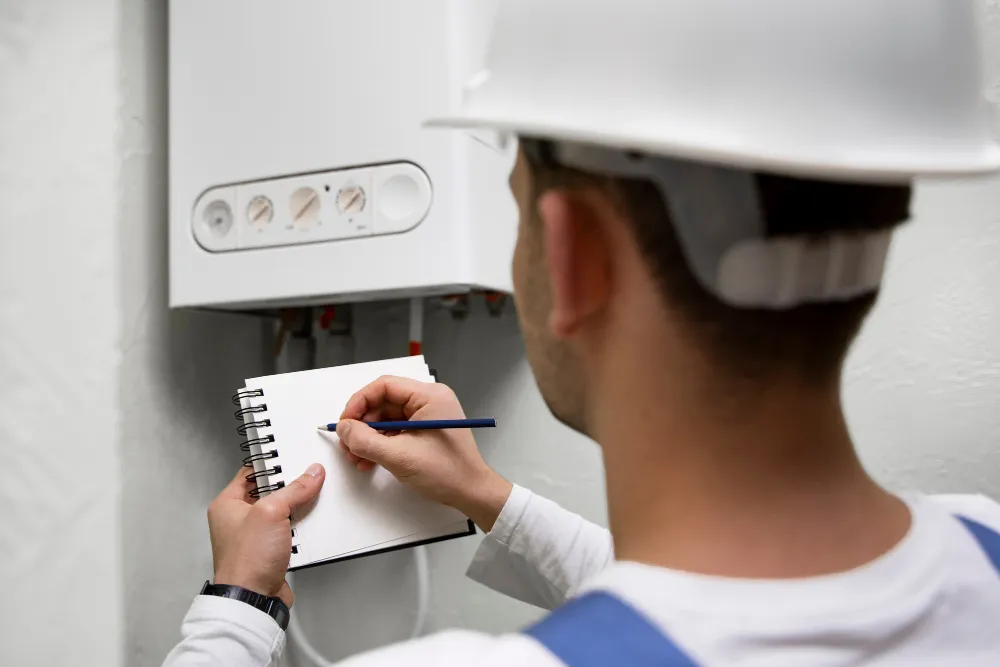
Many homeowners delay arranging an inspection because the boiler is still partly working or because they hope the issue will resolve itself. Unfortunately, waiting often leads to more complicated repairs, longer downtime, and higher overall costs.
Understanding how faults develop can help homeowners make more informed decisions about maintenance, repairs, and future heating plans. In many cases, identifying a problem early is one of the simplest ways to reduce stress and avoid avoidable expense.
If your boiler has started showing signs of a fault, arranging an early inspection may help prevent more serious repairs later.
Why do small boiler faults become expensive?
Heating systems are made up of interconnected components. When one part begins to fail, it can place additional strain on the rest of the system.
For example, a small circulation issue may force the boiler to work harder to distribute heat. Over time, this extra strain can affect the pump, heat exchanger, or other internal parts.
Common issues that often worsen if ignored include:
- Low boiler pressure
- Noisy operation
- Sludge build-up
- Small leaks
- Faulty thermostats
- Ignition problems
What begins as a relatively minor repair can eventually result in multiple component failures.
In many homes, the initial warning signs are subtle enough to ignore, especially if the heating still functions most of the time.
What affects the overall boiler repair cost?
Several factors influence the final price of a repair. Some faults are quick to diagnose and straightforward to resolve, while others involve specialist parts or more extensive labour.
The most common cost factors include:
| Factor | How It Influences Cost |
| Type of fault | Simple fixes are usually cheaper |
| Boiler age | Older systems may need harder-to-source parts |
| Part availability | Specialist components can increase costs |
| Labour time | Complex faults require longer inspections |
| Severity of damage | Delayed repairs often affect multiple parts |
The condition of the heating system also matters. Boilers that have received regular servicing are often easier to repair because faults are identified before major damage develops.
For many households, understanding the likely boiler repair cost early allows them to decide whether repair or replacement is the better long-term option.
How can early diagnosis prevent larger problems?
Early diagnosis helps identify faults before they spread throughout the system. Engineers can often detect wear, circulation issues, or pressure problems before the boiler stops functioning entirely.
This can help prevent:
- Complete breakdowns
- Water damage from leaks
- Damage to expensive components
- Loss of heating during winter
- Higher energy consumption
A boiler that is inspected early may only require a small adjustment or replacement part rather than a major repair.
In some cases, routine servicing identifies faults the homeowner has not yet noticed. For example, corrosion inside components or declining pressure stability may not immediately affect heating performance but can indicate developing issues.
Are emergency callouts usually more expensive?
Yes, emergency repairs are often more costly than planned appointments.
The higher emergency boiler repair cost typically reflects several factors:
- Out-of-hours labour
- Urgent callout availability
- Increased winter demand
- Faster parts sourcing
- Greater system damage caused by delayed action
Emergency situations also tend to happen after a fault has already worsened. A boiler that has been struggling for weeks may finally stop working during colder weather when the system is under maximum demand.
This is one reason preventative maintenance and early diagnosis are often more economical over time.
Which fuel powers your boiler?
It just takes 2 minutes
And then you can book a free consultation
What warning signs should homeowners watch for?
Many boiler faults develop gradually. Paying attention to small changes can help reduce the likelihood of sudden failure.
Common warning signs include:
- Unusual banging or whistling noises
- Inconsistent hot water
- Radiators heating unevenly
- Pressure dropping regularly
- Boiler lockouts or resets
- Rising energy bills
- Leaks around the appliance
Some homeowners become accustomed to these issues and delay seeking advice because the boiler still works intermittently.
However, repeated symptoms usually indicate that the system is under strain and should be assessed professionally.
If your boiler has started showing recurring issues, speaking to a qualified engineer sooner rather than later may help avoid larger repair bills.
Can servicing reduce repair costs?
Annual servicing can help identify faults before they become more expensive to resolve.
A service typically includes checks on:
- Boiler pressure
- Heat exchanger condition
- Burner performance
- Safety controls
- Pipework and seals
- Ventilation and flue operation
Regular servicing may also improve efficiency and help the boiler operate more reliably during periods of heavy use.
While servicing does not prevent every fault, it can significantly reduce the likelihood of hidden issues escalating unnoticed.
Many homeowners only arrange an inspection once the heating fails completely, but preventative maintenance is often less disruptive and easier to schedule.
Should older boilers always be repaired?
Not necessarily. In some cases, replacement may offer better long-term value than repeated repairs.
Factors worth considering include:
| Consideration | Why It Matters |
| Boiler age | Older systems often become less efficient |
| Repair frequency | Repeated faults increase overall expense |
| Parts availability | Some components may become difficult to source |
| Energy efficiency | Newer boilers can reduce running costs |
| Reliability | Frequent breakdowns create disruption |
For homeowners with ageing systems, comparing future repair costs against replacement options can provide a clearer picture of long-term value.
This does not mean every older boiler needs replacing immediately, but repeated faults are often a sign that the system is approaching the end of its reliable lifespan.
What happens when repairs are delayed during winter?
Winter places greater demand on heating systems. Boilers often operate for longer periods each day, which can expose underlying faults more quickly.
Delaying repairs during colder weather can result in:
- Complete heating loss
- Frozen condensate pipes
- Difficulty booking urgent appointments
- Increased household disruption
- Temporary heating expenses
In busy winter periods, emergency appointments may also be harder to secure due to higher demand across Deeside and surrounding areas of North Wales.
Addressing faults earlier in the year often provides greater flexibility and reduces the risk of urgent winter breakdowns.
A typical homeowner scenario
A common example involves a homeowner noticing that their radiators are taking longer to heat each morning. Shortly afterwards, the boiler begins losing pressure every few weeks.
At first, the issue seems manageable. The pressure is topped up manually, and the heating continues working.
Several months later, the boiler begins shutting down intermittently. By this point, the original circulation issue may already have affected additional components within the system.
What could have been a relatively straightforward repair may now involve significantly more labour and replacement parts.
Final Thoughts
Boiler problems rarely improve on their own. Small faults can gradually place additional strain on the heating system, leading to larger repairs, higher running costs, and unexpected disruption if ignored for too long.
For homeowners in Deeside, recognising early warning signs and arranging professional advice promptly can help reduce overall repair expenses and improve long-term reliability. CafGas CIC supports households with practical inspections, servicing, and heating guidance tailored to the condition of the existing system.
If you would like advice on recurring boiler issues or want to assess the condition of your heating system, contact CafGas CIC to speak with our team.
Related articles
Which fuel powers your boiler?
At a glance
Many homeowners delay arranging an inspection because the boiler is still partly working or because they hope the issue will resolve itself. Unfortunately, waiting often leads to more complicated repairs, longer downtime, and higher overall costs.
Understanding how faults develop can help homeowners make more informed decisions about maintenance, repairs, and future heating plans. In many cases, identifying a problem early is one of the simplest ways to reduce stress and avoid avoidable expense.
If your boiler has started showing signs of a fault, arranging an early inspection may help prevent more serious repairs later.
Why do small boiler faults become expensive?
Heating systems are made up of interconnected components. When one part begins to fail, it can place additional strain on the rest of the system.
For example, a small circulation issue may force the boiler to work harder to distribute heat. Over time, this extra strain can affect the pump, heat exchanger, or other internal parts.
Common issues that often worsen if ignored include:
- Low boiler pressure
- Noisy operation
- Sludge build-up
- Small leaks
- Faulty thermostats
- Ignition problems
What begins as a relatively minor repair can eventually result in multiple component failures.
In many homes, the initial warning signs are subtle enough to ignore, especially if the heating still functions most of the time.
What affects the overall boiler repair cost?
Several factors influence the final price of a repair. Some faults are quick to diagnose and straightforward to resolve, while others involve specialist parts or more extensive labour.
The most common cost factors include:
| Factor | How It Influences Cost |
| Type of fault | Simple fixes are usually cheaper |
| Boiler age | Older systems may need harder-to-source parts |
| Part availability | Specialist components can increase costs |
| Labour time | Complex faults require longer inspections |
| Severity of damage | Delayed repairs often affect multiple parts |
The condition of the heating system also matters. Boilers that have received regular servicing are often easier to repair because faults are identified before major damage develops.
For many households, understanding the likely boiler repair cost early allows them to decide whether repair or replacement is the better long-term option.
How can early diagnosis prevent larger problems?
Early diagnosis helps identify faults before they spread throughout the system. Engineers can often detect wear, circulation issues, or pressure problems before the boiler stops functioning entirely.
This can help prevent:
- Complete breakdowns
- Water damage from leaks
- Damage to expensive components
- Loss of heating during winter
- Higher energy consumption
A boiler that is inspected early may only require a small adjustment or replacement part rather than a major repair.
In some cases, routine servicing identifies faults the homeowner has not yet noticed. For example, corrosion inside components or declining pressure stability may not immediately affect heating performance but can indicate developing issues.
Are emergency callouts usually more expensive?
Yes, emergency repairs are often more costly than planned appointments.
The higher emergency boiler repair cost typically reflects several factors:
- Out-of-hours labour
- Urgent callout availability
- Increased winter demand
- Faster parts sourcing
- Greater system damage caused by delayed action
Emergency situations also tend to happen after a fault has already worsened. A boiler that has been struggling for weeks may finally stop working during colder weather when the system is under maximum demand.
This is one reason preventative maintenance and early diagnosis are often more economical over time.
Which fuel powers your boiler?
It just takes 2 minutes
And then you can book a free consultation
What warning signs should homeowners watch for?
Many boiler faults develop gradually. Paying attention to small changes can help reduce the likelihood of sudden failure.
Common warning signs include:
- Unusual banging or whistling noises
- Inconsistent hot water
- Radiators heating unevenly
- Pressure dropping regularly
- Boiler lockouts or resets
- Rising energy bills
- Leaks around the appliance
Some homeowners become accustomed to these issues and delay seeking advice because the boiler still works intermittently.
However, repeated symptoms usually indicate that the system is under strain and should be assessed professionally.
If your boiler has started showing recurring issues, speaking to a qualified engineer sooner rather than later may help avoid larger repair bills.
Can servicing reduce repair costs?
Annual servicing can help identify faults before they become more expensive to resolve.
A service typically includes checks on:
- Boiler pressure
- Heat exchanger condition
- Burner performance
- Safety controls
- Pipework and seals
- Ventilation and flue operation
Regular servicing may also improve efficiency and help the boiler operate more reliably during periods of heavy use.
While servicing does not prevent every fault, it can significantly reduce the likelihood of hidden issues escalating unnoticed.
Many homeowners only arrange an inspection once the heating fails completely, but preventative maintenance is often less disruptive and easier to schedule.
Should older boilers always be repaired?
Not necessarily. In some cases, replacement may offer better long-term value than repeated repairs.
Factors worth considering include:
| Consideration | Why It Matters |
| Boiler age | Older systems often become less efficient |
| Repair frequency | Repeated faults increase overall expense |
| Parts availability | Some components may become difficult to source |
| Energy efficiency | Newer boilers can reduce running costs |
| Reliability | Frequent breakdowns create disruption |
For homeowners with ageing systems, comparing future repair costs against replacement options can provide a clearer picture of long-term value.
This does not mean every older boiler needs replacing immediately, but repeated faults are often a sign that the system is approaching the end of its reliable lifespan.
What happens when repairs are delayed during winter?
Winter places greater demand on heating systems. Boilers often operate for longer periods each day, which can expose underlying faults more quickly.
Delaying repairs during colder weather can result in:
- Complete heating loss
- Frozen condensate pipes
- Difficulty booking urgent appointments
- Increased household disruption
- Temporary heating expenses
In busy winter periods, emergency appointments may also be harder to secure due to higher demand across Deeside and surrounding areas of North Wales.
Addressing faults earlier in the year often provides greater flexibility and reduces the risk of urgent winter breakdowns.
A typical homeowner scenario
A common example involves a homeowner noticing that their radiators are taking longer to heat each morning. Shortly afterwards, the boiler begins losing pressure every few weeks.
At first, the issue seems manageable. The pressure is topped up manually, and the heating continues working.
Several months later, the boiler begins shutting down intermittently. By this point, the original circulation issue may already have affected additional components within the system.
What could have been a relatively straightforward repair may now involve significantly more labour and replacement parts.
Final Thoughts
Boiler problems rarely improve on their own. Small faults can gradually place additional strain on the heating system, leading to larger repairs, higher running costs, and unexpected disruption if ignored for too long.
For homeowners in Deeside, recognising early warning signs and arranging professional advice promptly can help reduce overall repair expenses and improve long-term reliability. CafGas CIC supports households with practical inspections, servicing, and heating guidance tailored to the condition of the existing system.
If you would like advice on recurring boiler issues or want to assess the condition of your heating system, contact CafGas CIC to speak with our team.


