 Up to 12 year labour warranty


New Combi Boiler in Deeside: Matching Boiler Choice to Real Home Usage
A boiler should suit the way a household actually lives. While brochures and specifications can provide useful information, the most important factor is whether the system can comfortably handle day-to-day heating and hot water demand.

Why you can trust our content
At CafGas CIC, we know choosing a new boiler can feel overwhelming, especially with so much conflicting advice online. That’s why we focus on clear guidance, honest recommendations, and trusted expertise to help homeowners make informed decisions about their heating systems.
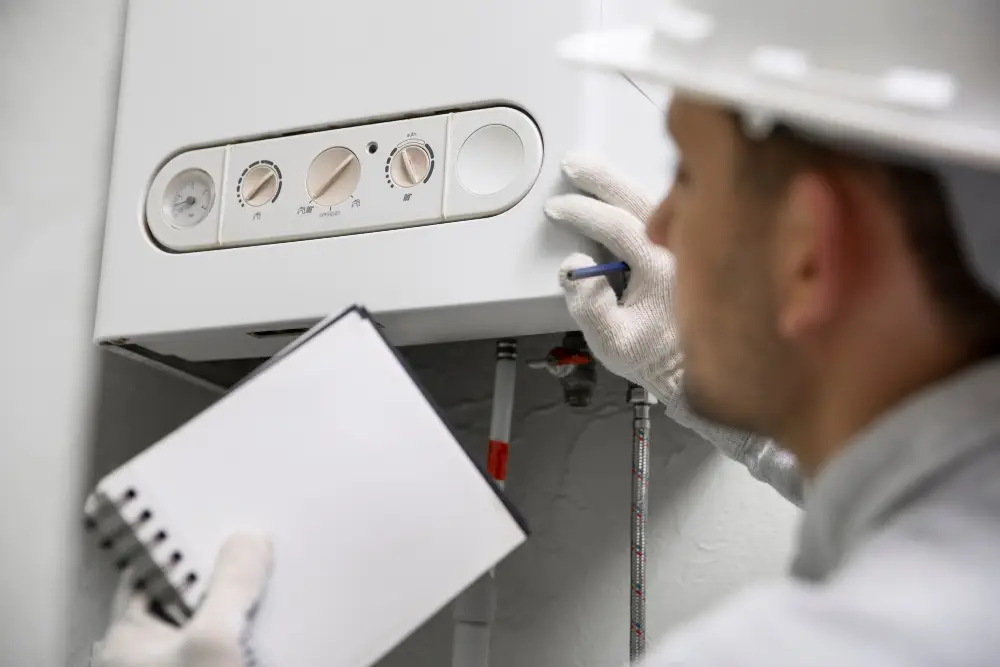
For many homeowners, a combi boiler offers a practical and space-saving solution. However, choosing the right model involves more than simply replacing an older unit with another combi system.
Before arranging a new combi boiler deeside, it is important to consider property size, water usage habits, heating expectations, and future household needs. A well-matched system can improve comfort, efficiency, and reliability over the long term.
Why are combi boilers so popular?
Combi boilers provide heating and hot water directly from the mains without the need for a separate hot water cylinder or cold-water storage tank.
This setup offers several advantages for many homes:
- More cupboard and loft space
- Hot water on demand
- Simpler system layout
- Reduced pipework
- Improved efficiency in many properties
Because of these benefits, combi systems are now common across modern flats, terraced homes, and many semi-detached properties throughout Deeside.
That said, they are not automatically the right solution for every household.
If you are considering a boiler upgrade, CafGas CIC can help assess whether a combi system is suitable for your home and heating habits.
How does household usage affect boiler choice?
One of the biggest factors when selecting a boiler is how much hot water the household uses at peak times.
For example:
| Household Type | Typical Heating Demand |
| Couple in a flat | Lower hot water demand |
| Family with children | Higher daily hot water usage |
| Multi-bathroom property | Greater simultaneous demand |
| Home workers | Longer daytime heating use |
A combi boiler heats water instantly as needed. This works very well in many homes, but properties with very high simultaneous demand may sometimes benefit from a different setup.
A professional assessment helps determine whether a combi system can comfortably meet those requirements.
What size combi boiler do you need?
Boiler size refers to heating output rather than physical dimensions.
Choosing the wrong output can affect both comfort and running costs. A system that is too small may struggle to provide adequate hot water, while an oversized boiler can operate inefficiently.
When recommending a new combi boiler deeside, installers often consider:
- Number of radiators
- Bathrooms and showers
- Property insulation levels
- Household occupancy
- Daily hot water usage
This helps ensure the boiler performs efficiently without unnecessary strain.
Is water pressure important for combi boilers?
Yes. Because combi boilers rely on mains water pressure, flow rate and pressure levels are very important.
Low pressure can lead to:
- Weak shower performance
- Reduced hot water flow
- Inconsistent temperatures
- Difficulty using multiple outlets simultaneously
During surveys for combi boiler installation deeside, engineers usually test water pressure and flow rates to determine whether the property is suitable for a combi setup.
If pressure is lower than expected, installers may recommend alternative solutions or discuss possible improvements.
Which fuel powers your boiler?
It just takes 2 minutes
And then you can book a free consultation
What role do heating controls play?
Modern heating controls can significantly improve how a combi boiler operates.
Many homeowners now choose:
- Smart thermostats
- Zoned heating controls
- Programmable schedules
- Mobile app controls
These features help households manage heating more effectively and reduce unnecessary energy usage.
For busy families or people working flexible hours, better controls can also improve convenience and comfort throughout the year.
CafGas CIC can explain different heating control options during your home survey and help you choose a setup that suits your routine.
Can an older heating system support a new combi boiler?
Not always without some preparation.
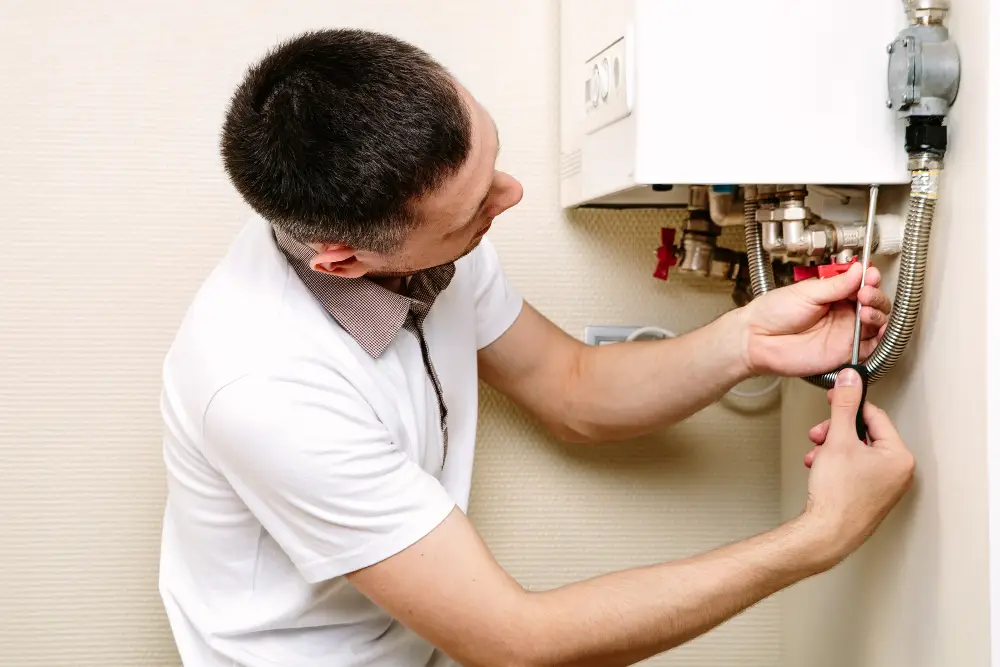
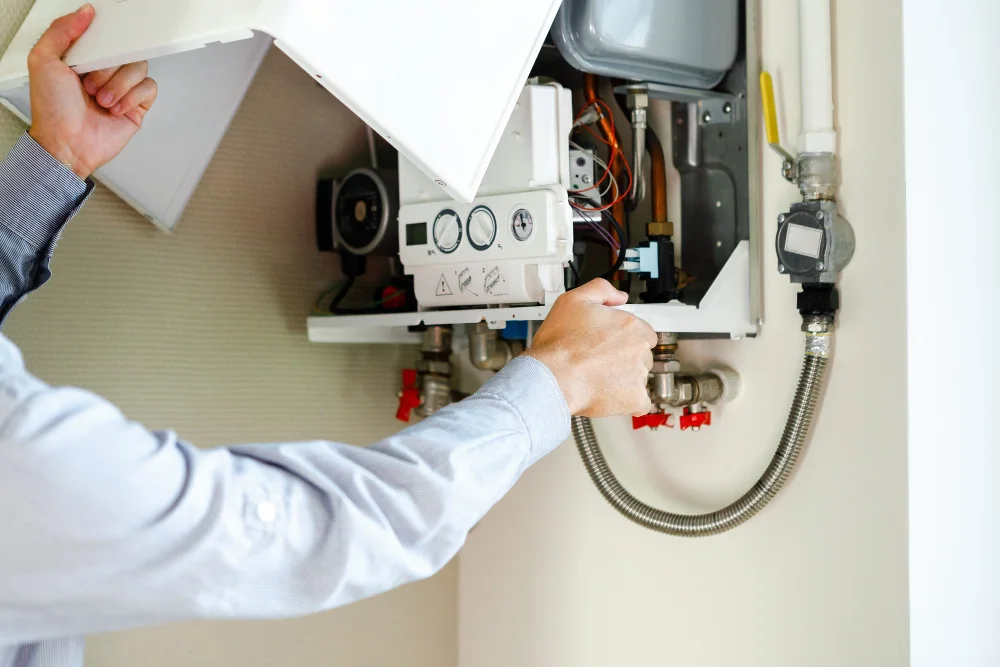
Even when replacing an existing combi boiler, installers may still need to assess:
- Pipework condition
- Radiator performance
- System sludge levels
- Gas supply capacity
- Existing controls
Older systems can sometimes reduce the performance and lifespan of a new boiler if underlying issues are not addressed.
For this reason, many engineers recommend system flushing or minor upgrades before installation takes place.
What should homeowners consider beyond the boiler itself?
The boiler is only one part of the wider heating system.
When comparing options, homeowners should also think about:
| Consideration | Why It Matters |
| Warranty length | Longer cover may provide reassurance |
| Aftercare support | Ongoing servicing becomes easier |
| Efficiency ratings | Impacts future energy usage |
| Noise levels | Important in smaller homes |
| Installation quality | Affects long-term reliability |
The cheapest system is not always the best long-term value if it struggles to meet household demand or develops avoidable issues later.
A common example from a Deeside household
A couple living in a two-bedroom semi-detached property may decide to replace an ageing boiler after noticing inconsistent hot water and rising energy bills.
Initially, they may assume any modern combi system will solve the problem. However, after assessment, the installer identifies:
- Poor radiator circulation upstairs
- Outdated heating controls
- Higher-than-expected hot water usage during mornings
Instead of recommending the smallest available model, the engineer suggests a slightly higher output combi boiler with improved controls and a system flush.
The result is often:
- More reliable heating
- Faster hot water delivery
- Better temperature consistency
- Improved system efficiency
This type of tailored recommendation is why detailed surveys matter before installation begins.
How disruptive is combi boiler installation?
Most standard installations are completed within one or two days, although this can vary depending on the complexity of the work.
Homeowners may experience temporary interruptions to:
- Heating
- Hot water
- Water supply in some cases
Before starting combi boiler installation deeside, installers usually explain expected timelines and preparation requirements clearly.
Simple preparation steps may include:
- Clearing access to the boiler area
- Emptying nearby cupboards
- Protecting flooring if needed
- Arranging temporary access to water
Good communication during the process helps minimise disruption.
What questions should you ask before installation?
Before committing to a new system, homeowners may wish to ask:
- Is this boiler suitable for my daily usage?
- Can it handle simultaneous showers?
- What warranty is included?
- Are smart controls available?
- Will the radiators work efficiently with the system?
- Does the quote include flushing or upgrades?
These conversations can help avoid misunderstandings later and ensure expectations are realistic from the start.
Why does matching the boiler to the household matter?
Heating systems work best when they are chosen around real usage rather than assumptions.
A carefully selected combi boiler can provide:
- Consistent hot water
- Reliable heating
- Better efficiency
- Easier temperature control
- Reduced maintenance concerns
For households across Deeside, the most effective installations are usually the ones based on practical assessment rather than quick replacement decisions.
If you are exploring options for a replacement combi boiler, speak to CafGas CIC for clear advice and a tailored recommendation for your property.
Final Thoughts
Choosing a combi boiler is about more than selecting a brand or replacing an old unit with a similar model. The right system should suit how your household actually uses heating and hot water every day.
By assessing water demand, heating usage, system condition, and future requirements, homeowners can make more informed decisions and avoid unnecessary issues later.
CafGas CIC supports households across Deeside with professional assessments, practical advice, and heating solutions tailored to real home usage.
Related articles

Which fuel powers your boiler?
At a glance
For many homeowners, a combi boiler offers a practical and space-saving solution. However, choosing the right model involves more than simply replacing an older unit with another combi system.
Before arranging a new combi boiler deeside, it is important to consider property size, water usage habits, heating expectations, and future household needs. A well-matched system can improve comfort, efficiency, and reliability over the long term.
Why are combi boilers so popular?
Combi boilers provide heating and hot water directly from the mains without the need for a separate hot water cylinder or cold-water storage tank.
This setup offers several advantages for many homes:
- More cupboard and loft space
- Hot water on demand
- Simpler system layout
- Reduced pipework
- Improved efficiency in many properties
Because of these benefits, combi systems are now common across modern flats, terraced homes, and many semi-detached properties throughout Deeside.
That said, they are not automatically the right solution for every household.
If you are considering a boiler upgrade, CafGas CIC can help assess whether a combi system is suitable for your home and heating habits.
How does household usage affect boiler choice?
One of the biggest factors when selecting a boiler is how much hot water the household uses at peak times.
For example:
| Household Type | Typical Heating Demand |
| Couple in a flat | Lower hot water demand |
| Family with children | Higher daily hot water usage |
| Multi-bathroom property | Greater simultaneous demand |
| Home workers | Longer daytime heating use |
A combi boiler heats water instantly as needed. This works very well in many homes, but properties with very high simultaneous demand may sometimes benefit from a different setup.
A professional assessment helps determine whether a combi system can comfortably meet those requirements.
What size combi boiler do you need?
Boiler size refers to heating output rather than physical dimensions.
Choosing the wrong output can affect both comfort and running costs. A system that is too small may struggle to provide adequate hot water, while an oversized boiler can operate inefficiently.
When recommending a new combi boiler deeside, installers often consider:
- Number of radiators
- Bathrooms and showers
- Property insulation levels
- Household occupancy
- Daily hot water usage
This helps ensure the boiler performs efficiently without unnecessary strain.
Is water pressure important for combi boilers?
Yes. Because combi boilers rely on mains water pressure, flow rate and pressure levels are very important.
Low pressure can lead to:
- Weak shower performance
- Reduced hot water flow
- Inconsistent temperatures
- Difficulty using multiple outlets simultaneously
During surveys for combi boiler installation deeside, engineers usually test water pressure and flow rates to determine whether the property is suitable for a combi setup.
If pressure is lower than expected, installers may recommend alternative solutions or discuss possible improvements.
Which fuel powers your boiler?
It just takes 2 minutes
And then you can book a free consultation
What role do heating controls play?
Modern heating controls can significantly improve how a combi boiler operates.
Many homeowners now choose:
- Smart thermostats
- Zoned heating controls
- Programmable schedules
- Mobile app controls
These features help households manage heating more effectively and reduce unnecessary energy usage.
For busy families or people working flexible hours, better controls can also improve convenience and comfort throughout the year.
CafGas CIC can explain different heating control options during your home survey and help you choose a setup that suits your routine.
Can an older heating system support a new combi boiler?
Not always without some preparation.
Even when replacing an existing combi boiler, installers may still need to assess:
- Pipework condition
- Radiator performance
- System sludge levels
- Gas supply capacity
- Existing controls
Older systems can sometimes reduce the performance and lifespan of a new boiler if underlying issues are not addressed.
For this reason, many engineers recommend system flushing or minor upgrades before installation takes place.
What should homeowners consider beyond the boiler itself?
The boiler is only one part of the wider heating system.
When comparing options, homeowners should also think about:
| Consideration | Why It Matters |
| Warranty length | Longer cover may provide reassurance |
| Aftercare support | Ongoing servicing becomes easier |
| Efficiency ratings | Impacts future energy usage |
| Noise levels | Important in smaller homes |
| Installation quality | Affects long-term reliability |
The cheapest system is not always the best long-term value if it struggles to meet household demand or develops avoidable issues later.
A common example from a Deeside household
A couple living in a two-bedroom semi-detached property may decide to replace an ageing boiler after noticing inconsistent hot water and rising energy bills.
Initially, they may assume any modern combi system will solve the problem. However, after assessment, the installer identifies:
- Poor radiator circulation upstairs
- Outdated heating controls
- Higher-than-expected hot water usage during mornings
Instead of recommending the smallest available model, the engineer suggests a slightly higher output combi boiler with improved controls and a system flush.
The result is often:
- More reliable heating
- Faster hot water delivery
- Better temperature consistency
- Improved system efficiency
This type of tailored recommendation is why detailed surveys matter before installation begins.
How disruptive is combi boiler installation?
Most standard installations are completed within one or two days, although this can vary depending on the complexity of the work.
Homeowners may experience temporary interruptions to:
- Heating
- Hot water
- Water supply in some cases
Before starting combi boiler installation deeside, installers usually explain expected timelines and preparation requirements clearly.
Simple preparation steps may include:
- Clearing access to the boiler area
- Emptying nearby cupboards
- Protecting flooring if needed
- Arranging temporary access to water
Good communication during the process helps minimise disruption.
What questions should you ask before installation?
Before committing to a new system, homeowners may wish to ask:
- Is this boiler suitable for my daily usage?
- Can it handle simultaneous showers?
- What warranty is included?
- Are smart controls available?
- Will the radiators work efficiently with the system?
- Does the quote include flushing or upgrades?
These conversations can help avoid misunderstandings later and ensure expectations are realistic from the start.
Why does matching the boiler to the household matter?
Heating systems work best when they are chosen around real usage rather than assumptions.
A carefully selected combi boiler can provide:
- Consistent hot water
- Reliable heating
- Better efficiency
- Easier temperature control
- Reduced maintenance concerns
For households across Deeside, the most effective installations are usually the ones based on practical assessment rather than quick replacement decisions.
If you are exploring options for a replacement combi boiler, speak to CafGas CIC for clear advice and a tailored recommendation for your property.
Final Thoughts
Choosing a combi boiler is about more than selecting a brand or replacing an old unit with a similar model. The right system should suit how your household actually uses heating and hot water every day.
By assessing water demand, heating usage, system condition, and future requirements, homeowners can make more informed decisions and avoid unnecessary issues later.
CafGas CIC supports households across Deeside with professional assessments, practical advice, and heating solutions tailored to real home usage.


