 Up to 12 year labour warranty


Combi Boiler Replacement in Deeside: When Your Current System Is Holding You Back
Many homeowners continue repairing ageing boilers long after the system has started affecting comfort, efficiency, and reliability throughout the property.

Why you can trust our content
At CafGas CIC, we know choosing a new boiler can feel overwhelming, especially with so much conflicting advice online. That’s why we focus on clear guidance, honest recommendations, and trusted expertise to help homeowners make informed decisions about their heating systems.
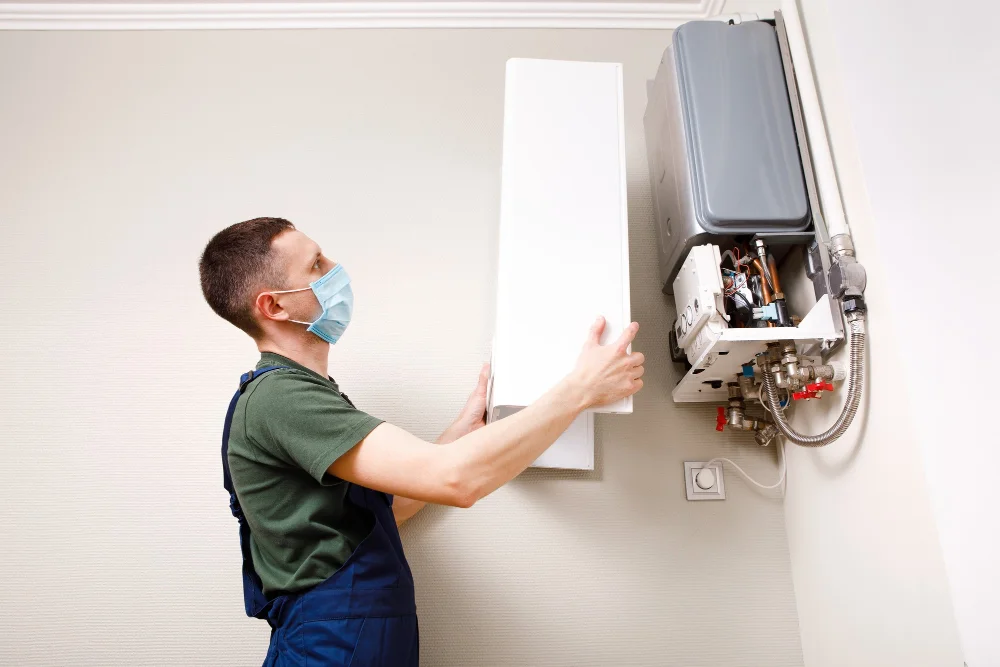
While occasional repairs are completely normal, there often comes a point where ongoing maintenance becomes increasingly expensive and inconvenient. Older boilers may struggle to meet modern household demands, particularly during colder months when heating systems are under greater pressure.
Recognising the warning signs early can help homeowners plan replacement more calmly rather than waiting for a complete breakdown during winter.
How Do You Know When a Boiler Is Becoming Unreliable?
Most boilers show gradual signs of decline before complete failure occurs.
Common warning signs include:
- Frequent breakdowns
- Inconsistent heating
- Rising repair bills
- Strange noises
- Pressure loss
- Slow hot water delivery
- Difficulty sourcing replacement parts
While some issues can be repaired successfully, repeated problems often indicate wider system wear rather than isolated faults.
For many households researching combi boiler replacement Deeside, reliability becomes just as important as efficiency when considering an upgrade.
If your heating system is becoming unreliable, contact CafGas for professional advice on whether repair or replacement may be the better option.
Can Older Boilers Affect Energy Efficiency?
Yes.
Older boilers are typically less efficient than modern condensing systems, particularly if the appliance has not been performing properly for some time.
Reduced efficiency may lead to:
| Common Issue | Potential Effect |
| Higher fuel consumption | Increased running costs |
| Uneven heating | Reduced comfort |
| Poor temperature control | Heating inconsistency |
| Longer heating cycles | Extra energy use |
Modern combi boilers are designed to improve heat retention and reduce unnecessary energy waste, particularly when paired with updated controls.
Is It Better to Repair or Replace an Older Boiler?
This depends on several factors, including:
- Boiler age
- Repair frequency
- Parts availability
- Overall system condition
- Running efficiency
In many cases, occasional repairs remain worthwhile. However, when repair costs become regular or significant, replacement may offer better long-term value.
Homeowners should also consider the inconvenience caused by repeated heating failures, especially during colder weather.
Why Do Repair Costs Sometimes Increase Over Time?
As boilers age, components naturally wear down.
Older systems may also develop:
- Sludge buildup
- Corrosion issues
- Pressure problems
- Declining heat exchanger performance
In some cases, replacement parts become harder to source, increasing labour time and overall repair expense.
This is one reason the overall boiler replacement cost can sometimes provide better value than repeated emergency repairs over several years.
Which fuel powers your boiler?
It just takes 2 minutes
And then you can book a free consultation
What Improvements Can a New Combi Boiler Offer?
A replacement system may help improve:
- Heating consistency
- Hot water performance
- Energy efficiency
- Noise levels
- Temperature control
- Reliability
Many homeowners also choose to upgrade heating controls during replacement, including:
- Smart thermostats
- Programmable timers
- Zoned heating controls
These additions can help households manage heating more efficiently while improving day-to-day comfort.
Should Boiler Age Influence Replacement Decisions?
Age alone does not automatically mean a boiler needs replacing, but older systems often require closer monitoring.
As a general guide:
| Boiler Age | Typical Considerations |
| Under 10 years | Repairs may still be worthwhile |
| 10-15 years | Efficiency and reliability should be reviewed |
| Over 15 years | Replacement may become more practical |
Regular servicing helps extend boiler lifespan, but no heating system lasts indefinitely.
Homeowners across Deeside and wider Flintshire often begin exploring replacement once repair frequency starts increasing noticeably.
Speak to CafGas if you would like a professional assessment of your current heating system and guidance on replacement suitability.
Can an Undersized Boiler Affect Comfort?
Yes.
Some older boilers were installed when household demand was much lower than it is today.
Changes such as:
- Additional bathrooms
- Home extensions
- Increased occupancy
- Higher hot water usage
can place extra strain on ageing systems.
An undersized boiler may struggle to:
- Maintain stable temperatures
- Deliver strong hot water flow
- Heat the property evenly
During replacement planning, installers should reassess the property requirements carefully rather than simply replacing the existing boiler with a similar model automatically.
A Typical Example of Delayed Boiler Replacement
A homeowner in Deeside continued repairing their ageing combi boiler for several winters after repeated breakdowns began occurring.
Initially, repairs appeared more affordable than replacement. However, over time the household experienced:
- Increasing call-out visits
- Unreliable hot water
- Higher energy use
- Difficulty finding replacement parts
Eventually, a replacement system was installed alongside upgraded controls and system cleaning.
The homeowner later found the heating more consistent, quieter, and easier to manage throughout the property.
This type of situation is common when older boilers begin reaching the end of their practical lifespan.
Why Does System Condition Matter During Replacement?
The boiler itself is only one part of the heating system.
Installers should also assess:
- Pipework condition
- Radiator performance
- Water cleanliness
- Existing controls
- Overall heating balance
Older systems sometimes require additional work such as flushing or filter installation to help protect the new appliance long term.
This preparation helps improve efficiency while reducing the risk of future problems.
What Questions Should Homeowners Ask Before Replacing a Boiler?
Before proceeding with installation, homeowners should ask:
Is the current boiler still economical to repair?
An engineer can help assess likely future repair costs.
Is the boiler correctly sized for the property?
Heating demand may have changed over time.
Are heating controls included?
Modern controls can improve efficiency significantly.
Will the system be flushed?
Cleaning helps protect the new boiler.
What warranty is available?
Warranty length may vary depending on installation standards and manufacturer requirements.
Clear communication helps homeowners compare options more confidently.
Final Thoughts
A boiler does not need to fail completely before replacement becomes the sensible option. Ongoing repairs, reduced efficiency, and unreliable heating can all affect household comfort and increase long-term costs over time.
Planning replacement early allows homeowners to compare systems carefully, understand installation requirements, and avoid the stress of emergency breakdowns during colder weather.
If your current boiler is becoming unreliable, CafGas can provide professional guidance and tailored advice on suitable replacement options for your home.
Related articles
Which fuel powers your boiler?
At a glance
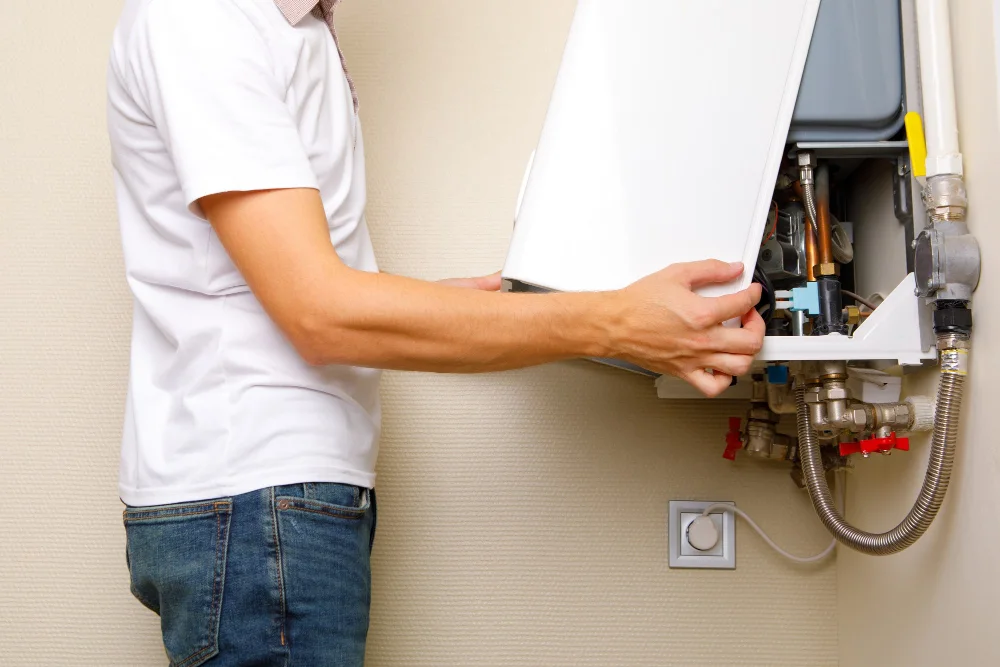
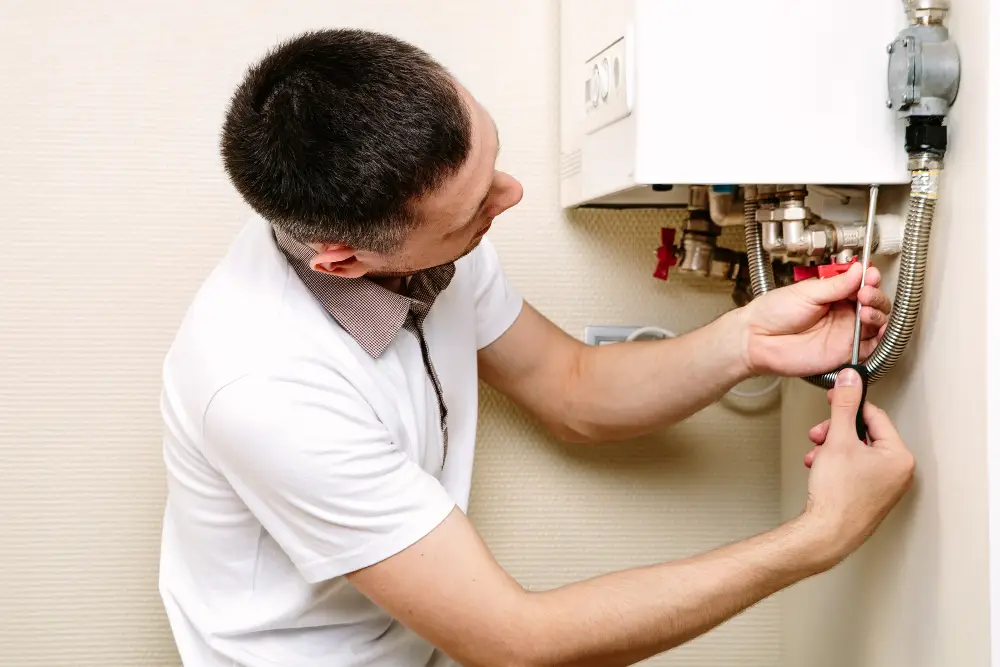
While occasional repairs are completely normal, there often comes a point where ongoing maintenance becomes increasingly expensive and inconvenient. Older boilers may struggle to meet modern household demands, particularly during colder months when heating systems are under greater pressure.
Recognising the warning signs early can help homeowners plan replacement more calmly rather than waiting for a complete breakdown during winter.
How Do You Know When a Boiler Is Becoming Unreliable?
Most boilers show gradual signs of decline before complete failure occurs.
Common warning signs include:
- Frequent breakdowns
- Inconsistent heating
- Rising repair bills
- Strange noises
- Pressure loss
- Slow hot water delivery
- Difficulty sourcing replacement parts
While some issues can be repaired successfully, repeated problems often indicate wider system wear rather than isolated faults.
For many households researching combi boiler replacement Deeside, reliability becomes just as important as efficiency when considering an upgrade.
If your heating system is becoming unreliable, contact CafGas for professional advice on whether repair or replacement may be the better option.
Can Older Boilers Affect Energy Efficiency?
Yes.
Older boilers are typically less efficient than modern condensing systems, particularly if the appliance has not been performing properly for some time.
Reduced efficiency may lead to:
| Common Issue | Potential Effect |
| Higher fuel consumption | Increased running costs |
| Uneven heating | Reduced comfort |
| Poor temperature control | Heating inconsistency |
| Longer heating cycles | Extra energy use |
Modern combi boilers are designed to improve heat retention and reduce unnecessary energy waste, particularly when paired with updated controls.
Is It Better to Repair or Replace an Older Boiler?
This depends on several factors, including:
- Boiler age
- Repair frequency
- Parts availability
- Overall system condition
- Running efficiency
In many cases, occasional repairs remain worthwhile. However, when repair costs become regular or significant, replacement may offer better long-term value.
Homeowners should also consider the inconvenience caused by repeated heating failures, especially during colder weather.
Why Do Repair Costs Sometimes Increase Over Time?
As boilers age, components naturally wear down.
Older systems may also develop:
- Sludge buildup
- Corrosion issues
- Pressure problems
- Declining heat exchanger performance
In some cases, replacement parts become harder to source, increasing labour time and overall repair expense.
This is one reason the overall boiler replacement cost can sometimes provide better value than repeated emergency repairs over several years.
Which fuel powers your boiler?
It just takes 2 minutes
And then you can book a free consultation
What Improvements Can a New Combi Boiler Offer?
A replacement system may help improve:
- Heating consistency
- Hot water performance
- Energy efficiency
- Noise levels
- Temperature control
- Reliability
Many homeowners also choose to upgrade heating controls during replacement, including:
- Smart thermostats
- Programmable timers
- Zoned heating controls
These additions can help households manage heating more efficiently while improving day-to-day comfort.
Should Boiler Age Influence Replacement Decisions?
Age alone does not automatically mean a boiler needs replacing, but older systems often require closer monitoring.
As a general guide:
| Boiler Age | Typical Considerations |
| Under 10 years | Repairs may still be worthwhile |
| 10-15 years | Efficiency and reliability should be reviewed |
| Over 15 years | Replacement may become more practical |
Regular servicing helps extend boiler lifespan, but no heating system lasts indefinitely.
Homeowners across Deeside and wider Flintshire often begin exploring replacement once repair frequency starts increasing noticeably.
Speak to CafGas if you would like a professional assessment of your current heating system and guidance on replacement suitability.
Can an Undersized Boiler Affect Comfort?
Yes.
Some older boilers were installed when household demand was much lower than it is today.
Changes such as:
- Additional bathrooms
- Home extensions
- Increased occupancy
- Higher hot water usage
can place extra strain on ageing systems.
An undersized boiler may struggle to:
- Maintain stable temperatures
- Deliver strong hot water flow
- Heat the property evenly
During replacement planning, installers should reassess the property requirements carefully rather than simply replacing the existing boiler with a similar model automatically.
A Typical Example of Delayed Boiler Replacement
A homeowner in Deeside continued repairing their ageing combi boiler for several winters after repeated breakdowns began occurring.
Initially, repairs appeared more affordable than replacement. However, over time the household experienced:
- Increasing call-out visits
- Unreliable hot water
- Higher energy use
- Difficulty finding replacement parts
Eventually, a replacement system was installed alongside upgraded controls and system cleaning.
The homeowner later found the heating more consistent, quieter, and easier to manage throughout the property.
This type of situation is common when older boilers begin reaching the end of their practical lifespan.
Why Does System Condition Matter During Replacement?
The boiler itself is only one part of the heating system.
Installers should also assess:
- Pipework condition
- Radiator performance
- Water cleanliness
- Existing controls
- Overall heating balance
Older systems sometimes require additional work such as flushing or filter installation to help protect the new appliance long term.
This preparation helps improve efficiency while reducing the risk of future problems.
What Questions Should Homeowners Ask Before Replacing a Boiler?
Before proceeding with installation, homeowners should ask:
Is the current boiler still economical to repair?
An engineer can help assess likely future repair costs.
Is the boiler correctly sized for the property?
Heating demand may have changed over time.
Are heating controls included?
Modern controls can improve efficiency significantly.
Will the system be flushed?
Cleaning helps protect the new boiler.
What warranty is available?
Warranty length may vary depending on installation standards and manufacturer requirements.
Clear communication helps homeowners compare options more confidently.
Final Thoughts
A boiler does not need to fail completely before replacement becomes the sensible option. Ongoing repairs, reduced efficiency, and unreliable heating can all affect household comfort and increase long-term costs over time.
Planning replacement early allows homeowners to compare systems carefully, understand installation requirements, and avoid the stress of emergency breakdowns during colder weather.
If your current boiler is becoming unreliable, CafGas can provide professional guidance and tailored advice on suitable replacement options for your home.


