 Up to 12 year labour warranty



Combi Boiler Replacement Deeside: What Happens to Your Existing Underfloor Heating System?
Replacing a combi boiler can feel like a simple appliance swap, especially if the current boiler is already in the right place. But if your home has underfloor heating, the installer needs to check more than the boiler on the wall.

Why you can trust our content
At CafGas CIC, we know choosing a new boiler can feel overwhelming, especially with so much conflicting advice online. That’s why we focus on clear guidance, honest recommendations, and trusted expertise to help homeowners make informed decisions about their heating systems.

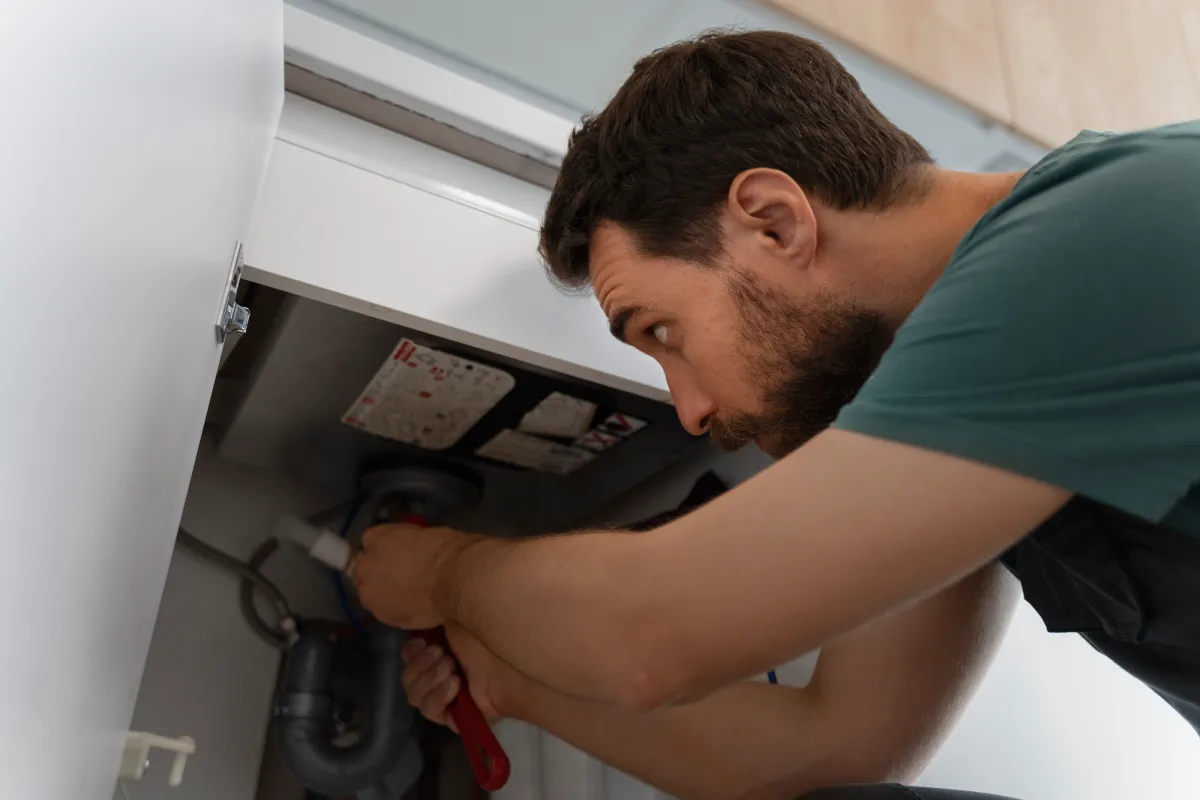
Underfloor heating relies on controls, flow temperature, circulation and zoning. If these parts are not checked during the replacement, the new boiler may work, but the floor heating may still be slow, uneven or difficult to manage.
For homeowners planning combi boiler replacement Deeside, the main question is not just “Which boiler should I choose?” It is also “Will the new boiler work properly with the heating system already in the house?” If you want your setup reviewed before replacing the boiler, speak to CAF Gas CIC for clear, practical advice.
Can You Keep Existing Underfloor Heating With a New Combi Boiler?
Yes, in many cases you can keep your existing water-based underfloor heating when replacing a combi boiler. The underfloor heating does not usually need to be removed just because the boiler is being upgraded.
However, the system should be checked before the replacement goes ahead. The installer needs to confirm that the manifold, controls, pump and pipework are suitable for the new boiler.
If the underfloor heating has worked well for years, the job may be straightforward. If it has always been slow, patchy or unreliable, the replacement is a good time to investigate the cause.
What Happens During a Combi Boiler Replacement?
A combi boiler replacement usually involves removing the old boiler, fitting the new appliance, connecting pipework, testing the flue, checking safety settings and commissioning the system.
Where underfloor heating is present, the installer should also check how the boiler connects to the wider heating system. This may include reviewing thermostats, heating zones and the underfloor heating manifold.
The process may include:
- Surveying the existing heating system
- Checking hot water demand and water flow
- Removing the old combi boiler
- Fitting the new boiler
- Connecting heating and hot water pipework
- Checking the underfloor heating controls
- Testing radiators and floor zones
- Commissioning the boiler
- Explaining the controls during handover
A proper replacement should leave the homeowner with a system that is safe, tested and easy to use.
Will Underfloor Heating Increase the Boiler Replacement Cost?
Underfloor heating can affect the boiler replacement cost if extra checks, control upgrades, balancing or system cleaning are needed. It does not automatically make the job expensive, but it can change the scope.
A basic replacement may be enough if the existing underfloor heating setup is in good condition. If the manifold needs attention, controls are outdated or the system has circulation problems, the quote may include extra work.
This is why a proper survey is important. It helps separate essential work from optional improvements.
| Possible Cost Area | Why It May Be Needed | Is It Always Required? |
| Control upgrades | To manage floor zones properly | No |
| System flushing | To remove sludge or debris | Depends on water condition |
| Magnetic filter | To protect the new boiler | Often recommended |
| Manifold checks | To confirm flow and zone control | Strongly recommended |
| Pipework changes | To suit the new boiler location or setup | Only if needed |
| Commissioning | To test boiler and heating operation | Yes |
Does the Manifold Need to Be Checked?
Yes, the manifold should be checked before or during the replacement. The manifold controls how warm water moves through the underfloor heating circuits.
If the manifold has a faulty pump, stuck actuator, poor flow or visible leak, the new combi boiler may not fix the heating issue. The boiler may be doing its job, but heat may not be reaching the floor loops properly.
The installer should check:
- Whether the manifold is accessible
- Whether the pump runs correctly
- Whether actuators open and close
- Whether there are signs of leaks
- Whether flow meters appear to work
- Whether each zone responds to the thermostat
For combi boiler replacement Deeside, these checks help avoid carrying old heating problems into a new installation.
Should Existing Controls Be Reused?
Existing controls can sometimes be reused, but they should not be assumed suitable without checking. Underfloor heating controls play a major role in comfort and efficiency.
If the current controls are reliable, properly zoned and compatible with the new boiler, they may be kept. If they are old, confusing or unable to separate radiators from underfloor heating, an upgrade may be sensible.
Signs controls may need attention include:
- Some rooms do not respond to thermostats
- The floor heating is very slow to warm
- Radiators and underfloor heating clash
- The heating runs when it should be off
- Thermostats lose connection
- The system is hard to programme
If your controls already feel unreliable, contact CAF Gas CIC before the replacement so they can be reviewed as part of the quote.
Can a New Combi Boiler Improve Underfloor Heating?
A new combi boiler may improve underfloor heating if the old boiler was underperforming, inefficient or unreliable. However, the boiler is only one part of the system.
If the underfloor heating issue is caused by a faulty thermostat, stuck actuator, poor flow or an unbalanced manifold, replacing the boiler alone may not solve it.
A new boiler can help when:
- The old boiler struggled to maintain heating demand
- Fault codes repeatedly interrupted heating
- Circulation was affected by boiler problems
- The boiler was inefficient or unreliable
- The system is cleaned and commissioned correctly
The best results usually come from replacing the boiler while also checking the wider heating setup.
What if the Underfloor Heating Has Never Worked Properly?
If the underfloor heating has never worked properly, the replacement appointment should not treat it as a minor detail. Long-standing issues often point to controls, pipework, balancing or manifold problems.
Tell the installer about any existing issues before the quote is prepared. This helps them plan the job properly and avoid promising results that a boiler replacement alone cannot deliver.
Useful details include:
- Which rooms are affected
- How long the problem has existed
- Whether radiators work normally
- Whether hot water is reliable
- Whether the boiler shows fault codes
- Whether any thermostat has been replaced
- Whether the manifold has been serviced
This information can save time and reduce the risk of extra costs later.
Which fuel powers your boiler?
It just takes 2 minutes
And then you can book a free consultation
Example Scenario: Replacing an Old Combi in a Mixed Heating Home
A Deeside homeowner has an old combi boiler, radiators upstairs and underfloor heating in a ground-floor kitchen extension. The boiler is unreliable, but the kitchen floor also takes a long time to warm up.
During the survey, the installer finds that the boiler does need replacing, but the underfloor heating controls are basic and the manifold pump needs checking.
In this case, the quote may include the boiler replacement, system protection and a control review. The homeowner then understands what the new boiler will solve and what additional work may be needed for the floor heating.
Can Radiators and Underfloor Heating Stay on the Same System?
Yes, radiators and underfloor heating can stay on the same heating system, provided the setup is correctly designed and controlled. Many homes use one boiler to serve both.
The important point is that radiators and underfloor heating may need different temperature and timing arrangements. Radiators heat quickly. Underfloor heating works more slowly and steadily.
A suitable setup may include:
- Separate thermostats
- Separate heating zones
- A working underfloor heating manifold
- Correct flow temperature control
- Balanced radiators
- Clear handover instructions
The homeowner should understand how each part of the system works after the replacement is complete.
What Should Be Included in the Quote?
A clear quote should explain exactly what is included in the boiler replacement and what is not. This is especially important when underfloor heating is involved.
The quote should cover:
- Boiler make and model
- Warranty length
- Labour
- Removal of old boiler
- Flue work
- Heating controls
- Magnetic filter
- System cleaning recommendation
- Underfloor heating checks
- Commissioning
- Handover
- Any exclusions
When comparing boiler replacement cost, make sure you are comparing the same scope of work. One quote may look cheaper because it excludes underfloor heating checks or control work.
How Long Does Replacement Usually Take?
Many straightforward combi boiler replacements can be completed within a day, but more complex jobs may take longer. Underfloor heating, control upgrades, flushing or pipework changes can add time.
A responsible installer should explain the likely timescale before work begins. They should also tell you whether any part of the underfloor heating system needs further investigation.
It is better for the job to be planned properly than rushed. A careful installation and handover can prevent issues after the engineer leaves.
Should You Replace or Repair the Existing Boiler?
If the boiler is relatively new and the fault is minor, a repair may be enough. If the boiler is old, unreliable, inefficient or expensive to keep fixing, replacement may be the better option.
Consider replacement if:
- The boiler breaks down repeatedly
- Parts are becoming harder to source
- Repair costs are rising
- Energy performance is poor
- The boiler struggles with heating demand
- You are upgrading controls or heating zones
- You want a better warranty
For combi boiler replacement Deeside, a proper assessment should give you honest advice on whether replacement is worthwhile.
How Can You Prepare Before the Installer Arrives?
Before the visit, it helps to clear access to the boiler, thermostat areas and underfloor heating manifold. If the manifold is hidden behind stored items, move them if it is safe to do so.
You can also make a short list of heating issues, including rooms that are slow to warm, pressure drops, hot water problems or control faults.
This helps the installer check the right areas and explain the work more clearly.
Final Advice Before Replacing Your Combi Boiler
Replacing a combi boiler should improve reliability, comfort and confidence in your heating system. But if your home has underfloor heating, the replacement should include proper checks around controls, manifold operation and system condition.
A good installation is not just about fitting the appliance. It is about making sure the full heating system works as it should. To discuss your property and get a tailored quote, speak to CAF Gas CIC before booking your replacement.
Final Thoughts
Your existing underfloor heating can usually remain in place when replacing a combi boiler, but it should be checked properly before and after the installation. The controls, manifold and flow through the system all affect how well the new boiler performs.
CAF Gas CIC can help Deeside homeowners plan a careful replacement with clear advice, proper checks and reliable installation support.
Related articles
Which fuel powers your boiler?
At a glance
Underfloor heating relies on controls, flow temperature, circulation and zoning. If these parts are not checked during the replacement, the new boiler may work, but the floor heating may still be slow, uneven or difficult to manage.
For homeowners planning combi boiler replacement Deeside, the main question is not just “Which boiler should I choose?” It is also “Will the new boiler work properly with the heating system already in the house?” If you want your setup reviewed before replacing the boiler, speak to CAF Gas CIC for clear, practical advice.
Can You Keep Existing Underfloor Heating With a New Combi Boiler?
Yes, in many cases you can keep your existing water-based underfloor heating when replacing a combi boiler. The underfloor heating does not usually need to be removed just because the boiler is being upgraded.
However, the system should be checked before the replacement goes ahead. The installer needs to confirm that the manifold, controls, pump and pipework are suitable for the new boiler.
If the underfloor heating has worked well for years, the job may be straightforward. If it has always been slow, patchy or unreliable, the replacement is a good time to investigate the cause.
What Happens During a Combi Boiler Replacement?
A combi boiler replacement usually involves removing the old boiler, fitting the new appliance, connecting pipework, testing the flue, checking safety settings and commissioning the system.
Where underfloor heating is present, the installer should also check how the boiler connects to the wider heating system. This may include reviewing thermostats, heating zones and the underfloor heating manifold.
The process may include:
- Surveying the existing heating system
- Checking hot water demand and water flow
- Removing the old combi boiler
- Fitting the new boiler
- Connecting heating and hot water pipework
- Checking the underfloor heating controls
- Testing radiators and floor zones
- Commissioning the boiler
- Explaining the controls during handover
A proper replacement should leave the homeowner with a system that is safe, tested and easy to use.
Will Underfloor Heating Increase the Boiler Replacement Cost?
Underfloor heating can affect the boiler replacement cost if extra checks, control upgrades, balancing or system cleaning are needed. It does not automatically make the job expensive, but it can change the scope.
A basic replacement may be enough if the existing underfloor heating setup is in good condition. If the manifold needs attention, controls are outdated or the system has circulation problems, the quote may include extra work.
This is why a proper survey is important. It helps separate essential work from optional improvements.
| Possible Cost Area | Why It May Be Needed | Is It Always Required? |
| Control upgrades | To manage floor zones properly | No |
| System flushing | To remove sludge or debris | Depends on water condition |
| Magnetic filter | To protect the new boiler | Often recommended |
| Manifold checks | To confirm flow and zone control | Strongly recommended |
| Pipework changes | To suit the new boiler location or setup | Only if needed |
| Commissioning | To test boiler and heating operation | Yes |
Does the Manifold Need to Be Checked?
Yes, the manifold should be checked before or during the replacement. The manifold controls how warm water moves through the underfloor heating circuits.
If the manifold has a faulty pump, stuck actuator, poor flow or visible leak, the new combi boiler may not fix the heating issue. The boiler may be doing its job, but heat may not be reaching the floor loops properly.
The installer should check:
- Whether the manifold is accessible
- Whether the pump runs correctly
- Whether actuators open and close
- Whether there are signs of leaks
- Whether flow meters appear to work
- Whether each zone responds to the thermostat
For combi boiler replacement Deeside, these checks help avoid carrying old heating problems into a new installation.
Should Existing Controls Be Reused?
Existing controls can sometimes be reused, but they should not be assumed suitable without checking. Underfloor heating controls play a major role in comfort and efficiency.
If the current controls are reliable, properly zoned and compatible with the new boiler, they may be kept. If they are old, confusing or unable to separate radiators from underfloor heating, an upgrade may be sensible.
Signs controls may need attention include:
- Some rooms do not respond to thermostats
- The floor heating is very slow to warm
- Radiators and underfloor heating clash
- The heating runs when it should be off
- Thermostats lose connection
- The system is hard to programme
If your controls already feel unreliable, contact CAF Gas CIC before the replacement so they can be reviewed as part of the quote.
Can a New Combi Boiler Improve Underfloor Heating?
A new combi boiler may improve underfloor heating if the old boiler was underperforming, inefficient or unreliable. However, the boiler is only one part of the system.
If the underfloor heating issue is caused by a faulty thermostat, stuck actuator, poor flow or an unbalanced manifold, replacing the boiler alone may not solve it.
A new boiler can help when:
- The old boiler struggled to maintain heating demand
- Fault codes repeatedly interrupted heating
- Circulation was affected by boiler problems
- The boiler was inefficient or unreliable
- The system is cleaned and commissioned correctly
The best results usually come from replacing the boiler while also checking the wider heating setup.
What if the Underfloor Heating Has Never Worked Properly?
If the underfloor heating has never worked properly, the replacement appointment should not treat it as a minor detail. Long-standing issues often point to controls, pipework, balancing or manifold problems.
Tell the installer about any existing issues before the quote is prepared. This helps them plan the job properly and avoid promising results that a boiler replacement alone cannot deliver.
Useful details include:
- Which rooms are affected
- How long the problem has existed
- Whether radiators work normally
- Whether hot water is reliable
- Whether the boiler shows fault codes
- Whether any thermostat has been replaced
- Whether the manifold has been serviced
This information can save time and reduce the risk of extra costs later.
Which fuel powers your boiler?
It just takes 2 minutes
And then you can book a free consultation
Example Scenario: Replacing an Old Combi in a Mixed Heating Home
A Deeside homeowner has an old combi boiler, radiators upstairs and underfloor heating in a ground-floor kitchen extension. The boiler is unreliable, but the kitchen floor also takes a long time to warm up.
During the survey, the installer finds that the boiler does need replacing, but the underfloor heating controls are basic and the manifold pump needs checking.
In this case, the quote may include the boiler replacement, system protection and a control review. The homeowner then understands what the new boiler will solve and what additional work may be needed for the floor heating.
Can Radiators and Underfloor Heating Stay on the Same System?
Yes, radiators and underfloor heating can stay on the same heating system, provided the setup is correctly designed and controlled. Many homes use one boiler to serve both.
The important point is that radiators and underfloor heating may need different temperature and timing arrangements. Radiators heat quickly. Underfloor heating works more slowly and steadily.
A suitable setup may include:
- Separate thermostats
- Separate heating zones
- A working underfloor heating manifold
- Correct flow temperature control
- Balanced radiators
- Clear handover instructions
The homeowner should understand how each part of the system works after the replacement is complete.
What Should Be Included in the Quote?
A clear quote should explain exactly what is included in the boiler replacement and what is not. This is especially important when underfloor heating is involved.
The quote should cover:
- Boiler make and model
- Warranty length
- Labour
- Removal of old boiler
- Flue work
- Heating controls
- Magnetic filter
- System cleaning recommendation
- Underfloor heating checks
- Commissioning
- Handover
- Any exclusions
When comparing boiler replacement cost, make sure you are comparing the same scope of work. One quote may look cheaper because it excludes underfloor heating checks or control work.
How Long Does Replacement Usually Take?
Many straightforward combi boiler replacements can be completed within a day, but more complex jobs may take longer. Underfloor heating, control upgrades, flushing or pipework changes can add time.
A responsible installer should explain the likely timescale before work begins. They should also tell you whether any part of the underfloor heating system needs further investigation.
It is better for the job to be planned properly than rushed. A careful installation and handover can prevent issues after the engineer leaves.
Should You Replace or Repair the Existing Boiler?
If the boiler is relatively new and the fault is minor, a repair may be enough. If the boiler is old, unreliable, inefficient or expensive to keep fixing, replacement may be the better option.
Consider replacement if:
- The boiler breaks down repeatedly
- Parts are becoming harder to source
- Repair costs are rising
- Energy performance is poor
- The boiler struggles with heating demand
- You are upgrading controls or heating zones
- You want a better warranty
For combi boiler replacement Deeside, a proper assessment should give you honest advice on whether replacement is worthwhile.
How Can You Prepare Before the Installer Arrives?
Before the visit, it helps to clear access to the boiler, thermostat areas and underfloor heating manifold. If the manifold is hidden behind stored items, move them if it is safe to do so.
You can also make a short list of heating issues, including rooms that are slow to warm, pressure drops, hot water problems or control faults.
This helps the installer check the right areas and explain the work more clearly.
Final Advice Before Replacing Your Combi Boiler
Replacing a combi boiler should improve reliability, comfort and confidence in your heating system. But if your home has underfloor heating, the replacement should include proper checks around controls, manifold operation and system condition.
A good installation is not just about fitting the appliance. It is about making sure the full heating system works as it should. To discuss your property and get a tailored quote, speak to CAF Gas CIC before booking your replacement.
Final Thoughts
Your existing underfloor heating can usually remain in place when replacing a combi boiler, but it should be checked properly before and after the installation. The controls, manifold and flow through the system all affect how well the new boiler performs.
CAF Gas CIC can help Deeside homeowners plan a careful replacement with clear advice, proper checks and reliable installation support.


