 Up to 12 year labour warranty


Boiler Repair in Deeside: When a Fault Should Lead to a Bigger Heating Review
Most homeowners expect the occasional boiler issue over the lifespan of a heating system. Minor repairs and routine maintenance are completely normal, particularly as boilers age.

Why you can trust our content
At CafGas CIC, we know choosing a new boiler can feel overwhelming, especially with so much conflicting advice online. That’s why we focus on clear guidance, honest recommendations, and trusted expertise to help homeowners make informed decisions about their heating systems.
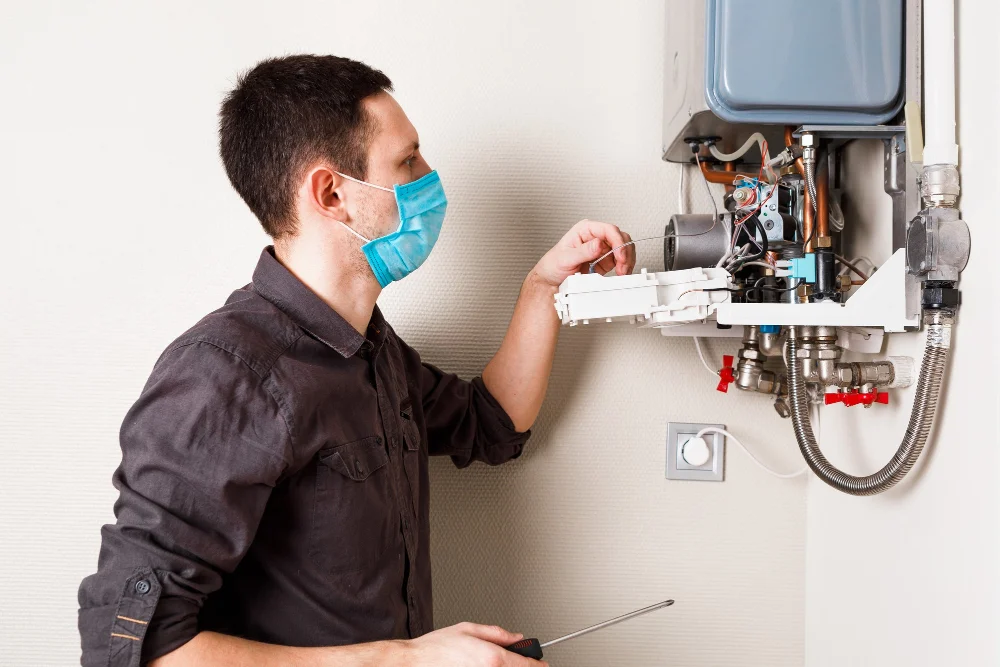
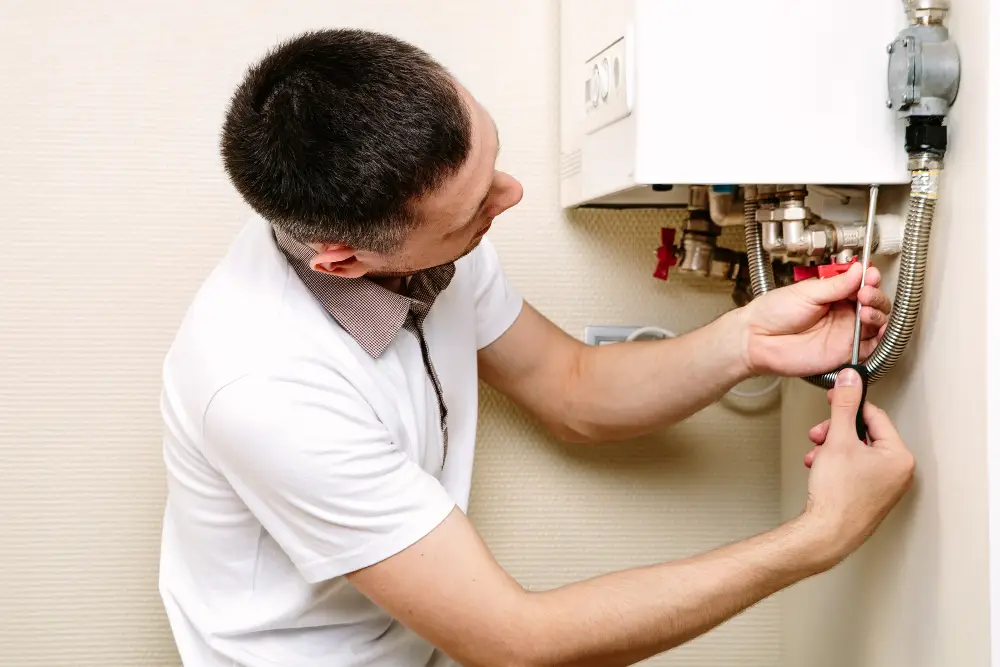
However, there comes a point where repeated faults may indicate a wider problem within the heating system rather than a single failed component. In these situations, focusing only on short-term repairs can sometimes lead to ongoing disruption, increasing costs, and reduced heating efficiency throughout the home.
Understanding when a repair should trigger a broader heating review can help homeowners make more informed long-term decisions.
Are Repeated Boiler Faults a Warning Sign?
In many cases, yes.
While isolated issues are often straightforward to fix, repeated breakdowns may suggest:
- Age-related wear
- Poor system efficiency
- Sludge buildup
- Incorrect boiler sizing
- Control problems
- Pipework issues
Frequent call-outs can also become stressful, particularly during colder weather when reliable heating is essential.
For many households arranging boiler repair Deeside services, the bigger concern is not a single fault itself but the growing uncertainty around long-term reliability.
If your heating system is becoming unreliable, contact CafGas for professional advice on whether repair or wider system assessment may be appropriate.
What Types of Faults Should Be Investigated Further?
Some boiler issues may indicate broader system concerns that should not be ignored.
Common examples include:
| Fault Type | Possible Underlying Cause |
| Pressure loss | Leaks or expansion vessel issues |
| Noisy operation | Sludge or trapped air |
| Uneven heating | Circulation or balancing problems |
| Repeated shutdowns | Control or component faults |
| Poor hot water performance | Sizing or heat exchanger concerns |
While these problems may sometimes be repairable individually, recurring issues often justify a more detailed inspection of the overall heating system.
How Can Sludge Affect Boiler Performance?
System sludge is one of the most common causes of heating inefficiency in older systems.
Over time, corrosion debris can build up within:
- Pipework
- Radiators
- Heat exchangers
This may lead to:
- Cold spots on radiators
- Noisy operation
- Reduced circulation
- Increased strain on the boiler
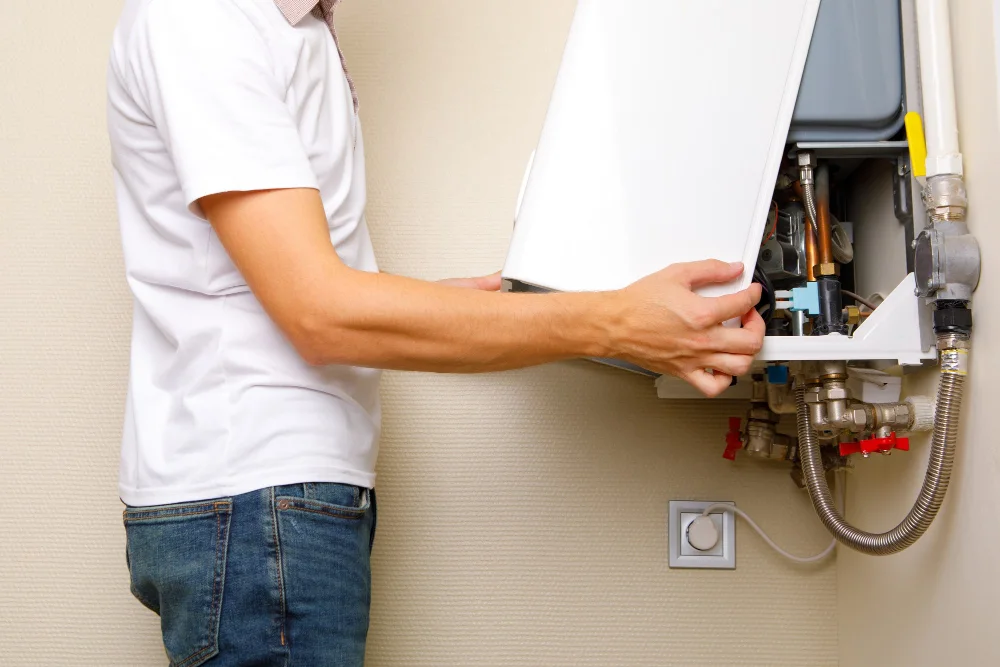
A repair may solve the immediate fault temporarily, but if sludge remains within the system, further problems can develop later.
Responsible engineers often recommend system flushing or magnetic filters alongside repairs where contamination is present.
When Does Boiler Age Become a Concern?
Boilers naturally become less reliable as components wear over time.
While there is no exact replacement age, systems over 10 to 15 years old may experience:
- More frequent faults
- Lower efficiency
- Difficulty sourcing replacement parts
- Higher running costs
At this stage, homeowners may begin comparing the ongoing boiler repair cost against the long-term value of replacement.
This does not automatically mean a new boiler is required, but it does make a wider heating review more worthwhile.
Which fuel powers your boiler?
It just takes 2 minutes
And then you can book a free consultation
Could the Heating Controls Be Causing Problems?
Yes.
Older controls may struggle to regulate heating efficiently, particularly in systems that have been updated gradually over many years.
Outdated controls can contribute to:
- Inconsistent temperatures
- Excessive boiler cycling
- Reduced efficiency
- Uneven heating patterns
Modern controls such as smart thermostats and programmable systems can often improve both comfort and energy management significantly.
Why Does Boiler Sizing Matter During Repairs?
An incorrectly sized boiler may experience greater strain over time.
An undersized system can struggle to meet demand during colder weather, while an oversized boiler may cycle on and off too frequently.
Either situation can increase wear on components and contribute to repeated faults.
During a broader heating review, installers may reassess:
| Property Factor | Why It Matters |
| Property size | Influences heating demand |
| Number of bathrooms | Affects hot water usage |
| Occupancy levels | Changes system demand |
| Insulation standards | Impacts heat retention |
This helps determine whether the current setup still suits the household properly.
Speak to CafGas if you would like a professional assessment of your heating system following repeated boiler faults or rising repair concerns.
Can Frequent Repairs Become More Expensive Long Term?
In many situations, yes.
Although a single repair may appear more affordable initially, repeated visits over several years can gradually increase overall spending.
Homeowners may also face:
- Emergency call-out charges
- Temporary heating loss
- Disruption during winter
- Difficulty sourcing parts for older systems
At a certain point, reviewing the wider system may become more cost-effective than continuing reactive repairs indefinitely.
A Typical Example of Ongoing Heating Problems
A homeowner in Deeside experienced several boiler shutdowns across two winters.
Initially, individual repairs resolved the immediate issues, but the faults kept returning in slightly different forms.
During a later heating review, engineers identified:
- Sludge buildup within the system
- Poor radiator circulation
- Outdated controls
- An ageing boiler operating inefficiently
Following system cleaning and updated controls, heating performance improved noticeably. The homeowner was then able to plan replacement calmly rather than waiting for a complete breakdown.
This type of scenario is common in older heating systems where multiple smaller issues gradually combine over time.
Should Homeowners Always Replace a Faulty Boiler?
No.
Many faults can still be repaired successfully, particularly on relatively modern systems that have been serviced properly.
A professional engineer should assess:
- Boiler age
- Fault history
- Repair frequency
- System condition
- Efficiency performance
The goal is to identify the most practical and cost-effective solution rather than automatically recommending replacement.
What Questions Should You Ask During a Repair Visit?
When arranging a boiler repair, homeowners should ask:
Is this an isolated fault or part of a wider issue?
Understanding the bigger picture helps long-term planning.
Is the heating system contaminated?
System cleaning may improve reliability.
Are replacement parts still readily available?
Parts availability can affect future repair practicality.
Would updated controls improve performance?
Modern controls may reduce strain on the system.
Is the boiler still efficient enough to justify ongoing repairs?
An engineer can help assess this realistically.
Final Thoughts
A single fault does not always mean a boiler needs replacing, but repeated heating problems can sometimes indicate deeper system concerns that should not be ignored.
Taking a broader view of the heating system helps homeowners understand whether continued repairs remain practical or whether improvements elsewhere may help restore efficiency and reliability more effectively.
If your heating system has become increasingly unreliable, CafGas can provide professional assessments and tailored advice to help you plan the most suitable next steps.
Related articles
Which fuel powers your boiler?
At a glance
However, there comes a point where repeated faults may indicate a wider problem within the heating system rather than a single failed component. In these situations, focusing only on short-term repairs can sometimes lead to ongoing disruption, increasing costs, and reduced heating efficiency throughout the home.
Understanding when a repair should trigger a broader heating review can help homeowners make more informed long-term decisions.
Are Repeated Boiler Faults a Warning Sign?
In many cases, yes.
While isolated issues are often straightforward to fix, repeated breakdowns may suggest:
- Age-related wear
- Poor system efficiency
- Sludge buildup
- Incorrect boiler sizing
- Control problems
- Pipework issues
Frequent call-outs can also become stressful, particularly during colder weather when reliable heating is essential.
For many households arranging boiler repair Deeside services, the bigger concern is not a single fault itself but the growing uncertainty around long-term reliability.
If your heating system is becoming unreliable, contact CafGas for professional advice on whether repair or wider system assessment may be appropriate.
What Types of Faults Should Be Investigated Further?
Some boiler issues may indicate broader system concerns that should not be ignored.
Common examples include:
| Fault Type | Possible Underlying Cause |
| Pressure loss | Leaks or expansion vessel issues |
| Noisy operation | Sludge or trapped air |
| Uneven heating | Circulation or balancing problems |
| Repeated shutdowns | Control or component faults |
| Poor hot water performance | Sizing or heat exchanger concerns |
While these problems may sometimes be repairable individually, recurring issues often justify a more detailed inspection of the overall heating system.
How Can Sludge Affect Boiler Performance?
System sludge is one of the most common causes of heating inefficiency in older systems.
Over time, corrosion debris can build up within:
- Pipework
- Radiators
- Heat exchangers
This may lead to:
- Cold spots on radiators
- Noisy operation
- Reduced circulation
- Increased strain on the boiler
A repair may solve the immediate fault temporarily, but if sludge remains within the system, further problems can develop later.
Responsible engineers often recommend system flushing or magnetic filters alongside repairs where contamination is present.
When Does Boiler Age Become a Concern?
Boilers naturally become less reliable as components wear over time.
While there is no exact replacement age, systems over 10 to 15 years old may experience:
- More frequent faults
- Lower efficiency
- Difficulty sourcing replacement parts
- Higher running costs
At this stage, homeowners may begin comparing the ongoing boiler repair cost against the long-term value of replacement.
This does not automatically mean a new boiler is required, but it does make a wider heating review more worthwhile.
Which fuel powers your boiler?
It just takes 2 minutes
And then you can book a free consultation
Could the Heating Controls Be Causing Problems?
Yes.
Older controls may struggle to regulate heating efficiently, particularly in systems that have been updated gradually over many years.
Outdated controls can contribute to:
- Inconsistent temperatures
- Excessive boiler cycling
- Reduced efficiency
- Uneven heating patterns
Modern controls such as smart thermostats and programmable systems can often improve both comfort and energy management significantly.
Why Does Boiler Sizing Matter During Repairs?
An incorrectly sized boiler may experience greater strain over time.
An undersized system can struggle to meet demand during colder weather, while an oversized boiler may cycle on and off too frequently.
Either situation can increase wear on components and contribute to repeated faults.
During a broader heating review, installers may reassess:
| Property Factor | Why It Matters |
| Property size | Influences heating demand |
| Number of bathrooms | Affects hot water usage |
| Occupancy levels | Changes system demand |
| Insulation standards | Impacts heat retention |
This helps determine whether the current setup still suits the household properly.
Speak to CafGas if you would like a professional assessment of your heating system following repeated boiler faults or rising repair concerns.
Can Frequent Repairs Become More Expensive Long Term?
In many situations, yes.
Although a single repair may appear more affordable initially, repeated visits over several years can gradually increase overall spending.
Homeowners may also face:
- Emergency call-out charges
- Temporary heating loss
- Disruption during winter
- Difficulty sourcing parts for older systems
At a certain point, reviewing the wider system may become more cost-effective than continuing reactive repairs indefinitely.
A Typical Example of Ongoing Heating Problems
A homeowner in Deeside experienced several boiler shutdowns across two winters.
Initially, individual repairs resolved the immediate issues, but the faults kept returning in slightly different forms.
During a later heating review, engineers identified:
- Sludge buildup within the system
- Poor radiator circulation
- Outdated controls
- An ageing boiler operating inefficiently
Following system cleaning and updated controls, heating performance improved noticeably. The homeowner was then able to plan replacement calmly rather than waiting for a complete breakdown.
This type of scenario is common in older heating systems where multiple smaller issues gradually combine over time.
Should Homeowners Always Replace a Faulty Boiler?
No.
Many faults can still be repaired successfully, particularly on relatively modern systems that have been serviced properly.
A professional engineer should assess:
- Boiler age
- Fault history
- Repair frequency
- System condition
- Efficiency performance
The goal is to identify the most practical and cost-effective solution rather than automatically recommending replacement.
What Questions Should You Ask During a Repair Visit?
When arranging a boiler repair, homeowners should ask:
Is this an isolated fault or part of a wider issue?
Understanding the bigger picture helps long-term planning.
Is the heating system contaminated?
System cleaning may improve reliability.
Are replacement parts still readily available?
Parts availability can affect future repair practicality.
Would updated controls improve performance?
Modern controls may reduce strain on the system.
Is the boiler still efficient enough to justify ongoing repairs?
An engineer can help assess this realistically.
Final Thoughts
A single fault does not always mean a boiler needs replacing, but repeated heating problems can sometimes indicate deeper system concerns that should not be ignored.
Taking a broader view of the heating system helps homeowners understand whether continued repairs remain practical or whether improvements elsewhere may help restore efficiency and reliability more effectively.
If your heating system has become increasingly unreliable, CafGas can provide professional assessments and tailored advice to help you plan the most suitable next steps.


