 Up to 12 year labour warranty


Boiler Installation Costs After a Breakdown: Why Planning Ahead Helps
A complete boiler breakdown often leaves homeowners facing a difficult decision at short notice. When heating and hot water suddenly stop working, especially during colder months, many people feel pressured to arrange a replacement quickly without fully exploring the available options.

Why you can trust our content
At CafGas CIC, we know choosing a new boiler can feel overwhelming, especially with so much conflicting advice online. That’s why we focus on clear guidance, honest recommendations, and trusted expertise to help homeowners make informed decisions about their heating systems.

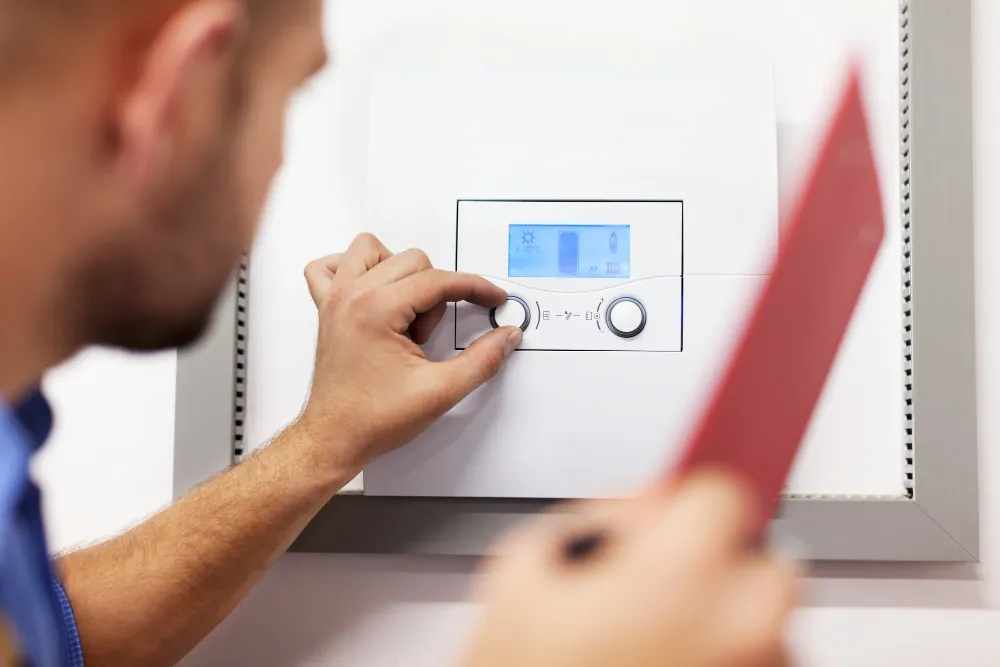
While some boilers can be repaired successfully, others may no longer be reliable or cost-effective to keep running. In these situations, homeowners are often left trying to understand installation pricing, system choices, and timescales while also dealing with the disruption of a failed heating system.
Planning ahead before a major breakdown happens can make the process far less stressful. It also gives homeowners more time to compare suitable systems, understand likely costs, and avoid rushed decisions.
If your current boiler has become unreliable, speaking to a heating professional early can help you understand your options before an urgent replacement becomes necessary.
Why do boiler breakdowns often lead to urgent replacements?
Many heating systems show warning signs for months before they fail completely. However, faults are often ignored because the boiler continues working intermittently.
Over time, ongoing wear can eventually result in:
- Complete loss of heating
- No hot water
- Repeated lockouts
- Major component failure
- Unsafe or unreliable operation
When this happens during winter, homeowners may feel pressure to replace the boiler as quickly as possible.
Urgent situations can sometimes limit the opportunity to properly compare systems, discuss long-term efficiency, or consider future household heating needs.
This is one reason why understanding likely boiler installation costs before a breakdown occurs can help homeowners make calmer, more informed decisions.
What influences the cost of a new boiler installation?
Several factors affect the total installation price. The boiler itself is only one part of the overall cost.
Other considerations include:
| Cost Factor | Why It Matters |
| Boiler type | Combi, system, and regular boilers vary in price |
| Property size | Larger homes may require higher output systems |
| Existing pipework | Older systems may need upgrades |
| Flue position | Installation complexity can affect labour |
| Heating controls | New thermostats or smart controls may be added |
| System cleaning | Powerflushing may be recommended |
The condition of the existing heating system can also affect installation work. Older properties sometimes require adjustments to pipework or radiators to ensure the new boiler operates efficiently.
In some cases, additional work identified during installation may influence final costs, particularly where long-term wear has affected other parts of the system.
Is replacing a boiler after a breakdown more expensive?
It can be. Emergency replacement situations sometimes involve higher labour demand, urgent scheduling, or additional repairs caused by the breakdown itself.
For example, a leaking boiler may damage nearby components or expose weaknesses elsewhere within the heating system.
Homeowners arranging a replacement urgently may also have less time to:
- Compare boiler models
- Consider finance options
- Assess energy efficiency
- Plan installation timing
- Review warranty choices
Planning ahead while the existing boiler is still operating can provide greater flexibility and reduce pressure during decision-making.
Which fuel powers your boiler?
It just takes 2 minutes
And then you can book a free consultation
How can planning ahead reduce disruption?
Replacing a boiler before complete failure often allows installations to be scheduled more conveniently.
This can help homeowners avoid:
- Extended periods without heating
- Temporary electric heater costs
- Winter emergency callouts
- Last-minute scheduling issues
- Limited installer availability
It also provides time to discuss which system best suits the property and household usage.
For example, some homes may benefit from upgrading to a more efficient combi system, while others may require a system boiler to meet higher hot water demand.
Early planning creates more opportunity to choose a solution based on long-term suitability rather than urgency alone.
If your boiler has started developing recurring faults, it may be worth discussing replacement options before the system becomes unreliable.
What signs suggest replacement may be approaching?
Not every boiler fault means replacement is necessary. However, repeated issues can indicate that the system is nearing the end of its practical lifespan.
Common signs include:
- Frequent breakdowns
- Rising repair bills
- Difficulty sourcing replacement parts
- Reduced heating efficiency
- Uneven radiator performance
- Unusual noises or leaks
- Increasing energy usage
Older boilers may also struggle to meet modern efficiency standards, particularly if they have not been upgraded for many years.
For some households, comparing ongoing repair expenses against the likely boiler replacement cost helps clarify whether continuing repairs remains worthwhile.
Does a newer boiler reduce running costs?
In many homes, modern boilers can improve heating efficiency compared to ageing systems.
Benefits may include:
- Faster heating response
- Improved energy efficiency
- Better temperature control
- Quieter operation
- More reliable hot water performance
Newer heating controls can also help homeowners manage usage more effectively throughout the year.
However, savings vary depending on the age and condition of the previous boiler, insulation levels within the property, and daily heating habits.
An installer can usually explain what level of efficiency improvement may realistically be expected based on the existing system.
What should homeowners ask before installation?
Understanding the installation process beforehand can help avoid confusion later.
Useful questions include:
- Which boiler type suits the property?
- What warranty is included?
- Will pipework changes be required?
- Is system cleaning recommended?
- How long will installation take?
- Are heating controls included?
- What servicing will be needed afterwards?
These discussions are often easier to have before an emergency situation develops.
A clear quotation should explain what is included within the installation price and identify any additional work that may be recommended.
A common homeowner scenario
A typical example involves a homeowner whose boiler has required several repairs over recent winters. The system continues working intermittently, but pressure problems and inconsistent heating become increasingly common.
Initially, repairs appear manageable. However, after another winter breakdown, the homeowner begins comparing long-term costs more carefully.
Following a professional assessment, it becomes clear that several ageing components are likely to require future attention.
Rather than continuing with repeated repairs, the homeowner chooses to plan a replacement installation during a quieter period before another emergency occurs.
This allows time to review different boiler options, schedule the installation conveniently, and avoid a rushed winter replacement.
Why does timing matter when replacing a boiler?
Timing can affect both convenience and decision-making quality.
During colder periods, heating engineers often experience increased demand due to breakdowns and urgent callouts. Planning ahead may provide:
| Planned Replacement | Emergency Replacement |
| More appointment flexibility | Limited scheduling availability |
| More time to compare systems | Faster decisions required |
| Reduced household disruption | Possible heating loss |
| Better preparation | Higher stress levels |
| Opportunity to budget gradually | Unexpected expense |
For homeowners considering future heating upgrades, proactive planning can often make the process smoother overall.
Final Thoughts
A sudden boiler failure can place homeowners under pressure to make quick decisions during an already stressful situation. Understanding likely installation costs and recognising early warning signs beforehand can make the process far more manageable.
For households in Deeside, planning ahead allows more time to assess suitable heating options, compare long-term value, and reduce the disruption associated with emergency replacements. CafGas CIC supports homeowners with practical heating advice, system assessments, and professional installation guidance tailored to the needs of the property.
If you are considering replacing an ageing boiler or want advice on future heating options, contact CafGas CIC to speak with our team.
Related articles
Which fuel powers your boiler?
At a glance
While some boilers can be repaired successfully, others may no longer be reliable or cost-effective to keep running. In these situations, homeowners are often left trying to understand installation pricing, system choices, and timescales while also dealing with the disruption of a failed heating system.
Planning ahead before a major breakdown happens can make the process far less stressful. It also gives homeowners more time to compare suitable systems, understand likely costs, and avoid rushed decisions.
If your current boiler has become unreliable, speaking to a heating professional early can help you understand your options before an urgent replacement becomes necessary.
Why do boiler breakdowns often lead to urgent replacements?
Many heating systems show warning signs for months before they fail completely. However, faults are often ignored because the boiler continues working intermittently.
Over time, ongoing wear can eventually result in:
- Complete loss of heating
- No hot water
- Repeated lockouts
- Major component failure
- Unsafe or unreliable operation
When this happens during winter, homeowners may feel pressure to replace the boiler as quickly as possible.
Urgent situations can sometimes limit the opportunity to properly compare systems, discuss long-term efficiency, or consider future household heating needs.
This is one reason why understanding likely boiler installation costs before a breakdown occurs can help homeowners make calmer, more informed decisions.
What influences the cost of a new boiler installation?
Several factors affect the total installation price. The boiler itself is only one part of the overall cost.
Other considerations include:
| Cost Factor | Why It Matters |
| Boiler type | Combi, system, and regular boilers vary in price |
| Property size | Larger homes may require higher output systems |
| Existing pipework | Older systems may need upgrades |
| Flue position | Installation complexity can affect labour |
| Heating controls | New thermostats or smart controls may be added |
| System cleaning | Powerflushing may be recommended |
The condition of the existing heating system can also affect installation work. Older properties sometimes require adjustments to pipework or radiators to ensure the new boiler operates efficiently.
In some cases, additional work identified during installation may influence final costs, particularly where long-term wear has affected other parts of the system.
Is replacing a boiler after a breakdown more expensive?
It can be. Emergency replacement situations sometimes involve higher labour demand, urgent scheduling, or additional repairs caused by the breakdown itself.
For example, a leaking boiler may damage nearby components or expose weaknesses elsewhere within the heating system.
Homeowners arranging a replacement urgently may also have less time to:
- Compare boiler models
- Consider finance options
- Assess energy efficiency
- Plan installation timing
- Review warranty choices
Planning ahead while the existing boiler is still operating can provide greater flexibility and reduce pressure during decision-making.
Which fuel powers your boiler?
It just takes 2 minutes
And then you can book a free consultation
How can planning ahead reduce disruption?
Replacing a boiler before complete failure often allows installations to be scheduled more conveniently.
This can help homeowners avoid:
- Extended periods without heating
- Temporary electric heater costs
- Winter emergency callouts
- Last-minute scheduling issues
- Limited installer availability
It also provides time to discuss which system best suits the property and household usage.
For example, some homes may benefit from upgrading to a more efficient combi system, while others may require a system boiler to meet higher hot water demand.
Early planning creates more opportunity to choose a solution based on long-term suitability rather than urgency alone.
If your boiler has started developing recurring faults, it may be worth discussing replacement options before the system becomes unreliable.
What signs suggest replacement may be approaching?
Not every boiler fault means replacement is necessary. However, repeated issues can indicate that the system is nearing the end of its practical lifespan.
Common signs include:
- Frequent breakdowns
- Rising repair bills
- Difficulty sourcing replacement parts
- Reduced heating efficiency
- Uneven radiator performance
- Unusual noises or leaks
- Increasing energy usage
Older boilers may also struggle to meet modern efficiency standards, particularly if they have not been upgraded for many years.
For some households, comparing ongoing repair expenses against the likely boiler replacement cost helps clarify whether continuing repairs remains worthwhile.
Does a newer boiler reduce running costs?
In many homes, modern boilers can improve heating efficiency compared to ageing systems.
Benefits may include:
- Faster heating response
- Improved energy efficiency
- Better temperature control
- Quieter operation
- More reliable hot water performance
Newer heating controls can also help homeowners manage usage more effectively throughout the year.
However, savings vary depending on the age and condition of the previous boiler, insulation levels within the property, and daily heating habits.
An installer can usually explain what level of efficiency improvement may realistically be expected based on the existing system.
What should homeowners ask before installation?
Understanding the installation process beforehand can help avoid confusion later.
Useful questions include:
- Which boiler type suits the property?
- What warranty is included?
- Will pipework changes be required?
- Is system cleaning recommended?
- How long will installation take?
- Are heating controls included?
- What servicing will be needed afterwards?
These discussions are often easier to have before an emergency situation develops.
A clear quotation should explain what is included within the installation price and identify any additional work that may be recommended.
A common homeowner scenario
A typical example involves a homeowner whose boiler has required several repairs over recent winters. The system continues working intermittently, but pressure problems and inconsistent heating become increasingly common.
Initially, repairs appear manageable. However, after another winter breakdown, the homeowner begins comparing long-term costs more carefully.
Following a professional assessment, it becomes clear that several ageing components are likely to require future attention.
Rather than continuing with repeated repairs, the homeowner chooses to plan a replacement installation during a quieter period before another emergency occurs.
This allows time to review different boiler options, schedule the installation conveniently, and avoid a rushed winter replacement.
Why does timing matter when replacing a boiler?
Timing can affect both convenience and decision-making quality.
During colder periods, heating engineers often experience increased demand due to breakdowns and urgent callouts. Planning ahead may provide:
| Planned Replacement | Emergency Replacement |
| More appointment flexibility | Limited scheduling availability |
| More time to compare systems | Faster decisions required |
| Reduced household disruption | Possible heating loss |
| Better preparation | Higher stress levels |
| Opportunity to budget gradually | Unexpected expense |
For homeowners considering future heating upgrades, proactive planning can often make the process smoother overall.
Final Thoughts
A sudden boiler failure can place homeowners under pressure to make quick decisions during an already stressful situation. Understanding likely installation costs and recognising early warning signs beforehand can make the process far more manageable.
For households in Deeside, planning ahead allows more time to assess suitable heating options, compare long-term value, and reduce the disruption associated with emergency replacements. CafGas CIC supports homeowners with practical heating advice, system assessments, and professional installation guidance tailored to the needs of the property.
If you are considering replacing an ageing boiler or want advice on future heating options, contact CafGas CIC to speak with our team.


