 Up to 12 year labour warranty


Boiler Fitter in Deeside: What They Check Before Recommending a System
Choosing a new boiler is not simply about selecting a popular brand or replacing like for like. A heating system should suit the property, household usage, and existing pipework to perform efficiently over the long term.

Why you can trust our content
At CafGas CIC, we know choosing a new boiler can feel overwhelming, especially with so much conflicting advice online. That’s why we focus on clear guidance, honest recommendations, and trusted expertise to help homeowners make informed decisions about their heating systems.

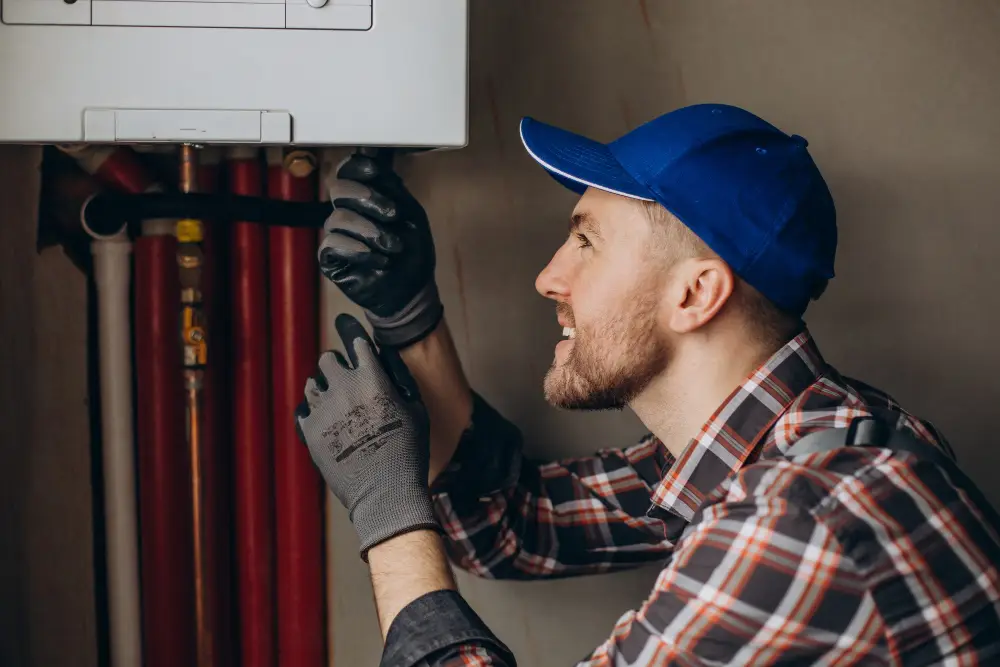
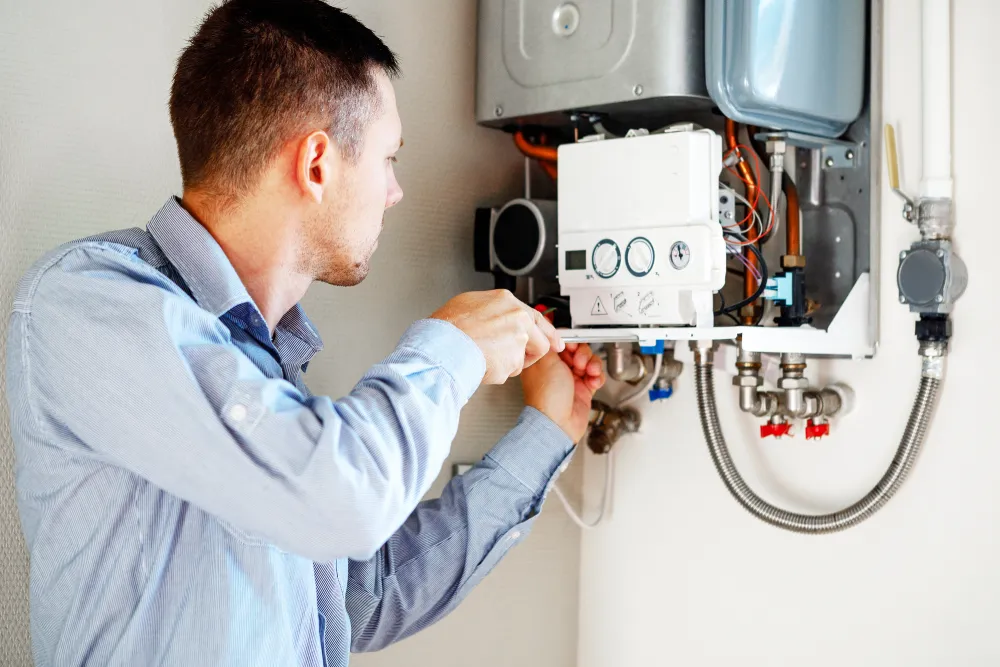
That is why experienced engineers spend time assessing a home properly before recommending a replacement system. A professional boiler fitter deeside will normally carry out several checks to make sure the boiler is correctly matched to the property and heating requirements.
Without these checks, homeowners can end up with systems that struggle to heat the home effectively, create inconsistent hot water supply, or cost more to run than expected.
Understanding what installers look for can help homeowners feel more confident when discussing options and comparing quotations.
If you are planning a boiler upgrade, contact CafGas CIC for practical advice and a professional home assessment.
Why is a home assessment important before installation?
Every property has different heating demands. A small flat with one bathroom will require a very different system compared to a larger detached family home.
A proper assessment helps installers determine:
- The correct boiler output
- Suitable boiler type
- Heating efficiency requirements
- Existing system condition
- Potential installation challenges
Skipping these checks can lead to oversized or undersized boilers, both of which may affect performance and efficiency.
A carefully planned installation is often more reliable and cost-effective over time.
What does a boiler fitter look at first?
One of the first things an installer usually checks is the existing heating system.
This includes reviewing:
| Area Checked | Why It Matters |
| Existing boiler age | Older systems may indicate wider upgrades are needed |
| Pipework condition | Poor pipework can affect efficiency |
| Radiator performance | Uneven heating may highlight system issues |
| Boiler location | Space and ventilation can affect replacement options |
| Hot water setup | Determines suitable boiler types |
A qualified boiler fitter deeside will also look at how the household currently uses heating and hot water on a daily basis.
How does household usage affect boiler choice?
Two homes of the same size can have completely different heating requirements depending on the number of occupants and how the property is used.
For example:
- A couple living in a two-bedroom home may have moderate hot water demand.
- A family with teenagers may require simultaneous showers and higher heating usage.
- Someone working from home may use heating consistently throughout the day.
Installers use this information to determine whether a combi, system, or conventional boiler is likely to provide the best balance of performance and efficiency.
Why does water pressure matter?
Water pressure is a key part of boiler performance, especially for combi systems.
Low mains pressure can affect:
- Shower performance
- Hot water flow rates
- Boiler efficiency
- Simultaneous hot water usage
During surveys for gas boiler installation deeside, installers may carry out pressure and flow rate checks to understand whether the existing supply can support the recommended system.
If pressure is too low, alternative solutions may be discussed before installation begins.
What happens if the radiators are old?
A new boiler is only one part of the heating system. Older radiators or blocked pipework can limit the effectiveness of even the most efficient boiler.
An installer may check for:
- Cold spots on radiators
- Sludge build-up
- Uneven heating
- Corrosion
- Leaks or weak joints
If the wider system is in poor condition, additional recommendations such as power flushing or radiator upgrades may be suggested.
This helps protect the new boiler and improve overall system performance.
CafGas CIC can assess your existing heating setup and explain any recommended improvements before installation work begins.
Is boiler size important?
Boiler size refers to output capacity rather than physical dimensions. Choosing the correct output is one of the most important parts of the recommendation process.
An undersized boiler may struggle to heat the home properly, while an oversized system can waste energy by cycling on and off unnecessarily.
Factors affecting boiler size include:
| Factor | Impact on Boiler Output |
| Number of radiators | More radiators increase demand |
| Bathrooms | Multiple bathrooms require higher output |
| Insulation levels | Better insulation may reduce heating demand |
| Property size | Larger spaces need more heating capacity |
| Hot water usage | Frequent usage affects combi suitability |
This is why installers avoid recommending systems based solely on the previous boiler already fitted in the property.
Which fuel powers your boiler?
It just takes 2 minutes
And then you can book a free consultation
What safety checks are carried out?
Safety is a major part of every installation assessment.
Before carrying out gas boiler installation deeside, engineers usually inspect:
- Gas pipe sizing
- Ventilation requirements
- Flue positioning
- Boiler location suitability
- Condensate drainage routes
Modern regulations are designed to improve efficiency and household safety, so some older installations may require upgrades before replacement work can proceed.
A qualified installer should explain these requirements clearly during the quotation stage.
What role do heating controls play?
Modern heating controls can improve both comfort and efficiency.
During surveys, installers may discuss options such as:
- Smart thermostats
- Zoned heating controls
- Programmable timers
- Weather compensation controls
These systems help homeowners manage energy usage more effectively while improving day-to-day heating control.
For many households, upgrading controls alongside a new boiler can make a noticeable difference in usability and running costs.
A typical example from a Deeside property
A homeowner living in a three-bedroom terraced property may initially request a direct boiler replacement after noticing increasing repair issues.
However, during the assessment, the installer discovers several additional factors:
- Poor water pressure upstairs
- Sludge affecting radiator performance
- Outdated heating controls
- Pipework limitations near the existing boiler
Instead of simply replacing the unit, the engineer recommends a more suitable boiler output, a system flush, and upgraded controls to improve overall performance.
This type of assessment helps avoid future problems and ensures the heating system works properly as a whole.
What should homeowners ask during a survey?
A boiler survey is also an opportunity for homeowners to ask practical questions before work begins.
Useful questions may include:
- Why are you recommending this boiler?
- Is this output suitable for my home?
- Will my radiators need upgrading?
- What warranty is included?
- Are smart controls available?
- How long will installation take?
- Will there be disruption to heating or hot water?
Clear communication is often a good sign that the installer is focusing on long-term reliability rather than rushing the process.
Why do detailed recommendations matter?
Boiler installations should never feel rushed or generic. A proper assessment helps ensure the heating system is designed around the property rather than chosen purely on price.
When homeowners understand what checks take place before installation, it becomes easier to compare quotations fairly and ask informed questions throughout the process.
A knowledgeable boiler fitter deeside will normally focus on performance, safety, efficiency, and long-term suitability rather than simply recommending the cheapest available option.
If you would like expert guidance on selecting the right heating system, speak to CafGas CIC for a tailored assessment and clear installation advice.
Final Thoughts
A new boiler should suit both the property and the people living in it. That is why professional assessments are such an important part of the installation process.
By checking everything from heating demand to water pressure and radiator condition, installers can recommend systems that provide reliable performance and long-term efficiency for households across Deeside.
CafGas CIC works with homeowners to provide clear advice, detailed assessments, and heating solutions designed around real household needs.
Related articles
Which fuel powers your boiler?
At a glance
That is why experienced engineers spend time assessing a home properly before recommending a replacement system. A professional boiler fitter deeside will normally carry out several checks to make sure the boiler is correctly matched to the property and heating requirements.
Without these checks, homeowners can end up with systems that struggle to heat the home effectively, create inconsistent hot water supply, or cost more to run than expected.
Understanding what installers look for can help homeowners feel more confident when discussing options and comparing quotations.
If you are planning a boiler upgrade, contact CafGas CIC for practical advice and a professional home assessment.
Why is a home assessment important before installation?
Every property has different heating demands. A small flat with one bathroom will require a very different system compared to a larger detached family home.
A proper assessment helps installers determine:
- The correct boiler output
- Suitable boiler type
- Heating efficiency requirements
- Existing system condition
- Potential installation challenges
Skipping these checks can lead to oversized or undersized boilers, both of which may affect performance and efficiency.
A carefully planned installation is often more reliable and cost-effective over time.
What does a boiler fitter look at first?
One of the first things an installer usually checks is the existing heating system.
This includes reviewing:
| Area Checked | Why It Matters |
| Existing boiler age | Older systems may indicate wider upgrades are needed |
| Pipework condition | Poor pipework can affect efficiency |
| Radiator performance | Uneven heating may highlight system issues |
| Boiler location | Space and ventilation can affect replacement options |
| Hot water setup | Determines suitable boiler types |
A qualified boiler fitter deeside will also look at how the household currently uses heating and hot water on a daily basis.
How does household usage affect boiler choice?
Two homes of the same size can have completely different heating requirements depending on the number of occupants and how the property is used.
For example:
- A couple living in a two-bedroom home may have moderate hot water demand.
- A family with teenagers may require simultaneous showers and higher heating usage.
- Someone working from home may use heating consistently throughout the day.
Installers use this information to determine whether a combi, system, or conventional boiler is likely to provide the best balance of performance and efficiency.
Why does water pressure matter?
Water pressure is a key part of boiler performance, especially for combi systems.
Low mains pressure can affect:
- Shower performance
- Hot water flow rates
- Boiler efficiency
- Simultaneous hot water usage
During surveys for gas boiler installation deeside, installers may carry out pressure and flow rate checks to understand whether the existing supply can support the recommended system.
If pressure is too low, alternative solutions may be discussed before installation begins.
What happens if the radiators are old?
A new boiler is only one part of the heating system. Older radiators or blocked pipework can limit the effectiveness of even the most efficient boiler.
An installer may check for:
- Cold spots on radiators
- Sludge build-up
- Uneven heating
- Corrosion
- Leaks or weak joints
If the wider system is in poor condition, additional recommendations such as power flushing or radiator upgrades may be suggested.
This helps protect the new boiler and improve overall system performance.
CafGas CIC can assess your existing heating setup and explain any recommended improvements before installation work begins.
Is boiler size important?
Boiler size refers to output capacity rather than physical dimensions. Choosing the correct output is one of the most important parts of the recommendation process.
An undersized boiler may struggle to heat the home properly, while an oversized system can waste energy by cycling on and off unnecessarily.
Factors affecting boiler size include:
| Factor | Impact on Boiler Output |
| Number of radiators | More radiators increase demand |
| Bathrooms | Multiple bathrooms require higher output |
| Insulation levels | Better insulation may reduce heating demand |
| Property size | Larger spaces need more heating capacity |
| Hot water usage | Frequent usage affects combi suitability |
This is why installers avoid recommending systems based solely on the previous boiler already fitted in the property.
Which fuel powers your boiler?
It just takes 2 minutes
And then you can book a free consultation
What safety checks are carried out?
Safety is a major part of every installation assessment.
Before carrying out gas boiler installation deeside, engineers usually inspect:
- Gas pipe sizing
- Ventilation requirements
- Flue positioning
- Boiler location suitability
- Condensate drainage routes
Modern regulations are designed to improve efficiency and household safety, so some older installations may require upgrades before replacement work can proceed.
A qualified installer should explain these requirements clearly during the quotation stage.
What role do heating controls play?
Modern heating controls can improve both comfort and efficiency.
During surveys, installers may discuss options such as:
- Smart thermostats
- Zoned heating controls
- Programmable timers
- Weather compensation controls
These systems help homeowners manage energy usage more effectively while improving day-to-day heating control.
For many households, upgrading controls alongside a new boiler can make a noticeable difference in usability and running costs.
A typical example from a Deeside property
A homeowner living in a three-bedroom terraced property may initially request a direct boiler replacement after noticing increasing repair issues.
However, during the assessment, the installer discovers several additional factors:
- Poor water pressure upstairs
- Sludge affecting radiator performance
- Outdated heating controls
- Pipework limitations near the existing boiler
Instead of simply replacing the unit, the engineer recommends a more suitable boiler output, a system flush, and upgraded controls to improve overall performance.
This type of assessment helps avoid future problems and ensures the heating system works properly as a whole.
What should homeowners ask during a survey?
A boiler survey is also an opportunity for homeowners to ask practical questions before work begins.
Useful questions may include:
- Why are you recommending this boiler?
- Is this output suitable for my home?
- Will my radiators need upgrading?
- What warranty is included?
- Are smart controls available?
- How long will installation take?
- Will there be disruption to heating or hot water?
Clear communication is often a good sign that the installer is focusing on long-term reliability rather than rushing the process.
Why do detailed recommendations matter?
Boiler installations should never feel rushed or generic. A proper assessment helps ensure the heating system is designed around the property rather than chosen purely on price.
When homeowners understand what checks take place before installation, it becomes easier to compare quotations fairly and ask informed questions throughout the process.
A knowledgeable boiler fitter deeside will normally focus on performance, safety, efficiency, and long-term suitability rather than simply recommending the cheapest available option.
If you would like expert guidance on selecting the right heating system, speak to CafGas CIC for a tailored assessment and clear installation advice.
Final Thoughts
A new boiler should suit both the property and the people living in it. That is why professional assessments are such an important part of the installation process.
By checking everything from heating demand to water pressure and radiator condition, installers can recommend systems that provide reliable performance and long-term efficiency for households across Deeside.
CafGas CIC works with homeowners to provide clear advice, detailed assessments, and heating solutions designed around real household needs.


