 Up to 12 year labour warranty


Boiler Finance in Deeside: Making a New Heating System More Manageable
A boiler replacement is rarely something homeowners plan for with excitement. It often becomes necessary when an older boiler starts breaking down, repair costs keep adding up, or the heating system no longer feels reliable enough for the household. For some homeowners, boiler finance Deeside can make a new heating system more manageable by spreading…

Why you can trust our content
At CafGas CIC, we know choosing a new boiler can feel overwhelming, especially with so much conflicting advice online. That’s why we focus on clear guidance, honest recommendations, and trusted expertise to help homeowners make informed decisions about their heating systems.

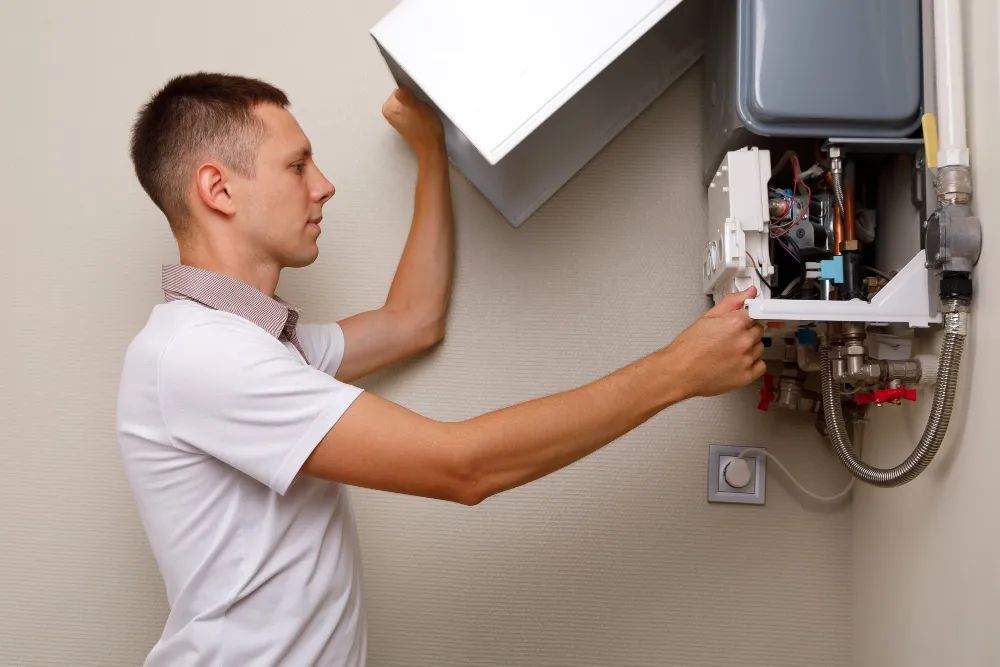
A boiler replacement is rarely something homeowners plan for with excitement. It often becomes necessary when an older boiler starts breaking down, repair costs keep adding up, or the heating system no longer feels reliable enough for the household.
For some homeowners, boiler finance Deeside can make a new heating system more manageable by spreading the cost instead of paying the full amount upfront. The key is to understand the finance terms, the full installation cost and whether the boiler being recommended is genuinely suitable for your home.
This guide explains how boiler finance works, what to check before agreeing to a payment plan and why the right boiler choice still matters more than the lowest monthly figure.
Why do homeowners consider boiler finance?
Boiler finance can be helpful when a replacement is needed, but paying upfront would put pressure on household savings. A boiler can fail at an inconvenient time, and even when it is still working, repeated faults can make replacement feel unavoidable.
Finance may be considered when:
- Your boiler has broken down unexpectedly
- Repair costs are becoming too frequent
- Your boiler is old and out of warranty
- Hot water performance is unreliable
- You want a modern, efficient boiler
- You prefer predictable monthly payments
- You do not want to use all your savings at once
- You want to replace the boiler before winter
Finance does not remove the cost. It spreads it. That means affordability, term length and total amount payable should all be checked carefully.
How does boiler finance work?
Boiler finance usually allows eligible homeowners to spread the cost of a new boiler and installation over an agreed repayment period. The exact terms depend on the finance provider and the offer available at the time.
A finance agreement may include:
| Finance detail | What to check |
| Deposit | Whether an upfront payment is required |
| Monthly payment | Whether it fits your household budget |
| Term length | How long repayments will continue |
| Interest rate or APR | How much borrowing may cost |
| Total amount payable | The full amount paid over the agreement |
| Eligibility | Whether credit checks or approval are required |
| Early repayment terms | Whether you can repay early and how |
| Included works | What installation items are covered |
Before agreeing, make sure you understand the full arrangement rather than focusing only on the monthly payment.
What can boiler finance include?
Finance may cover the boiler and agreed installation work, but you should always check the quote carefully. A complete installation can involve more than simply fitting the new appliance.
Depending on the agreed package, finance may include:
- Boiler supply
- Installation labour
- Flue parts
- Heating controls
- Magnetic filter
- System cleaning if required
- Pipework alterations
- Waste removal
- Warranty registration
- Commissioning
- Aftercare options
The cost for a new boiler installation should be clearly explained before finance is discussed. This helps you know what you are borrowing for and whether anything may be charged separately.
Is the lowest monthly payment always best?
Not necessarily. A low monthly payment can look appealing, but it may be linked to a longer repayment term, a different boiler option or a higher total amount payable over time.
When comparing finance options, look at:
- The boiler is being installed
- Whether it suits your home
- Warranty length
- What work is included
- Monthly payment
- Term length
- Total amount payable
- Servicing requirements
- Aftercare support
The aim is not simply to get the lowest monthly payment. The aim is to choose a suitable boiler, installed properly, with finance terms you understand and can manage comfortably.
Why does boiler suitability still matter?
Finance can make the payment easier to manage, but it does not change what your home needs. A cheaper boiler or basic package may reduce the monthly cost, but it may not provide the best long-term result if the boiler is poorly matched to the property.
A suitable boiler should be chosen based on:
- Property size
- Number of radiators
- Number of bathrooms
- Hot water usage
- Water pressure
- Current boiler type
- Existing pipework
- Heating controls
- Household routine
- Future plans for the property
A professional installer should explain why a particular boiler has been recommended and how it meets your heating and hot water needs.
When might finance be more sensible than another repair?
Finance may be worth considering when your boiler is becoming expensive or stressful to keep repairing. A one-off repair can be sensible, especially on a newer boiler. However, repeated repairs on an ageing boiler can quickly become frustrating.
You may want to compare repair and replacement if:
- Your boiler is over 10 to 15 years old
- It has needed several repairs recently
- Parts are becoming expensive
- The boiler is out of warranty
- The same fault keeps returning
- Your hot water is unreliable
- Radiators are slow to heat
- You are worried about winter breakdowns
In this situation, boiler finance Deeside may help you move from unpredictable repair costs to a planned monthly payment for a new system.
Which fuel powers your boiler?
It just takes 2 minutes
And then you can book a free consultation
What affects the final financed amount?
The final financed amount is based on the total cost of the agreed installation. This can vary between homes because each property has different requirements.
Factors that may affect the price include:
- Boiler brand and model
- Warranty length
- Boiler type
- Boiler output
- Whether the boiler stays in the same place
- Whether the boiler is being moved
- Flue requirements
- Condensate pipework
- Gas pipework
- Controls or thermostat
- Magnetic filter
- System clean or flush
- Access for engineers
- Waste removal
This is why it is important to get a proper quote first. Finance should be based on a clear installation scope, not a vague estimate.
Should finance cover extras such as controls and filters?
Where possible, it is worth understanding whether recommended extras are included. Some items may support long-term performance and boiler protection.
For example, a magnetic filter can help collect debris in the heating system, while suitable controls can help you manage heating more efficiently. System cleaning may also be recommended if the existing system contains sludge or poor-quality water.
These items can affect the upfront price, but leaving them out may not always be the best decision. If they are recommended, ask the installer to explain why.
What should you ask before agreeing to finance?
Before agreeing to any finance arrangement, ask clear questions. You should feel confident about the boiler, installation and payment terms.
Useful questions include:
- What boiler is being recommended and why?
- What is the full installed price?
- What deposit is required?
- What is the monthly payment?
- How long is the finance term?
- What is the interest rate or APR?
- What is the total amount payable?
- Can I repay early?
- What installation work is included?
- Are controls, filters or system cleaning included?
- What warranty is provided?
- Is annual servicing required?
A good company should answer these questions clearly and give you time to consider your options.
Example scenario: replacing an unreliable boiler without using savings
A Deeside homeowner has an older combi boiler that has needed several repairs in the last two years. The boiler still works, but hot water is inconsistent and the homeowner is worried it may fail during winter.
They receive a quote for replacement and consider paying upfront, but they prefer to keep savings available for other household costs. Finance gives them a way to spread the cost while replacing the boiler before a full breakdown happens.
The important part is that the homeowner checks the full terms, understands the total amount payable and chooses a boiler that suits the home rather than simply picking the lowest monthly payment.
Is boiler finance right for every homeowner?
No. Finance can be useful, but it is not the right choice for everyone. Some homeowners prefer to pay upfront if they have the funds available. Others may not want to enter into a credit agreement.
Finance may suit you if:
- You need a replacement soon
- You prefer monthly payments
- You want to preserve savings
- The repayment terms are affordable
- You understand the total amount payable
- The boiler recommendation is suitable
Finance may not suit you if:
- You are uncomfortable with credit
- The monthly payments feel stretched
- You can pay upfront without concern
- You do not understand the terms
- You feel pressured into a decision
A boiler replacement should improve peace of mind, not create extra financial stress.
How can aftercare support a financed boiler?
Aftercare is important because a new boiler should be serviced annually and looked after properly. Servicing may also be required to maintain warranty protection.
Aftercare can include:
- Annual servicing
- Boiler repairs
- Care plans
- Warranty advice
- Controls support
- Pressure checks
- Heating performance guidance
If you are spreading the cost of a boiler, it makes sense to protect the system with regular servicing and clear aftercare.
Final thoughts
Boiler finance can make a new heating system more manageable, especially when a replacement is needed sooner than expected. The most important thing is to understand the full cost, choose a suitable boiler and make sure the payment terms are comfortable.
CafGas CIC can explain your options clearly and help you compare boiler choices, installation costs and finance routes. If you are considering boiler finance in Deeside, contact our team for practical guidance and a tailored quote.
Related articles


Which fuel powers your boiler?
At a glance
A boiler replacement is rarely something homeowners plan for with excitement. It often becomes necessary when an older boiler starts breaking down, repair costs keep adding up, or the heating system no longer feels reliable enough for the household.
For some homeowners, boiler finance Deeside can make a new heating system more manageable by spreading the cost instead of paying the full amount upfront. The key is to understand the finance terms, the full installation cost and whether the boiler being recommended is genuinely suitable for your home.
This guide explains how boiler finance works, what to check before agreeing to a payment plan and why the right boiler choice still matters more than the lowest monthly figure.
Why do homeowners consider boiler finance?
Boiler finance can be helpful when a replacement is needed, but paying upfront would put pressure on household savings. A boiler can fail at an inconvenient time, and even when it is still working, repeated faults can make replacement feel unavoidable.
Finance may be considered when:
- Your boiler has broken down unexpectedly
- Repair costs are becoming too frequent
- Your boiler is old and out of warranty
- Hot water performance is unreliable
- You want a modern, efficient boiler
- You prefer predictable monthly payments
- You do not want to use all your savings at once
- You want to replace the boiler before winter
Finance does not remove the cost. It spreads it. That means affordability, term length and total amount payable should all be checked carefully.
How does boiler finance work?
Boiler finance usually allows eligible homeowners to spread the cost of a new boiler and installation over an agreed repayment period. The exact terms depend on the finance provider and the offer available at the time.
A finance agreement may include:
| Finance detail | What to check |
| Deposit | Whether an upfront payment is required |
| Monthly payment | Whether it fits your household budget |
| Term length | How long repayments will continue |
| Interest rate or APR | How much borrowing may cost |
| Total amount payable | The full amount paid over the agreement |
| Eligibility | Whether credit checks or approval are required |
| Early repayment terms | Whether you can repay early and how |
| Included works | What installation items are covered |
Before agreeing, make sure you understand the full arrangement rather than focusing only on the monthly payment.
What can boiler finance include?
Finance may cover the boiler and agreed installation work, but you should always check the quote carefully. A complete installation can involve more than simply fitting the new appliance.
Depending on the agreed package, finance may include:
- Boiler supply
- Installation labour
- Flue parts
- Heating controls
- Magnetic filter
- System cleaning if required
- Pipework alterations
- Waste removal
- Warranty registration
- Commissioning
- Aftercare options
The cost for a new boiler installation should be clearly explained before finance is discussed. This helps you know what you are borrowing for and whether anything may be charged separately.
Is the lowest monthly payment always best?
Not necessarily. A low monthly payment can look appealing, but it may be linked to a longer repayment term, a different boiler option or a higher total amount payable over time.
When comparing finance options, look at:
- The boiler is being installed
- Whether it suits your home
- Warranty length
- What work is included
- Monthly payment
- Term length
- Total amount payable
- Servicing requirements
- Aftercare support
The aim is not simply to get the lowest monthly payment. The aim is to choose a suitable boiler, installed properly, with finance terms you understand and can manage comfortably.
Why does boiler suitability still matter?
Finance can make the payment easier to manage, but it does not change what your home needs. A cheaper boiler or basic package may reduce the monthly cost, but it may not provide the best long-term result if the boiler is poorly matched to the property.
A suitable boiler should be chosen based on:
- Property size
- Number of radiators
- Number of bathrooms
- Hot water usage
- Water pressure
- Current boiler type
- Existing pipework
- Heating controls
- Household routine
- Future plans for the property
A professional installer should explain why a particular boiler has been recommended and how it meets your heating and hot water needs.
When might finance be more sensible than another repair?
Finance may be worth considering when your boiler is becoming expensive or stressful to keep repairing. A one-off repair can be sensible, especially on a newer boiler. However, repeated repairs on an ageing boiler can quickly become frustrating.
You may want to compare repair and replacement if:
- Your boiler is over 10 to 15 years old
- It has needed several repairs recently
- Parts are becoming expensive
- The boiler is out of warranty
- The same fault keeps returning
- Your hot water is unreliable
- Radiators are slow to heat
- You are worried about winter breakdowns
In this situation, boiler finance Deeside may help you move from unpredictable repair costs to a planned monthly payment for a new system.
Which fuel powers your boiler?
It just takes 2 minutes
And then you can book a free consultation
What affects the final financed amount?
The final financed amount is based on the total cost of the agreed installation. This can vary between homes because each property has different requirements.
Factors that may affect the price include:
- Boiler brand and model
- Warranty length
- Boiler type
- Boiler output
- Whether the boiler stays in the same place
- Whether the boiler is being moved
- Flue requirements
- Condensate pipework
- Gas pipework
- Controls or thermostat
- Magnetic filter
- System clean or flush
- Access for engineers
- Waste removal
This is why it is important to get a proper quote first. Finance should be based on a clear installation scope, not a vague estimate.
Should finance cover extras such as controls and filters?
Where possible, it is worth understanding whether recommended extras are included. Some items may support long-term performance and boiler protection.
For example, a magnetic filter can help collect debris in the heating system, while suitable controls can help you manage heating more efficiently. System cleaning may also be recommended if the existing system contains sludge or poor-quality water.
These items can affect the upfront price, but leaving them out may not always be the best decision. If they are recommended, ask the installer to explain why.
What should you ask before agreeing to finance?
Before agreeing to any finance arrangement, ask clear questions. You should feel confident about the boiler, installation and payment terms.
Useful questions include:
- What boiler is being recommended and why?
- What is the full installed price?
- What deposit is required?
- What is the monthly payment?
- How long is the finance term?
- What is the interest rate or APR?
- What is the total amount payable?
- Can I repay early?
- What installation work is included?
- Are controls, filters or system cleaning included?
- What warranty is provided?
- Is annual servicing required?
A good company should answer these questions clearly and give you time to consider your options.
Example scenario: replacing an unreliable boiler without using savings
A Deeside homeowner has an older combi boiler that has needed several repairs in the last two years. The boiler still works, but hot water is inconsistent and the homeowner is worried it may fail during winter.
They receive a quote for replacement and consider paying upfront, but they prefer to keep savings available for other household costs. Finance gives them a way to spread the cost while replacing the boiler before a full breakdown happens.
The important part is that the homeowner checks the full terms, understands the total amount payable and chooses a boiler that suits the home rather than simply picking the lowest monthly payment.
Is boiler finance right for every homeowner?
No. Finance can be useful, but it is not the right choice for everyone. Some homeowners prefer to pay upfront if they have the funds available. Others may not want to enter into a credit agreement.
Finance may suit you if:
- You need a replacement soon
- You prefer monthly payments
- You want to preserve savings
- The repayment terms are affordable
- You understand the total amount payable
- The boiler recommendation is suitable
Finance may not suit you if:
- You are uncomfortable with credit
- The monthly payments feel stretched
- You can pay upfront without concern
- You do not understand the terms
- You feel pressured into a decision
A boiler replacement should improve peace of mind, not create extra financial stress.
How can aftercare support a financed boiler?
Aftercare is important because a new boiler should be serviced annually and looked after properly. Servicing may also be required to maintain warranty protection.
Aftercare can include:
- Annual servicing
- Boiler repairs
- Care plans
- Warranty advice
- Controls support
- Pressure checks
- Heating performance guidance
If you are spreading the cost of a boiler, it makes sense to protect the system with regular servicing and clear aftercare.
Final thoughts
Boiler finance can make a new heating system more manageable, especially when a replacement is needed sooner than expected. The most important thing is to understand the full cost, choose a suitable boiler and make sure the payment terms are comfortable.
CafGas CIC can explain your options clearly and help you compare boiler choices, installation costs and finance routes. If you are considering boiler finance in Deeside, contact our team for practical guidance and a tailored quote.


