 Up to 12 year labour warranty


New Boiler Cost in Deeside vs Ongoing Repairs: A Practical Comparison
For many homeowners, deciding whether to continue repairing an older boiler or invest in a replacement is not always straightforward. A repair may seem like the cheaper option initially, especially if the boiler still works most of the time. However, repeated faults and declining efficiency can gradually increase household costs over time.

Why you can trust our content
At CafGas CIC, we know choosing a new boiler can feel overwhelming, especially with so much conflicting advice online. That’s why we focus on clear guidance, honest recommendations, and trusted expertise to help homeowners make informed decisions about their heating systems.

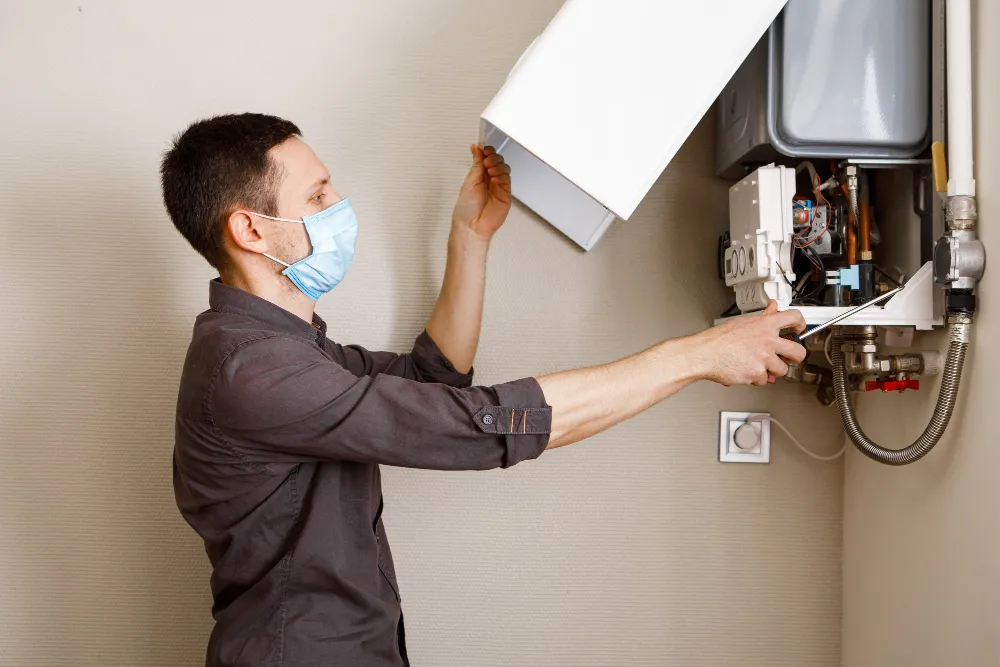
Heating systems naturally wear as they age, and while some boilers continue operating for many years, reliability often becomes less predictable once recurring repairs start appearing regularly.
Comparing the longer-term cost of repairs against replacement can help homeowners make more confident decisions about the future of their heating system.
If your boiler has started needing regular attention, speaking to a heating professional can help you assess whether repair or replacement is the more practical long-term option.
Why do repair costs increase over time?
Boilers are made up of multiple interconnected components. As systems age, wear on one part can gradually affect others, leading to more frequent callouts and rising maintenance costs.
Homeowners often experience:
- Increasing breakdown frequency
- Pressure problems
- Declining heating efficiency
- More expensive replacement parts
- Longer repair times
Initially, repairs may remain relatively affordable. However, repeated faults can eventually make ongoing maintenance less economical overall.
Older systems may also become harder to repair if parts are discontinued or difficult to source.
Is it always cheaper to keep repairing a boiler?
Not necessarily. While repairing a single fault may cost less in the short term, repeated repairs over several years can add up significantly.
A practical comparison usually involves considering:
| Ongoing Repairs | Boiler Replacement |
| Repeated engineer visits | Larger upfront investment |
| Increasing maintenance costs | Improved reliability |
| Possible emergency breakdowns | Modern efficiency standards |
| Older technology | New warranty protection |
| Unpredictable future faults | More stable running costs |
The right decision often depends on the boiler’s age, repair history, and overall condition.
For some households, continuing repairs remains sensible. For others, replacement becomes more practical once reliability starts affecting daily comfort and energy efficiency.
How does efficiency affect household spending?
An ageing boiler may still function, but older systems often operate less efficiently than modern alternatives.
Reduced efficiency can lead to:
- Higher gas consumption
- Longer heating cycles
- Uneven radiator performance
- Increased strain on components
- Rising monthly energy bills
Modern condensing boilers are designed to recover more heat during operation, which may improve overall efficiency compared to older models.
While savings vary between properties, some homeowners notice lower running costs after upgrading from an ageing system.
When researching the new boiler cost Deeside, many households are also comparing future energy savings and maintenance expectations rather than installation cost alone.
Which fuel powers your boiler?
It just takes 2 minutes
And then you can book a free consultation
What signs suggest repairs may no longer be worthwhile?
Several recurring issues can indicate that replacement discussions may be appropriate.
Common examples include:
- Multiple breakdowns within one year
- Repeated pressure loss
- Inconsistent hot water
- Strange noises becoming more frequent
- Corrosion or leaks
- Difficulty finding replacement parts
- Rising repair invoices
The age of the boiler also matters. While some systems remain dependable for many years, older boilers often become less predictable once faults begin appearing regularly.
A professional inspection can usually help determine whether further repairs are likely to remain reliable or whether replacement should be considered.
If your boiler has become unreliable, our team can help assess the condition of the system and explain the available replacement options clearly.
What contributes to the cost of a new boiler installation?
Several factors influence overall installation pricing.
These include:
| Installation Factor | Why It Affects Cost |
| Boiler type | Combi, system, and regular boilers vary in price |
| Property size | Larger homes may require higher output systems |
| Existing pipework | Some systems need upgrades or adjustments |
| Heating controls | Smart controls may be included |
| Flue location | Installation complexity can vary |
| System cleaning | Older systems may require flushing |
The total cost of new gas boiler installation also depends on the condition of the wider heating system and the work required to ensure the new boiler operates correctly.
A clear quotation should explain what is included and identify any additional recommendations that may benefit long-term performance.
Could replacing a boiler improve reliability?
In many homes, yes. Newer systems are generally designed to operate more efficiently and reliably than ageing boilers with ongoing faults.
Benefits may include:
- More consistent heating
- Faster hot water delivery
- Quieter operation
- Improved energy performance
- Reduced likelihood of breakdowns
- Better compatibility with modern controls
However, the quality of installation also plays a major role. A correctly sized and professionally fitted boiler is essential for reliable long-term operation.
Why do homeowners delay replacement decisions?
Many people continue repairing older boilers because:
- The boiler still works intermittently
- Replacement feels like a major expense
- Repairs appear manageable initially
- They hope to delay disruption
- Winter timing creates urgency
This is understandable, especially when faults appear gradually.
However, waiting until the boiler fails completely can sometimes lead to rushed decisions, limited appointment availability, and greater household disruption during colder periods.
Planning ahead while the existing boiler is still operational often provides more flexibility and time to compare suitable systems properly.
A common homeowner scenario
A typical homeowner may experience two or three relatively small repairs over a short period. Initially, each issue seems manageable and less expensive than replacing the boiler entirely.
Over time, however, the boiler begins developing additional problems. Pressure drops become more frequent, radiators heat unevenly, and energy bills slowly increase.
Eventually, the homeowner compares the combined cost of repeated repairs against the reliability and efficiency benefits of a replacement system.
Rather than waiting for a complete winter breakdown, they decide to plan installation during a quieter period when there is more time to review options carefully.
How important is long-term value?
Focusing only on the immediate repair bill can sometimes overlook wider long-term considerations.
Factors worth assessing include:
- Future repair likelihood
- Monthly running costs
- Household comfort
- Energy efficiency
- Warranty protection
- Reliability during winter
In many cases, homeowners are not simply comparing one repair against one installation quote. They are weighing ongoing uncertainty against longer-term stability.
Understanding the likely lifespan and condition of the current system helps create a more balanced decision.
Final Thoughts
Deciding between continued repairs and replacing a boiler is rarely just about immediate cost. Reliability, efficiency, future maintenance, and household comfort all play an important role in determining long-term value.
For homeowners in Deeside, understanding the condition of the existing system early can help avoid repeated disruption and support more informed heating decisions. CafGas CIC provides practical guidance, heating assessments, and professional installation support tailored to each property’s needs.
If you would like advice on whether your current boiler remains cost-effective to repair, contact CafGas CIC to discuss your options with our team.
Related articles
Which fuel powers your boiler?
At a glance
Heating systems naturally wear as they age, and while some boilers continue operating for many years, reliability often becomes less predictable once recurring repairs start appearing regularly.
Comparing the longer-term cost of repairs against replacement can help homeowners make more confident decisions about the future of their heating system.
If your boiler has started needing regular attention, speaking to a heating professional can help you assess whether repair or replacement is the more practical long-term option.
Why do repair costs increase over time?
Boilers are made up of multiple interconnected components. As systems age, wear on one part can gradually affect others, leading to more frequent callouts and rising maintenance costs.
Homeowners often experience:
- Increasing breakdown frequency
- Pressure problems
- Declining heating efficiency
- More expensive replacement parts
- Longer repair times
Initially, repairs may remain relatively affordable. However, repeated faults can eventually make ongoing maintenance less economical overall.
Older systems may also become harder to repair if parts are discontinued or difficult to source.
Is it always cheaper to keep repairing a boiler?
Not necessarily. While repairing a single fault may cost less in the short term, repeated repairs over several years can add up significantly.
A practical comparison usually involves considering:
| Ongoing Repairs | Boiler Replacement |
| Repeated engineer visits | Larger upfront investment |
| Increasing maintenance costs | Improved reliability |
| Possible emergency breakdowns | Modern efficiency standards |
| Older technology | New warranty protection |
| Unpredictable future faults | More stable running costs |
The right decision often depends on the boiler’s age, repair history, and overall condition.
For some households, continuing repairs remains sensible. For others, replacement becomes more practical once reliability starts affecting daily comfort and energy efficiency.
How does efficiency affect household spending?
An ageing boiler may still function, but older systems often operate less efficiently than modern alternatives.
Reduced efficiency can lead to:
- Higher gas consumption
- Longer heating cycles
- Uneven radiator performance
- Increased strain on components
- Rising monthly energy bills
Modern condensing boilers are designed to recover more heat during operation, which may improve overall efficiency compared to older models.
While savings vary between properties, some homeowners notice lower running costs after upgrading from an ageing system.
When researching the new boiler cost Deeside, many households are also comparing future energy savings and maintenance expectations rather than installation cost alone.
Which fuel powers your boiler?
It just takes 2 minutes
And then you can book a free consultation
What signs suggest repairs may no longer be worthwhile?
Several recurring issues can indicate that replacement discussions may be appropriate.
Common examples include:
- Multiple breakdowns within one year
- Repeated pressure loss
- Inconsistent hot water
- Strange noises becoming more frequent
- Corrosion or leaks
- Difficulty finding replacement parts
- Rising repair invoices
The age of the boiler also matters. While some systems remain dependable for many years, older boilers often become less predictable once faults begin appearing regularly.
A professional inspection can usually help determine whether further repairs are likely to remain reliable or whether replacement should be considered.
If your boiler has become unreliable, our team can help assess the condition of the system and explain the available replacement options clearly.
What contributes to the cost of a new boiler installation?
Several factors influence overall installation pricing.
These include:
| Installation Factor | Why It Affects Cost |
| Boiler type | Combi, system, and regular boilers vary in price |
| Property size | Larger homes may require higher output systems |
| Existing pipework | Some systems need upgrades or adjustments |
| Heating controls | Smart controls may be included |
| Flue location | Installation complexity can vary |
| System cleaning | Older systems may require flushing |
The total cost of new gas boiler installation also depends on the condition of the wider heating system and the work required to ensure the new boiler operates correctly.
A clear quotation should explain what is included and identify any additional recommendations that may benefit long-term performance.
Could replacing a boiler improve reliability?
In many homes, yes. Newer systems are generally designed to operate more efficiently and reliably than ageing boilers with ongoing faults.
Benefits may include:
- More consistent heating
- Faster hot water delivery
- Quieter operation
- Improved energy performance
- Reduced likelihood of breakdowns
- Better compatibility with modern controls
However, the quality of installation also plays a major role. A correctly sized and professionally fitted boiler is essential for reliable long-term operation.
Why do homeowners delay replacement decisions?
Many people continue repairing older boilers because:
- The boiler still works intermittently
- Replacement feels like a major expense
- Repairs appear manageable initially
- They hope to delay disruption
- Winter timing creates urgency
This is understandable, especially when faults appear gradually.
However, waiting until the boiler fails completely can sometimes lead to rushed decisions, limited appointment availability, and greater household disruption during colder periods.
Planning ahead while the existing boiler is still operational often provides more flexibility and time to compare suitable systems properly.
A common homeowner scenario
A typical homeowner may experience two or three relatively small repairs over a short period. Initially, each issue seems manageable and less expensive than replacing the boiler entirely.
Over time, however, the boiler begins developing additional problems. Pressure drops become more frequent, radiators heat unevenly, and energy bills slowly increase.
Eventually, the homeowner compares the combined cost of repeated repairs against the reliability and efficiency benefits of a replacement system.
Rather than waiting for a complete winter breakdown, they decide to plan installation during a quieter period when there is more time to review options carefully.
How important is long-term value?
Focusing only on the immediate repair bill can sometimes overlook wider long-term considerations.
Factors worth assessing include:
- Future repair likelihood
- Monthly running costs
- Household comfort
- Energy efficiency
- Warranty protection
- Reliability during winter
In many cases, homeowners are not simply comparing one repair against one installation quote. They are weighing ongoing uncertainty against longer-term stability.
Understanding the likely lifespan and condition of the current system helps create a more balanced decision.
Final Thoughts
Deciding between continued repairs and replacing a boiler is rarely just about immediate cost. Reliability, efficiency, future maintenance, and household comfort all play an important role in determining long-term value.
For homeowners in Deeside, understanding the condition of the existing system early can help avoid repeated disruption and support more informed heating decisions. CafGas CIC provides practical guidance, heating assessments, and professional installation support tailored to each property’s needs.
If you would like advice on whether your current boiler remains cost-effective to repair, contact CafGas CIC to discuss your options with our team.


