 Up to 12 year labour warranty


Boiler Repair Warning Signs That Deeside Homeowners Often Notice Too Late
A boiler rarely stops working without giving some form of warning first. In many homes, small performance changes appear weeks or even months before a complete breakdown happens. The difficulty is that these issues often seem minor at first, especially during milder weather when the heating system is not under constant demand.

Why you can trust our content
At CafGas CIC, we know choosing a new boiler can feel overwhelming, especially with so much conflicting advice online. That’s why we focus on clear guidance, honest recommendations, and trusted expertise to help homeowners make informed decisions about their heating systems.

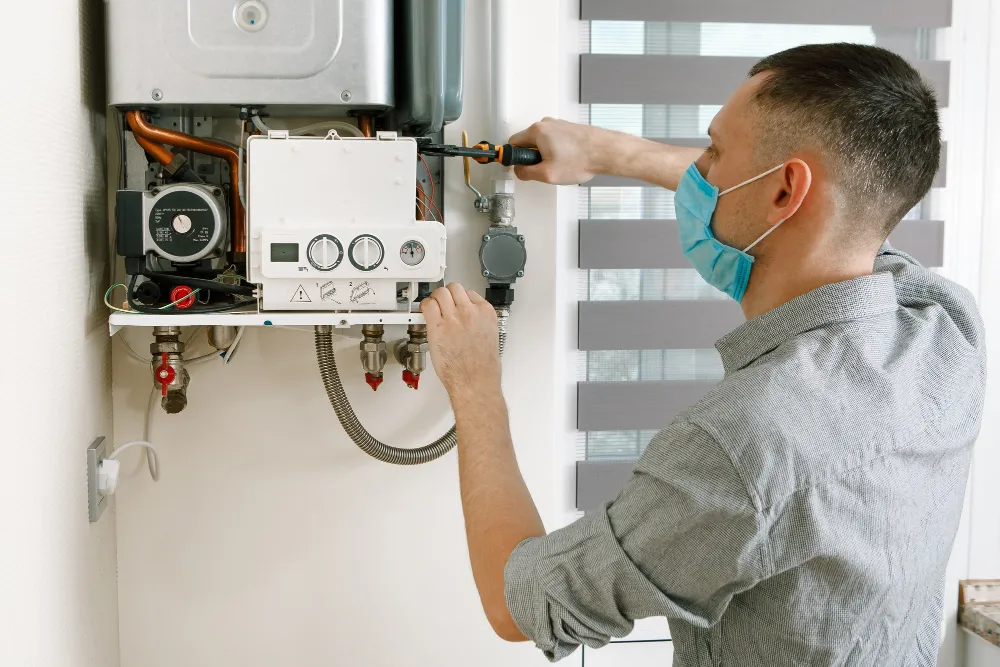
For homeowners, recognising the early signs can help prevent larger repairs, reduce disruption, and avoid losing heating or hot water unexpectedly. Many common faults become more expensive when left unresolved for too long.
Whether you live in a newer property or an older family home in Deeside, understanding what your boiler may be trying to tell you can help you act sooner and protect the lifespan of your heating system.
If your boiler has started behaving differently, it may be worth arranging a professional inspection before the issue worsens.
Why do boiler problems often go unnoticed?
Heating systems tend to work quietly in the background, so gradual changes are easy to overlook. A homeowner may adapt to slower heating performance or occasional pressure drops without realising a fault is developing.
Some warning signs also appear inconsistently. For example, a boiler might reset itself successfully several times before eventually failing altogether.
Common reasons faults are ignored include:
- Assuming noises are normal
- Delaying repairs until winter
- Expecting the issue to resolve itself
- Concern about repair costs
- Not recognising early symptoms
Unfortunately, small faults can place additional strain on key components, increasing wear over time.
What sounds from a boiler should concern homeowners?
Unusual noises are among the most common early indicators of heating system problems. While all boilers make some operational sound, changes in noise level or tone should not be ignored.
Sounds that may indicate a fault include:
| Boiler Noise | Possible Cause |
| Banging or knocking | Airlocks or limescale build-up |
| Whistling | Restricted water flow |
| Gurgling | Trapped air in the system |
| Clicking during ignition | Ignition or gas supply issue |
| Vibrating or humming | Pump or fan problem |
A noisy boiler does not always mean a major repair is required, but it is usually a sign that the system needs attention before additional damage develops.
In areas with harder water, scale accumulation inside the heat exchanger can gradually affect efficiency and circulation, especially in older systems.
Is fluctuating boiler pressure a warning sign?
Yes. Repeated pressure loss is often a sign that something within the heating system is no longer operating correctly.
Boiler pressure can fall due to:
- Small leaks around pipework or valves
- A faulty pressure relief valve
- Problems with the expansion vessel
- Bleeding radiators too frequently
- Internal component wear
If you regularly need to top up pressure using the filling loop, it is sensible to investigate the underlying cause rather than continually repressurising the system.
Sudden pressure increases can also signal a fault, particularly if the pressure gauge rises sharply when the heating is on.
Homeowners looking into boiler repair Deeside services often first contact an engineer after noticing pressure problems that have gradually become more frequent.
Why does a boiler keep switching itself off?
Boilers are designed with safety mechanisms that shut the appliance down if a fault is detected. While this protects the system, repeated shutdowns usually indicate that professional attention is needed.
Common reasons include:
- Low water pressure
- Faulty thermostats
- Pump circulation problems
- Frozen condensate pipes during winter
- Sensor or ignition faults
Intermittent shutdowns are sometimes dismissed because the boiler restarts successfully afterwards. However, repeated lockouts can point to worsening component failure.
Ignoring this type of issue may eventually lead to complete loss of heating or hot water during colder periods.
If your heating system keeps resetting or shutting down unexpectedly, speaking to a qualified engineer can help identify the fault before it becomes more disruptive.
Are higher energy bills linked to boiler faults?
In many cases, yes. A boiler operating inefficiently often needs to work harder and longer to heat the home properly.
Several hidden issues can reduce efficiency, including:
- Blocked heat exchangers
- Failing pumps
- Poor circulation
- Thermostat inaccuracies
- Sludge within the heating system
Homeowners sometimes notice rising gas bills before they notice any obvious heating problem.
If radiators are taking longer to warm up or some rooms remain cooler than others, the boiler may no longer be performing efficiently.
Older systems can also lose efficiency gradually over time, making it harder to recognise the decline without comparing energy usage year-on-year.
Which fuel powers your boiler?
It just takes 2 minutes
And then you can book a free consultation
What visual signs should you never ignore?
Visible signs around the boiler itself can often provide early clues that something is wrong.
Watch for:
- Water leaks beneath the boiler
- Corrosion around pipe connections
- Yellow pilot flames instead of blue
- Soot marks or staining
- Error codes appearing frequently
A healthy gas boiler flame should usually burn blue. A yellow or orange flame may indicate incomplete combustion and should be checked professionally.
Leaks should also never be ignored, even if they appear small. Water escaping from the system can damage nearby components and reduce internal pressure.
If you notice any unusual smells around the appliance, particularly metallic or burning odours, it is best to switch the boiler off and seek professional advice promptly.
How does delayed maintenance affect repair costs?
Small faults are generally easier and less expensive to resolve than larger system failures. Delaying maintenance can allow one worn component to affect several others.
For example:
| Early Issue | Possible Outcome if Ignored |
| Minor leak | Pump or PCB damage |
| Dirty system water | Heat exchanger failure |
| Low pressure | Boiler lockouts |
| Noisy operation | Reduced component lifespan |
| Faulty thermostat | Higher energy usage |
Regular servicing helps identify these issues before they become major disruptions.
Many homeowners only seek assistance once the heating stops completely, but preventative inspections can often reduce the likelihood of emergency repairs later.
This is particularly important during colder months when engineers may experience higher demand and longer waiting times.
When should you consider professional advice?
A single issue may not always mean a major fault is developing, but repeated symptoms should not be ignored.
You should consider arranging an inspection if your boiler:
- Frequently loses pressure
- Makes new or worsening noises
- Struggles to heat radiators evenly
- Requires regular resets
- Produces inconsistent hot water
- Shows recurring error codes
For some households, repairs remain practical and cost-effective. In other cases, especially with ageing systems, ongoing faults may indicate that replacement options are worth discussing.
Homeowners researching boiler repair solutions often benefit from understanding whether a repair is likely to offer long-term reliability or only temporary improvement.
A common example homeowners experience
In many Deeside homes, a boiler problem begins with something relatively minor, such as one radiator staying cooler than the others or pressure dropping occasionally.
Over time, the homeowner may notice:
- Heating taking longer each morning
- Louder operational noises
- Hot water temperatures fluctuating
- Higher monthly energy costs
By the time an engineer is contacted, several connected components may already be under strain.
Addressing these issues earlier often allows for simpler repair work and less disruption overall.
Final Thoughts
Boiler faults rarely appear without warning. Changes in pressure, unusual noises, inconsistent heating, or rising energy bills can all indicate that the system needs attention before a complete breakdown occurs.
For homeowners in Deeside, acting early can often help reduce repair costs, improve reliability, and minimise disruption during colder periods. CafGas CIC supports local households with practical heating advice, inspections, servicing, and repair support tailored to the condition of the existing system.
If you would like guidance on recurring boiler issues or want a professional assessment of your heating system, contact CafGas CIC to speak with our team.
Related articles
Which fuel powers your boiler?
At a glance
For homeowners, recognising the early signs can help prevent larger repairs, reduce disruption, and avoid losing heating or hot water unexpectedly. Many common faults become more expensive when left unresolved for too long.
Whether you live in a newer property or an older family home in Deeside, understanding what your boiler may be trying to tell you can help you act sooner and protect the lifespan of your heating system.
If your boiler has started behaving differently, it may be worth arranging a professional inspection before the issue worsens.
Why do boiler problems often go unnoticed?
Heating systems tend to work quietly in the background, so gradual changes are easy to overlook. A homeowner may adapt to slower heating performance or occasional pressure drops without realising a fault is developing.
Some warning signs also appear inconsistently. For example, a boiler might reset itself successfully several times before eventually failing altogether.
Common reasons faults are ignored include:
- Assuming noises are normal
- Delaying repairs until winter
- Expecting the issue to resolve itself
- Concern about repair costs
- Not recognising early symptoms
Unfortunately, small faults can place additional strain on key components, increasing wear over time.
What sounds from a boiler should concern homeowners?
Unusual noises are among the most common early indicators of heating system problems. While all boilers make some operational sound, changes in noise level or tone should not be ignored.
Sounds that may indicate a fault include:
| Boiler Noise | Possible Cause |
| Banging or knocking | Airlocks or limescale build-up |
| Whistling | Restricted water flow |
| Gurgling | Trapped air in the system |
| Clicking during ignition | Ignition or gas supply issue |
| Vibrating or humming | Pump or fan problem |
A noisy boiler does not always mean a major repair is required, but it is usually a sign that the system needs attention before additional damage develops.
In areas with harder water, scale accumulation inside the heat exchanger can gradually affect efficiency and circulation, especially in older systems.
Is fluctuating boiler pressure a warning sign?
Yes. Repeated pressure loss is often a sign that something within the heating system is no longer operating correctly.
Boiler pressure can fall due to:
- Small leaks around pipework or valves
- A faulty pressure relief valve
- Problems with the expansion vessel
- Bleeding radiators too frequently
- Internal component wear
If you regularly need to top up pressure using the filling loop, it is sensible to investigate the underlying cause rather than continually repressurising the system.
Sudden pressure increases can also signal a fault, particularly if the pressure gauge rises sharply when the heating is on.
Homeowners looking into boiler repair Deeside services often first contact an engineer after noticing pressure problems that have gradually become more frequent.
Why does a boiler keep switching itself off?
Boilers are designed with safety mechanisms that shut the appliance down if a fault is detected. While this protects the system, repeated shutdowns usually indicate that professional attention is needed.
Common reasons include:
- Low water pressure
- Faulty thermostats
- Pump circulation problems
- Frozen condensate pipes during winter
- Sensor or ignition faults
Intermittent shutdowns are sometimes dismissed because the boiler restarts successfully afterwards. However, repeated lockouts can point to worsening component failure.
Ignoring this type of issue may eventually lead to complete loss of heating or hot water during colder periods.
If your heating system keeps resetting or shutting down unexpectedly, speaking to a qualified engineer can help identify the fault before it becomes more disruptive.
Are higher energy bills linked to boiler faults?
In many cases, yes. A boiler operating inefficiently often needs to work harder and longer to heat the home properly.
Several hidden issues can reduce efficiency, including:
- Blocked heat exchangers
- Failing pumps
- Poor circulation
- Thermostat inaccuracies
- Sludge within the heating system
Homeowners sometimes notice rising gas bills before they notice any obvious heating problem.
If radiators are taking longer to warm up or some rooms remain cooler than others, the boiler may no longer be performing efficiently.
Older systems can also lose efficiency gradually over time, making it harder to recognise the decline without comparing energy usage year-on-year.
Which fuel powers your boiler?
It just takes 2 minutes
And then you can book a free consultation
What visual signs should you never ignore?
Visible signs around the boiler itself can often provide early clues that something is wrong.
Watch for:
- Water leaks beneath the boiler
- Corrosion around pipe connections
- Yellow pilot flames instead of blue
- Soot marks or staining
- Error codes appearing frequently
A healthy gas boiler flame should usually burn blue. A yellow or orange flame may indicate incomplete combustion and should be checked professionally.
Leaks should also never be ignored, even if they appear small. Water escaping from the system can damage nearby components and reduce internal pressure.
If you notice any unusual smells around the appliance, particularly metallic or burning odours, it is best to switch the boiler off and seek professional advice promptly.
How does delayed maintenance affect repair costs?
Small faults are generally easier and less expensive to resolve than larger system failures. Delaying maintenance can allow one worn component to affect several others.
For example:
| Early Issue | Possible Outcome if Ignored |
| Minor leak | Pump or PCB damage |
| Dirty system water | Heat exchanger failure |
| Low pressure | Boiler lockouts |
| Noisy operation | Reduced component lifespan |
| Faulty thermostat | Higher energy usage |
Regular servicing helps identify these issues before they become major disruptions.
Many homeowners only seek assistance once the heating stops completely, but preventative inspections can often reduce the likelihood of emergency repairs later.
This is particularly important during colder months when engineers may experience higher demand and longer waiting times.
When should you consider professional advice?
A single issue may not always mean a major fault is developing, but repeated symptoms should not be ignored.
You should consider arranging an inspection if your boiler:
- Frequently loses pressure
- Makes new or worsening noises
- Struggles to heat radiators evenly
- Requires regular resets
- Produces inconsistent hot water
- Shows recurring error codes
For some households, repairs remain practical and cost-effective. In other cases, especially with ageing systems, ongoing faults may indicate that replacement options are worth discussing.
Homeowners researching boiler repair solutions often benefit from understanding whether a repair is likely to offer long-term reliability or only temporary improvement.
A common example homeowners experience
In many Deeside homes, a boiler problem begins with something relatively minor, such as one radiator staying cooler than the others or pressure dropping occasionally.
Over time, the homeowner may notice:
- Heating taking longer each morning
- Louder operational noises
- Hot water temperatures fluctuating
- Higher monthly energy costs
By the time an engineer is contacted, several connected components may already be under strain.
Addressing these issues earlier often allows for simpler repair work and less disruption overall.
Final Thoughts
Boiler faults rarely appear without warning. Changes in pressure, unusual noises, inconsistent heating, or rising energy bills can all indicate that the system needs attention before a complete breakdown occurs.
For homeowners in Deeside, acting early can often help reduce repair costs, improve reliability, and minimise disruption during colder periods. CafGas CIC supports local households with practical heating advice, inspections, servicing, and repair support tailored to the condition of the existing system.
If you would like guidance on recurring boiler issues or want a professional assessment of your heating system, contact CafGas CIC to speak with our team.


