 Up to 12 year labour warranty


Combi Boiler Installation in Deeside: Preparing Your Home Before the Engineer Arrives
Replacing a boiler can feel like a major disruption, especially for households that have never experienced a heating upgrade before. While the installer will handle the technical side of the work, there are several practical steps homeowners can take beforehand to help the installation run more smoothly.

Why you can trust our content
At CafGas CIC, we know choosing a new boiler can feel overwhelming, especially with so much conflicting advice online. That’s why we focus on clear guidance, honest recommendations, and trusted expertise to help homeowners make informed decisions about their heating systems.

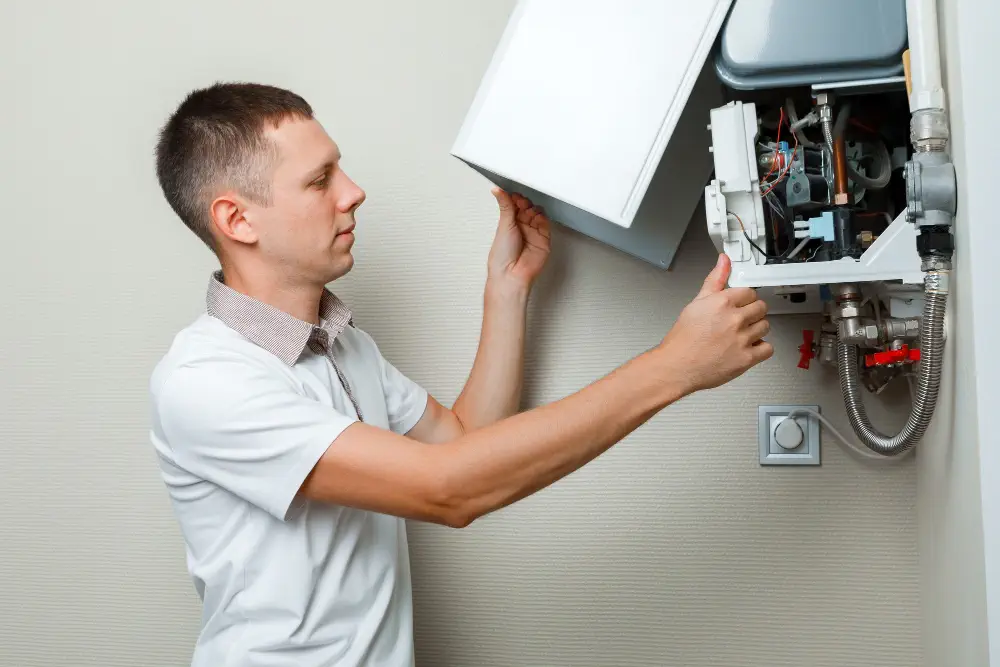
Preparation is not simply about clearing space around the boiler. It also involves understanding the installation process, knowing what work may take place, and ensuring the engineer has safe and practical access throughout the property.
Planning ahead can help reduce delays while making the installation day far less stressful for everyone involved.
Why Is Preparation Important Before Boiler Installation?
A boiler installation involves more than simply swapping one appliance for another.
Depending on the property and system layout, engineers may need access to:
- Pipework
- Radiators
- Heating controls
- Water supply areas
- Flue routes
- Electrical connections
Preparing these areas in advance helps installers work safely and efficiently while reducing unnecessary disruption inside the home.
Many households arranging combi boiler installation Deeside services are surprised by how much smoother the process feels when basic preparation has already been completed.
If you are planning a heating upgrade, contact CafGas for professional advice on preparing your home before installation day.
What Areas of the Home May Need Access?
The boiler location itself is only one part of the installation.
Engineers may also need temporary access to:
| Property Area | Why Access May Be Needed |
| Radiators | Testing and balancing |
| Pipework routes | Inspection or adjustments |
| Loft spaces | Flue or pipe access |
| Water supply areas | System checks |
| Thermostat locations | Control installation |
Ensuring these areas are reasonably accessible beforehand can help avoid delays during the fitting process.
Should Furniture Be Moved Before Installation?
Where possible, yes.
Homeowners do not need to empty entire rooms, but moving furniture or stored belongings away from key working areas can help engineers carry out the installation more safely.
This may include:
- Clearing cupboards around the boiler
- Moving items near radiators
- Creating access to controls
- Removing stored objects from airing cupboards
- Protecting delicate flooring if desired
Installers will usually take care to protect working areas, but preparation beforehand can still make the process easier.
What Happens During a Typical Combi Boiler Installation?
Every property is slightly different, but most installations follow a similar process.
Typical stages include:
| Installation Stage | What Happens |
| Boiler removal | Existing appliance disconnected |
| System preparation | Pipework and flushing work |
| New boiler fitting | Appliance and flue installed |
| Controls setup | Thermostat configuration |
| Safety checks | Gas and pressure testing |
| Demonstration | Homeowner shown system controls |
A professional installer should also explain how to operate the heating controls before leaving the property.
Will the Heating and Hot Water Be Turned Off?
Yes, at least temporarily.
During installation, the engineer will usually need to isolate the heating and hot water system while work is carried out.
Homeowners should therefore plan ahead where possible, particularly during colder weather or if vulnerable occupants are present within the property.
For most straightforward installations, disruption is relatively short-term.
Should Homeowners Expect Noise or Dust?
Some level of disruption is normal during installation work.
This may involve:
- Drilling for flue installation
- Pipework adjustments
- Removal of old equipment
- Movement of tools and materials
Professional installers will usually aim to minimise mess and disruption as much as possible.
If homeowners have concerns about flooring, pets, or specific access arrangements, it is always best to discuss these before installation day arrives.
Speak to CafGas if you would like advice about installation preparation, heating controls, or what to expect during your boiler upgrade.
Why Are Heating Controls Important with a New Combi Boiler?
Modern controls can make a significant difference to efficiency and comfort.
A new combi boiler Deeside homeowners install today will often include updated controls such as:
- Smart thermostats
- Programmable timers
- Zoned heating features
- Weather compensation technology
These systems help households manage temperatures more efficiently while reducing unnecessary heating use.
Installers should explain how the controls work and ensure homeowners feel comfortable using them before the job is completed.
Will Older Pipework Need Attention?
Sometimes.
During surveys or installation work, engineers may identify issues such as:
- Sludge within the system
- Ageing pipework
- Poor radiator performance
- Inconsistent water flow
Additional work may occasionally be recommended to support the long-term reliability of the new boiler.
This is particularly common in older properties across Deeside and wider Flintshire where heating systems may have been adapted repeatedly over time.
Which fuel powers your boiler?
It just takes 2 minutes
And then you can book a free consultation
A Typical Example of Home Preparation
A family in Deeside arranged a combi boiler replacement after experiencing repeated heating issues during winter.
Before installation day, they:
- Cleared access around the airing cupboard
- Moved furniture away from radiators
- Secured pets in another room
- Discussed parking access with the installer
Because preparation was handled in advance, the installation proceeded efficiently and with minimal disruption to the household.
Simple preparation often makes the overall experience much easier for both homeowners and engineers.
What Questions Should You Ask Before Installation Day?
Before work begins, homeowners should confirm:
How long will installation take?
Timescales vary depending on complexity.
Will controls be upgraded?
Modern controls often improve efficiency.
Is system flushing included?
Cleaning helps protect the new boiler.
Will there be any additional access requirements?
This helps homeowners prepare specific areas in advance.
What should be done before arrival?
Installers can explain any preparation needed for the property.
These conversations help avoid confusion and ensure expectations are clear from the beginning.
How Can Homeowners Make Installation Day Easier?
A few simple steps can make the process more manageable:
- Keep pathways clear
- Ensure children and pets are safely away from working areas
- Have contact details available if questions arise
- Ask for a demonstration before the engineer leaves
Good communication throughout the process often leads to a smoother installation experience overall.
Final Thoughts
Preparing your home before installation day can help reduce disruption and ensure the process runs as efficiently as possible. Understanding what work may take place also helps homeowners feel more confident throughout the upgrade.
A well-planned installation supports better communication, smoother working conditions, and stronger long-term heating performance.
If you are planning a combi boiler replacement, CafGas can provide professional guidance and tailored installation support for your property.
Related articles
Which fuel powers your boiler?
At a glance
Preparation is not simply about clearing space around the boiler. It also involves understanding the installation process, knowing what work may take place, and ensuring the engineer has safe and practical access throughout the property.
Planning ahead can help reduce delays while making the installation day far less stressful for everyone involved.
Why Is Preparation Important Before Boiler Installation?
A boiler installation involves more than simply swapping one appliance for another.
Depending on the property and system layout, engineers may need access to:
- Pipework
- Radiators
- Heating controls
- Water supply areas
- Flue routes
- Electrical connections
Preparing these areas in advance helps installers work safely and efficiently while reducing unnecessary disruption inside the home.
Many households arranging combi boiler installation Deeside services are surprised by how much smoother the process feels when basic preparation has already been completed.
If you are planning a heating upgrade, contact CafGas for professional advice on preparing your home before installation day.
What Areas of the Home May Need Access?
The boiler location itself is only one part of the installation.
Engineers may also need temporary access to:
| Property Area | Why Access May Be Needed |
| Radiators | Testing and balancing |
| Pipework routes | Inspection or adjustments |
| Loft spaces | Flue or pipe access |
| Water supply areas | System checks |
| Thermostat locations | Control installation |
Ensuring these areas are reasonably accessible beforehand can help avoid delays during the fitting process.
Should Furniture Be Moved Before Installation?
Where possible, yes.
Homeowners do not need to empty entire rooms, but moving furniture or stored belongings away from key working areas can help engineers carry out the installation more safely.
This may include:
- Clearing cupboards around the boiler
- Moving items near radiators
- Creating access to controls
- Removing stored objects from airing cupboards
- Protecting delicate flooring if desired
Installers will usually take care to protect working areas, but preparation beforehand can still make the process easier.
What Happens During a Typical Combi Boiler Installation?
Every property is slightly different, but most installations follow a similar process.
Typical stages include:
| Installation Stage | What Happens |
| Boiler removal | Existing appliance disconnected |
| System preparation | Pipework and flushing work |
| New boiler fitting | Appliance and flue installed |
| Controls setup | Thermostat configuration |
| Safety checks | Gas and pressure testing |
| Demonstration | Homeowner shown system controls |
A professional installer should also explain how to operate the heating controls before leaving the property.
Will the Heating and Hot Water Be Turned Off?
Yes, at least temporarily.
During installation, the engineer will usually need to isolate the heating and hot water system while work is carried out.
Homeowners should therefore plan ahead where possible, particularly during colder weather or if vulnerable occupants are present within the property.
For most straightforward installations, disruption is relatively short-term.
Should Homeowners Expect Noise or Dust?
Some level of disruption is normal during installation work.
This may involve:
- Drilling for flue installation
- Pipework adjustments
- Removal of old equipment
- Movement of tools and materials
Professional installers will usually aim to minimise mess and disruption as much as possible.
If homeowners have concerns about flooring, pets, or specific access arrangements, it is always best to discuss these before installation day arrives.
Speak to CafGas if you would like advice about installation preparation, heating controls, or what to expect during your boiler upgrade.
Why Are Heating Controls Important with a New Combi Boiler?
Modern controls can make a significant difference to efficiency and comfort.
A new combi boiler Deeside homeowners install today will often include updated controls such as:
- Smart thermostats
- Programmable timers
- Zoned heating features
- Weather compensation technology
These systems help households manage temperatures more efficiently while reducing unnecessary heating use.
Installers should explain how the controls work and ensure homeowners feel comfortable using them before the job is completed.
Will Older Pipework Need Attention?
Sometimes.
During surveys or installation work, engineers may identify issues such as:
- Sludge within the system
- Ageing pipework
- Poor radiator performance
- Inconsistent water flow
Additional work may occasionally be recommended to support the long-term reliability of the new boiler.
This is particularly common in older properties across Deeside and wider Flintshire where heating systems may have been adapted repeatedly over time.
Which fuel powers your boiler?
It just takes 2 minutes
And then you can book a free consultation
A Typical Example of Home Preparation
A family in Deeside arranged a combi boiler replacement after experiencing repeated heating issues during winter.
Before installation day, they:
- Cleared access around the airing cupboard
- Moved furniture away from radiators
- Secured pets in another room
- Discussed parking access with the installer
Because preparation was handled in advance, the installation proceeded efficiently and with minimal disruption to the household.
Simple preparation often makes the overall experience much easier for both homeowners and engineers.
What Questions Should You Ask Before Installation Day?
Before work begins, homeowners should confirm:
How long will installation take?
Timescales vary depending on complexity.
Will controls be upgraded?
Modern controls often improve efficiency.
Is system flushing included?
Cleaning helps protect the new boiler.
Will there be any additional access requirements?
This helps homeowners prepare specific areas in advance.
What should be done before arrival?
Installers can explain any preparation needed for the property.
These conversations help avoid confusion and ensure expectations are clear from the beginning.
How Can Homeowners Make Installation Day Easier?
A few simple steps can make the process more manageable:
- Keep pathways clear
- Ensure children and pets are safely away from working areas
- Have contact details available if questions arise
- Ask for a demonstration before the engineer leaves
Good communication throughout the process often leads to a smoother installation experience overall.
Final Thoughts
Preparing your home before installation day can help reduce disruption and ensure the process runs as efficiently as possible. Understanding what work may take place also helps homeowners feel more confident throughout the upgrade.
A well-planned installation supports better communication, smoother working conditions, and stronger long-term heating performance.
If you are planning a combi boiler replacement, CafGas can provide professional guidance and tailored installation support for your property.


