 Up to 12 year labour warranty


Identifying When to Book Professional Boiler Repairs in Deeside
Boiler problems can be frustrating because they are not always easy to understand. One day the system seems fine, and the next you may have no hot water, low pressure, strange noises or radiators that will not heat properly. The difficulty is knowing whether it is a minor issue, something you can safely check yourself,…

Why you can trust our content
At CafGas CIC, we know choosing a new boiler can feel overwhelming, especially with so much conflicting advice online. That’s why we focus on clear guidance, honest recommendations, and trusted expertise to help homeowners make informed decisions about their heating systems.

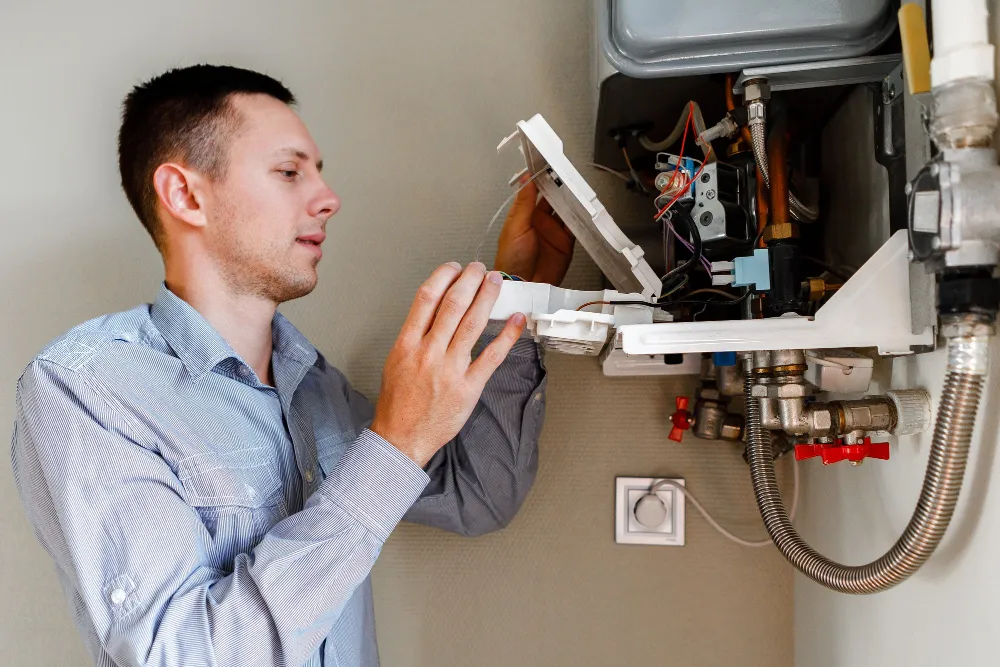
Boiler problems can be frustrating because they are not always easy to understand. One day the system seems fine, and the next you may have no hot water, low pressure, strange noises or radiators that will not heat properly. The difficulty is knowing whether it is a minor issue, something you can safely check yourself, or a problem that needs a qualified engineer.
If you are looking for boiler repair in Deeside, the safest approach is to act early when warning signs appear. A professional inspection can help identify the cause, reduce the risk of further damage and confirm whether the boiler can be repaired or whether replacement should be discussed.
This guide explains when to call a local engineer, what signs should not be ignored and what to expect from a proper inspection.
What are the most common signs of a boiler problem?
Some boiler faults are obvious, such as having no heating or hot water. Others build up slowly and are easier to ignore. The earlier you notice a change, the easier it may be to prevent a bigger issue.
Common signs include:
- No heating
- No hot water
- Hot water running hot and cold
- Low boiler pressure
- Pressure dropping repeatedly
- Radiators staying cold
- Radiators heating unevenly
- Banging, gurgling or whistling noises
- Boiler switching itself off
- Error codes on the display
- Leaks around the boiler
- Pilot light or ignition problems
- Unusual smells near the appliance
Not every issue means the boiler has failed. Some problems are linked to controls, pressure, radiators or wider system faults. However, if the issue keeps returning, it should be checked by an engineer.
When should you call an engineer straight away?
Some situations need urgent attention. If there is any sign of a gas leak or carbon monoxide risk, do not wait for a standard appointment.
You should act immediately if:
- You smell gas
- The carbon monoxide alarm activates
- You feel dizzy, sick or unusually tired near the boiler
- The boiler flame is yellow or lazy instead of a strong blue flame
- There are scorch marks around the appliance
- The boiler is leaking heavily
- Water is near electrical components
- The boiler casing appears damaged
If you smell gas, turn off the gas supply at the meter if it is safe, open windows, do not use electrical switches or naked flames, and contact the National Gas Emergency Service immediately.
For other urgent heating issues, a local engineer can advise whether a priority inspection is needed.
Can homeowners safely check anything first?
Yes, there are a few simple checks homeowners can make before booking a visit, as long as there are no signs of danger. These checks should not involve opening the boiler casing or attempting gas work.
You can check:
| Simple check | What to look for |
| Boiler pressure | Is the gauge below the normal range? |
| Thermostat | Is it set correctly and calling for heat? |
| Programmer or timer | Are the heating times correct? |
| Power supply | Has the boiler switched off at the spur? |
| Error code | Is there a code showing on the display? |
| Radiators | Are some cold while others heat normally? |
| Condensate pipe | Is it frozen in cold weather? |
| Gas supply | Are other gas appliances working? |
If these checks do not solve the issue, or the problem keeps returning, it is time to book boiler repair.
Why does low boiler pressure keep happening?
Low pressure is one of the most common boiler concerns. A one-off pressure drop may happen after radiator bleeding or minor system changes, but repeated pressure loss usually needs investigation.
Possible causes include:
- Small leaks in pipework
- Radiator valve leaks
- Expansion vessel issues
- Pressure relief valve problems
- Faulty filling loop
- Leaks inside the boiler
- Air in the heating system
Topping up pressure repeatedly is not a long-term fix. If your boiler keeps losing pressure, an engineer should inspect the system and identify the cause.
Which fuel powers your boiler?
It just takes 2 minutes
And then you can book a free consultation
What do unusual boiler noises mean?
Boiler noises can have several causes. Some may be linked to air in the system, while others may suggest circulation problems, sludge, overheating or component wear.
Common noises include:
- Banging
- Gurgling
- Whistling
- Kettling
- Humming
- Vibrating
A noisy boiler should not be ignored if the sound is new, loud or getting worse. The issue may be simple, but it can also point to poor water circulation or internal strain on the appliance.
Why might hot water stop working?
If your heating works but your hot water does not, the problem may be linked to a valve, sensor, flow issue or control fault. With combi boilers, hot water problems are especially noticeable because the boiler heats water on demand.
Common hot water issues include:
- Water running hot, then cold
- No hot water at all
- Hot water is only working when heating is on
- Weak hot water flow
- Boiler firing up, then cutting out
A qualified engineer can test the boiler safely and identify whether the fault is with the boiler, controls, water flow or wider system.
When is boiler repair better than replacement?
A repair may be the sensible option when the boiler is still in good condition and the fault is isolated. Not every breakdown should lead straight to replacement.
Repair may be suitable if:
- The boiler is relatively new
- Parts are available
- The repair cost is reasonable
- The boiler has been serviced regularly
- It has not had repeated breakdowns
- The system still meets household demand
- There are no major safety concerns
For homeowners arranging boiler repair in Deeside, a good engineer should explain whether the repair is likely to be a short-term fix or a reliable solution.
When should replacement be discussed instead?
Replacement may need to be discussed if the boiler is old, inefficient or becoming unreliable. This does not mean you have to make an immediate decision, but it is useful to understand your options before the next breakdown.
Replacement may be more sensible if:
- The boiler is over 10 to 15 years old
- Repairs are becoming frequent
- Parts are expensive or difficult to source
- The boiler is out of warranty
- Heating performance is poor
- Hot water demand has increased
- Energy use has risen noticeably
- The engineer identifies serious wear
- You no longer trust the boiler through winter
A balanced engineer should not push replacement unnecessarily. They should help you compare repair value against long-term reliability.
What should happen during an engineer’s inspection?
A professional inspection should be structured and safe. The engineer should investigate the symptoms, check the boiler and explain what they find in plain English.
Depending on the fault, they may check:
- Boiler pressure
- Fault codes
- Ignition sequence
- Pump operation
- Expansion vessel
- Diverter valve
- Heat exchanger condition
- Condensate pipe
- Thermostat and controls
- Radiator circulation
- Visible leaks
- Flue and combustion safety were required
After the inspection, you should understand the likely cause, whether a repair is possible, what parts may be needed and whether any wider heating issues are involved.
Example scenario: a pressure problem in a Deeside home
A homeowner in Deeside notices the boiler pressure drops every few days. They keep topping it up, and the boiler works again for a while. After a few weeks, the pressure loss becomes more frequent, and the heating starts cutting out.
An engineer inspects the system and finds a small leak at a radiator valve, along with signs that the expansion vessel may need attention. In this case, the visible problem was low pressure, but the cause needed proper investigation.
Without an inspection, the homeowner may have continued topping up the pressure without solving the underlying issue.
How can regular servicing reduce repair risk?
Annual servicing can help identify early warning signs before they turn into bigger problems. It also supports safe operation and may be required to maintain warranty cover.
A service may include checks on:
- Boiler condition
- Safety components
- Flue performance
- Combustion
- Seals
- Controls
- Leaks or corrosion
- General operation
Servicing does not guarantee a boiler will never break down, but it can reduce risk and help homeowners plan repairs or replacement before problems become urgent.
What should you ask before booking a repair?
Before booking an engineer, ask practical questions so you understand the process.
Useful questions include:
- Are your engineers Gas Safe registered?
- What information do you need before visiting?
- Is there a callout charge?
- Can you inspect both the boiler and the wider system?
- What happens if parts are needed?
- Do you explain repair versus replacement options?
- Do you offer annual servicing?
- Are care plans available?
Good communication before the visit helps you know what to expect.
Final thoughts
Boiler problems are easier to manage when they are checked early. Whether the issue is pressure loss, no hot water, unusual noises or repeated shutdowns, a local engineer can inspect the system and explain the safest next step.
CafGas CIC supports homeowners with boiler repair, servicing, care plans and replacement advice. If you need boiler repair in Deeside, contact our team for practical guidance and a professional inspection.
Related articles
Which fuel powers your boiler?
At a glance
Boiler problems can be frustrating because they are not always easy to understand. One day the system seems fine, and the next you may have no hot water, low pressure, strange noises or radiators that will not heat properly. The difficulty is knowing whether it is a minor issue, something you can safely check yourself, or a problem that needs a qualified engineer.
If you are looking for boiler repair in Deeside, the safest approach is to act early when warning signs appear. A professional inspection can help identify the cause, reduce the risk of further damage and confirm whether the boiler can be repaired or whether replacement should be discussed.
This guide explains when to call a local engineer, what signs should not be ignored and what to expect from a proper inspection.
What are the most common signs of a boiler problem?
Some boiler faults are obvious, such as having no heating or hot water. Others build up slowly and are easier to ignore. The earlier you notice a change, the easier it may be to prevent a bigger issue.
Common signs include:
- No heating
- No hot water
- Hot water running hot and cold
- Low boiler pressure
- Pressure dropping repeatedly
- Radiators staying cold
- Radiators heating unevenly
- Banging, gurgling or whistling noises
- Boiler switching itself off
- Error codes on the display
- Leaks around the boiler
- Pilot light or ignition problems
- Unusual smells near the appliance
Not every issue means the boiler has failed. Some problems are linked to controls, pressure, radiators or wider system faults. However, if the issue keeps returning, it should be checked by an engineer.
When should you call an engineer straight away?
Some situations need urgent attention. If there is any sign of a gas leak or carbon monoxide risk, do not wait for a standard appointment.
You should act immediately if:
- You smell gas
- The carbon monoxide alarm activates
- You feel dizzy, sick or unusually tired near the boiler
- The boiler flame is yellow or lazy instead of a strong blue flame
- There are scorch marks around the appliance
- The boiler is leaking heavily
- Water is near electrical components
- The boiler casing appears damaged
If you smell gas, turn off the gas supply at the meter if it is safe, open windows, do not use electrical switches or naked flames, and contact the National Gas Emergency Service immediately.
For other urgent heating issues, a local engineer can advise whether a priority inspection is needed.
Can homeowners safely check anything first?
Yes, there are a few simple checks homeowners can make before booking a visit, as long as there are no signs of danger. These checks should not involve opening the boiler casing or attempting gas work.
You can check:
| Simple check | What to look for |
| Boiler pressure | Is the gauge below the normal range? |
| Thermostat | Is it set correctly and calling for heat? |
| Programmer or timer | Are the heating times correct? |
| Power supply | Has the boiler switched off at the spur? |
| Error code | Is there a code showing on the display? |
| Radiators | Are some cold while others heat normally? |
| Condensate pipe | Is it frozen in cold weather? |
| Gas supply | Are other gas appliances working? |
If these checks do not solve the issue, or the problem keeps returning, it is time to book boiler repair.
Why does low boiler pressure keep happening?
Low pressure is one of the most common boiler concerns. A one-off pressure drop may happen after radiator bleeding or minor system changes, but repeated pressure loss usually needs investigation.
Possible causes include:
- Small leaks in pipework
- Radiator valve leaks
- Expansion vessel issues
- Pressure relief valve problems
- Faulty filling loop
- Leaks inside the boiler
- Air in the heating system
Topping up pressure repeatedly is not a long-term fix. If your boiler keeps losing pressure, an engineer should inspect the system and identify the cause.
Which fuel powers your boiler?
It just takes 2 minutes
And then you can book a free consultation
What do unusual boiler noises mean?
Boiler noises can have several causes. Some may be linked to air in the system, while others may suggest circulation problems, sludge, overheating or component wear.
Common noises include:
- Banging
- Gurgling
- Whistling
- Kettling
- Humming
- Vibrating
A noisy boiler should not be ignored if the sound is new, loud or getting worse. The issue may be simple, but it can also point to poor water circulation or internal strain on the appliance.
Why might hot water stop working?
If your heating works but your hot water does not, the problem may be linked to a valve, sensor, flow issue or control fault. With combi boilers, hot water problems are especially noticeable because the boiler heats water on demand.
Common hot water issues include:
- Water running hot, then cold
- No hot water at all
- Hot water is only working when heating is on
- Weak hot water flow
- Boiler firing up, then cutting out
A qualified engineer can test the boiler safely and identify whether the fault is with the boiler, controls, water flow or wider system.
When is boiler repair better than replacement?
A repair may be the sensible option when the boiler is still in good condition and the fault is isolated. Not every breakdown should lead straight to replacement.
Repair may be suitable if:
- The boiler is relatively new
- Parts are available
- The repair cost is reasonable
- The boiler has been serviced regularly
- It has not had repeated breakdowns
- The system still meets household demand
- There are no major safety concerns
For homeowners arranging boiler repair in Deeside, a good engineer should explain whether the repair is likely to be a short-term fix or a reliable solution.
When should replacement be discussed instead?
Replacement may need to be discussed if the boiler is old, inefficient or becoming unreliable. This does not mean you have to make an immediate decision, but it is useful to understand your options before the next breakdown.
Replacement may be more sensible if:
- The boiler is over 10 to 15 years old
- Repairs are becoming frequent
- Parts are expensive or difficult to source
- The boiler is out of warranty
- Heating performance is poor
- Hot water demand has increased
- Energy use has risen noticeably
- The engineer identifies serious wear
- You no longer trust the boiler through winter
A balanced engineer should not push replacement unnecessarily. They should help you compare repair value against long-term reliability.
What should happen during an engineer’s inspection?
A professional inspection should be structured and safe. The engineer should investigate the symptoms, check the boiler and explain what they find in plain English.
Depending on the fault, they may check:
- Boiler pressure
- Fault codes
- Ignition sequence
- Pump operation
- Expansion vessel
- Diverter valve
- Heat exchanger condition
- Condensate pipe
- Thermostat and controls
- Radiator circulation
- Visible leaks
- Flue and combustion safety were required
After the inspection, you should understand the likely cause, whether a repair is possible, what parts may be needed and whether any wider heating issues are involved.
Example scenario: a pressure problem in a Deeside home
A homeowner in Deeside notices the boiler pressure drops every few days. They keep topping it up, and the boiler works again for a while. After a few weeks, the pressure loss becomes more frequent, and the heating starts cutting out.
An engineer inspects the system and finds a small leak at a radiator valve, along with signs that the expansion vessel may need attention. In this case, the visible problem was low pressure, but the cause needed proper investigation.
Without an inspection, the homeowner may have continued topping up the pressure without solving the underlying issue.
How can regular servicing reduce repair risk?
Annual servicing can help identify early warning signs before they turn into bigger problems. It also supports safe operation and may be required to maintain warranty cover.
A service may include checks on:
- Boiler condition
- Safety components
- Flue performance
- Combustion
- Seals
- Controls
- Leaks or corrosion
- General operation
Servicing does not guarantee a boiler will never break down, but it can reduce risk and help homeowners plan repairs or replacement before problems become urgent.
What should you ask before booking a repair?
Before booking an engineer, ask practical questions so you understand the process.
Useful questions include:
- Are your engineers Gas Safe registered?
- What information do you need before visiting?
- Is there a callout charge?
- Can you inspect both the boiler and the wider system?
- What happens if parts are needed?
- Do you explain repair versus replacement options?
- Do you offer annual servicing?
- Are care plans available?
Good communication before the visit helps you know what to expect.
Final thoughts
Boiler problems are easier to manage when they are checked early. Whether the issue is pressure loss, no hot water, unusual noises or repeated shutdowns, a local engineer can inspect the system and explain the safest next step.
CafGas CIC supports homeowners with boiler repair, servicing, care plans and replacement advice. If you need boiler repair in Deeside, contact our team for practical guidance and a professional inspection.


