 Up to 12 year labour warranty


Gas Boiler Installation Deeside: What Should Be Checked Before Connecting Underfloor Heating?
Underfloor heating can work very well with a modern gas boiler, but the setup needs to be checked properly before everything is connected. A new boiler may be efficient, reliable and correctly fitted, but if the underfloor heating system is not compatible or properly controlled, the results can still be disappointing.

Why you can trust our content
At CafGas CIC, we know choosing a new boiler can feel overwhelming, especially with so much conflicting advice online. That’s why we focus on clear guidance, honest recommendations, and trusted expertise to help homeowners make informed decisions about their heating systems.

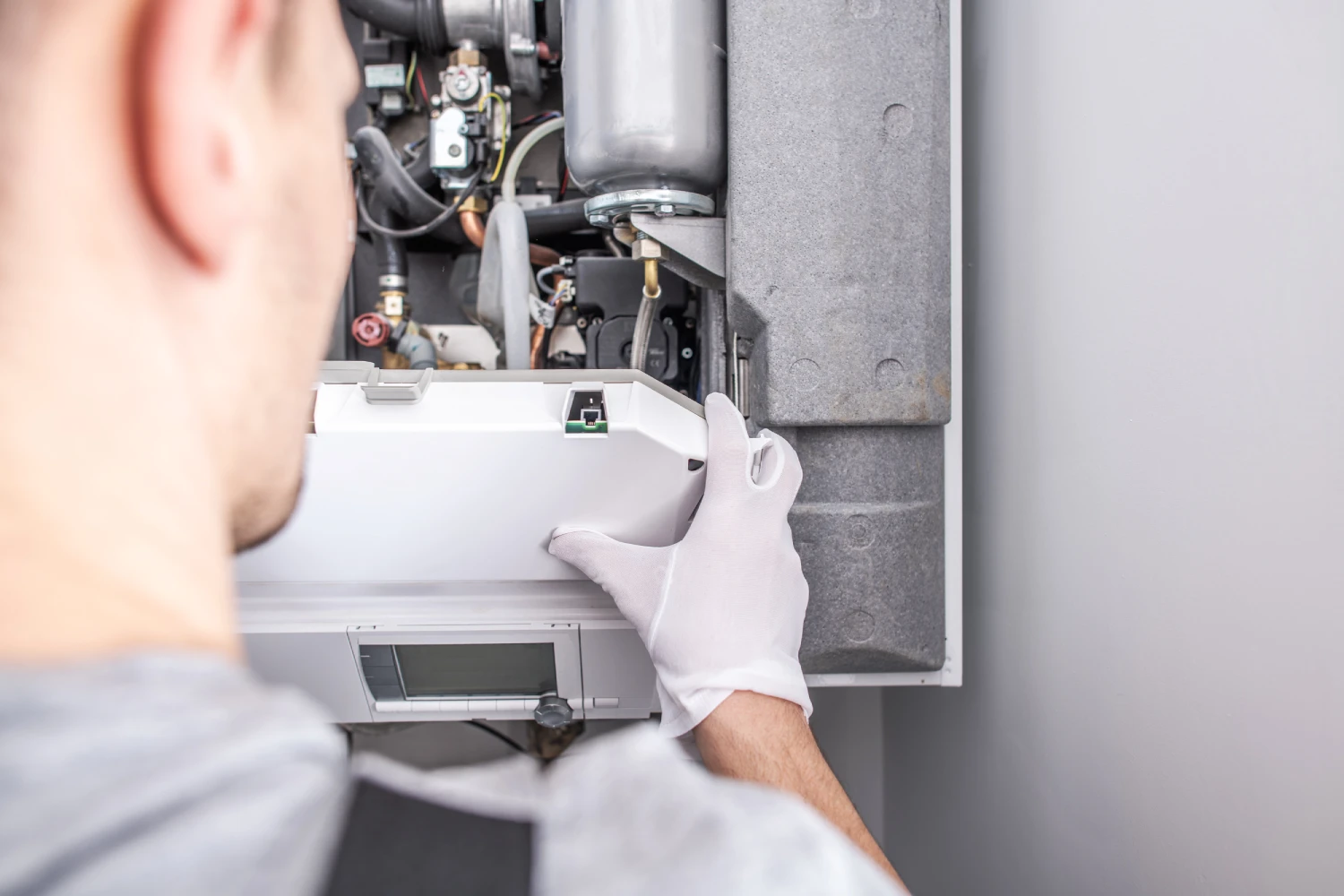
This is especially important in homes with mixed heating systems, such as radiators upstairs and underfloor heating downstairs. The boiler may need to serve different temperatures, different zones and different control requirements.
For homeowners planning gas boiler installation Deeside, the aim should be simple: make sure the boiler, controls, pipework and underfloor heating system all work together before the final installation is agreed. If you want your setup checked properly, speak to CAF Gas CIC for practical guidance.
Can a Gas Boiler Be Connected to Underfloor Heating?
Yes, a gas boiler can be connected to water-based underfloor heating when the system has been designed correctly. The boiler heats the water, and the underfloor heating system distributes that warmth through pipework beneath the floor.
However, underfloor heating often needs lower water temperatures than radiators. That means the connection between the boiler and the underfloor heating circuit must be controlled carefully.
In many homes, this is managed through a manifold, pump, mixing valve and thermostat controls. These components help regulate water flow and temperature, so the floor heats safely and evenly.
Why Are Pre-Installation Checks So Important?
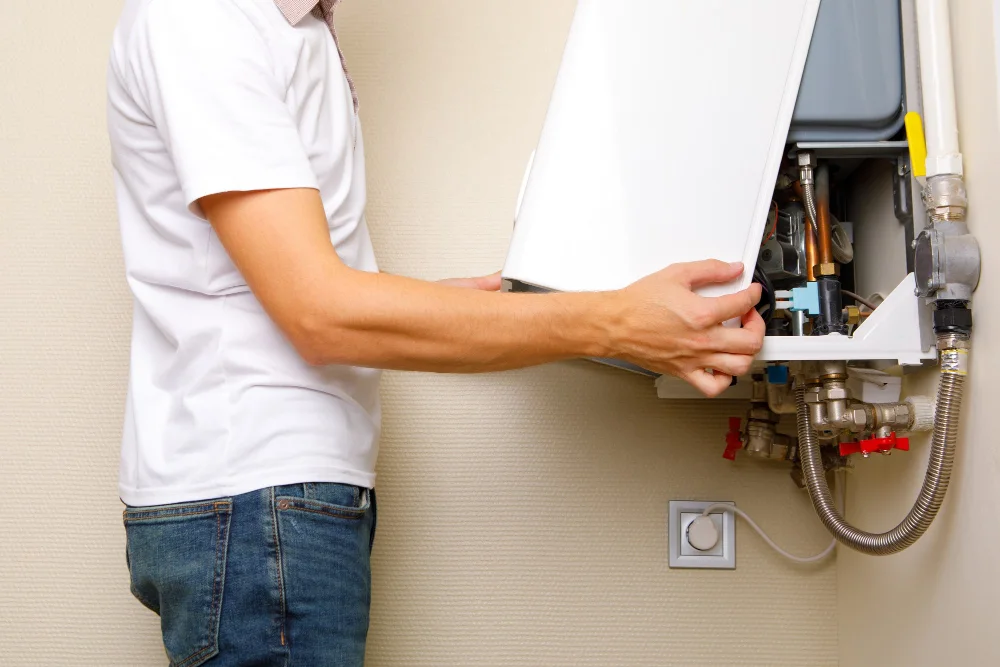
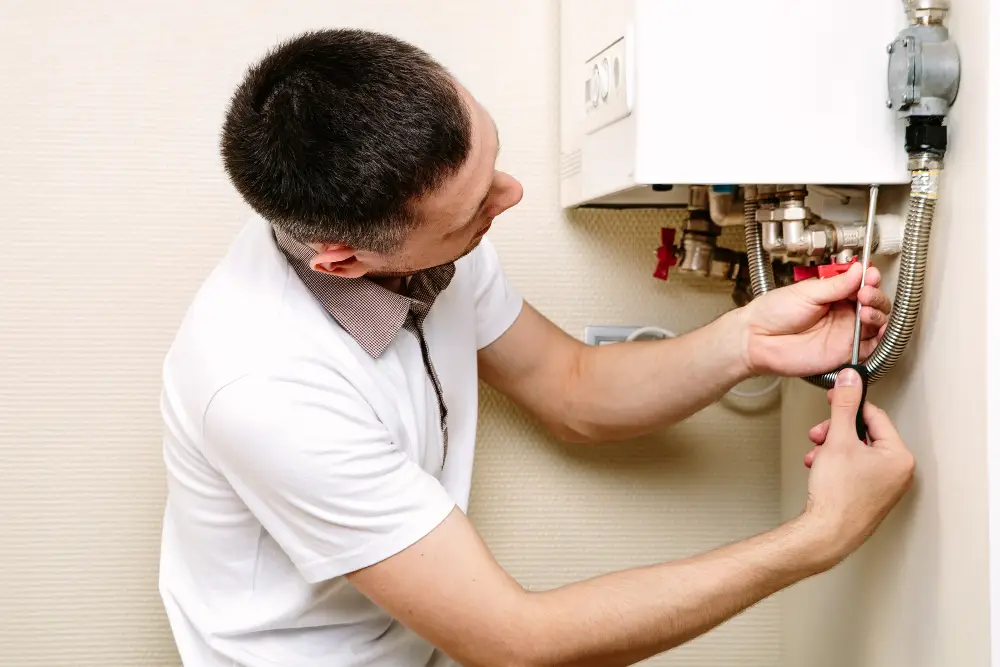
Pre-installation checks help confirm whether the existing heating system is ready for a new boiler. Without these checks, faults can be carried over into the new setup.
For example, an old boiler may be blamed for slow underfloor heating, but the real issue could be poor flow, a faulty actuator or outdated controls. If these problems are not spotted before installation, the homeowner may still have the same issues after paying for a new boiler.
A professional survey should not only look at the boiler position. It should assess the full heating system, including how heat is distributed around the property.
What Should Be Checked First?
Before connecting underfloor heating to a new gas boiler, the installer should check the condition, design and control of the existing system. This gives a clearer picture of whether the installation can go ahead as planned.
Key checks include:
- Boiler size and output requirements
- Current pipework layout
- Water pressure and flow
- Underfloor heating manifold condition
- Pump operation
- Mixing valve function
- Thermostat controls
- Number of heating zones
- System cleanliness
- Radiator compatibility
- Existing fault history
For gas boiler installation Deeside, these checks help make sure the quote and installation plan are based on the real condition of the home, not just the age of the current boiler.
Boiler and Underfloor Heating Checks at a Glance
| Area to Check | Why It Matters | What Could Happen if Ignored |
| Boiler output | Must match the home’s heat demand | Poor efficiency or weak performance |
| Manifold | Controls flow to floor circuits | Cold zones or uneven heating |
| Mixing valve | Helps manage floor heating temperature | Floors may run too hot or too cold |
| Pump | Moves water through the floor loops | Poor circulation |
| Controls | Allows separate zones to work correctly | Overheating or slow response |
| System water | Sludge can restrict flow | Boiler strain and patchy heating |
A good installer should be able to explain these checks in plain English, not hide behind technical jargon.
Does the Manifold Need Inspecting?
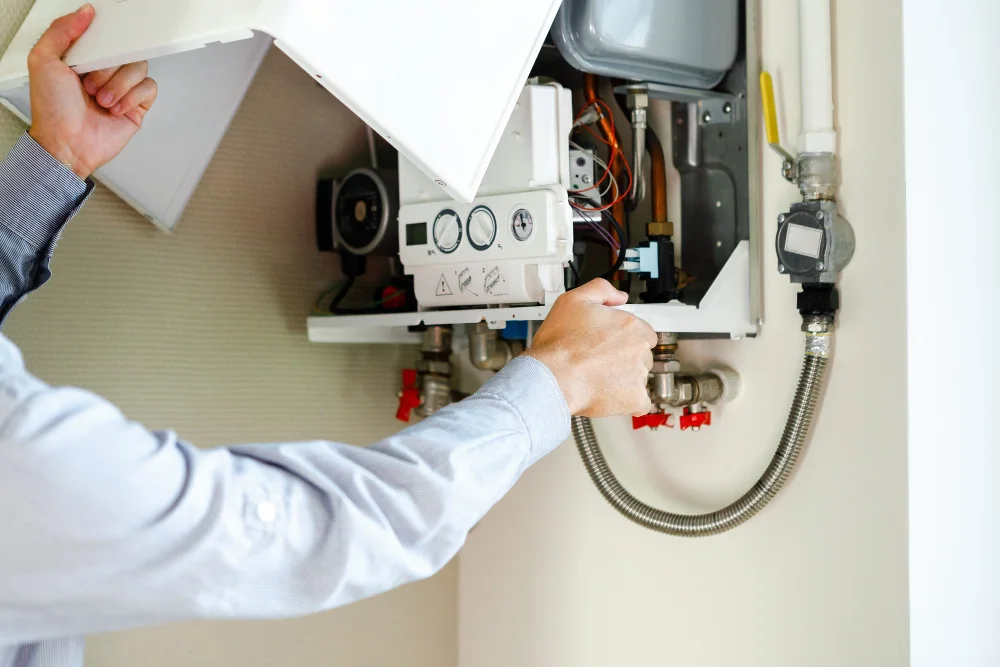
Yes, the manifold should be inspected before the boiler is connected. The manifold is one of the most important parts of a water-based underfloor heating system.
It distributes warm water through each floor loop and helps control the flow to different rooms or zones. If the manifold is not working properly, the underfloor heating may not perform well, even if the new boiler is fitted perfectly.
The installer should check whether:
- The manifold is accessible
- There are visible leaks
- Flow meters are working
- Actuators are opening and closing
- The pump is operating
- Pipe loops are labelled
- The system appears balanced
If the manifold is boxed in, hidden or difficult to access, this may make inspection and future maintenance harder.
Should the Controls Be Replaced?
Controls do not always need replacing, but they must be checked. Underfloor heating relies on good controls because it warms rooms slowly and steadily compared with radiators.
If the existing thermostat setup is basic or outdated, it may not allow the underfloor heating and radiators to work independently. This can lead to rooms heating unevenly or the boiler running longer than needed.
A gas boiler installation company should explain whether the current controls are suitable, whether small adjustments are enough or whether an upgrade would make a real difference.
Control checks should include:
- Room thermostats
- Programmer or timer
- Smart controls if fitted
- Wiring centre
- Zone valves
- Manifold actuators
- Separate radiator and floor heating zones
If your controls are confusing or unreliable, contact CAF Gas CIC and ask for a heating control review before installation.
What About Flow Temperature?
Flow temperature is very important when connecting underfloor heating. Radiators often need hotter water than underfloor heating, so the system may need a way to manage different temperatures.
Underfloor heating usually works by spreading lower-temperature heat across a larger surface area. If water enters the floor loops too hot, the system may become uncomfortable or inefficient. If the water is too cool, the rooms may take too long to warm.
A mixing valve can help regulate this by blending hot water from the boiler with cooler return water before it enters the floor circuits.
Which fuel powers your boiler?
It just takes 2 minutes
And then you can book a free consultation
Can Radiators and Underfloor Heating Run Together?
Yes, radiators and underfloor heating can run together when they are correctly zoned and controlled. Many homes use underfloor heating in a kitchen extension or ground-floor area while keeping radiators upstairs.
The key is to make sure each part of the system can operate properly. Radiators and floor heating should not be forced to work from one unsuitable control setup.
A well-planned system may include:
- Separate thermostats
- Separate heating zones
- Correctly balanced circuits
- Suitable boiler output
- Clear control settings
- Proper commissioning after installation
This is one of the reasons a full heating survey is important before choosing the final boiler and installation plan.
Should the System Be Flushed Before Installation?
In many cases, system cleaning is strongly recommended. Older heating systems can contain sludge, rust, scale or debris. This can affect circulation, reduce efficiency and put strain on the new boiler.
A magnetic filter may also be recommended to help protect the boiler after installation. The exact cleaning method depends on the condition of the system.
If the home has underfloor heating, the installer should be careful to assess the system properly rather than assuming every circuit needs the same treatment. The goal is to protect the new boiler and improve flow without causing unnecessary disruption.
Example Scenario: Mixed Heating in a Deeside Home
A homeowner in Deeside has an older gas boiler, radiators upstairs and underfloor heating in a ground-floor extension. The boiler is due for replacement, but the kitchen floor has always been slow to warm up.
During the survey, the installer checks the boiler, radiators, manifold, pump and thermostat controls. They find that the boiler needs replacing, but the underfloor heating also needs control adjustments and balancing.
In this situation, a basic boiler swap may not solve the comfort issue. A better plan would include the new boiler installation, system protection and underfloor heating checks so the whole setup performs properly.
What Questions Should You Ask Before Booking?
Before choosing an installer, ask questions that help confirm they understand the full system, not just the boiler.
Useful questions include:
- Will you check the underfloor heating manifold?
- Will you assess the heating controls?
- Can the boiler serve radiators and floor heating correctly?
- Is a system flush recommended?
- Will the quote include a filter?
- Are control upgrades essential or optional?
- Will the system be commissioned after installation?
- What warranty and aftercare are included?
A reliable gas boiler installation company should be comfortable answering these questions clearly.
What Can Go Wrong if These Checks Are Missed?
If the checks are missed, the new boiler may be fitted but the home may still not heat properly. This can lead to frustration, repeat visits and avoidable costs.
Possible issues include:
- Underfloor heating remains slow or uneven
- Radiators heat but floor zones stay cool
- Boiler cycles on and off too often
- Controls do not work as expected
- Energy use stays higher than expected
- Existing circulation problems continue
- Boiler warranty protection may be affected if system water is poor
Most of these issues can be reduced by taking the time to inspect the system properly before the installation.
How Should the Boiler Be Commissioned?
Commissioning is the final check after installation. It confirms the boiler has been fitted, tested and set up correctly.
Where underfloor heating is involved, commissioning should also consider how the system behaves once connected. The installer should check that heat is being delivered correctly, controls are responding and the homeowner understands how to use the system.
The handover should explain:
- How to operate the boiler
- How to use the heating controls
- What pressure range to expect
- What to do if a fault code appears
- Warranty details
- Service requirements
- Any recommended future improvements
This helps homeowners feel confident after the installation is complete.
When Should You Get a Bespoke Quote?
You should get a bespoke quote if your home has underfloor heating, multiple heating zones, older pipework, a boiler relocation, high hot water demand or any known heating problems.
Generic prices can be useful as a rough guide, but they rarely show the full picture. A proper quote should reflect the property, the heating system and the work actually required.
For gas boiler installation Deeside, a tailored quote is the best way to avoid hidden surprises and make sure the new boiler is suitable for your home. Speak to CAF Gas CIC to arrange clear advice and a bespoke installation quote.
Final Thoughts
Connecting a gas boiler to underfloor heating is usually possible, but it needs proper planning. The boiler, manifold, pump, controls, flow temperature and system condition should all be checked before installation.
CAF Gas CIC can help Deeside homeowners make confident decisions with clear advice and careful installation planning. With the right checks in place, your new boiler can work smoothly with your underfloor heating and wider home heating system.
Related articles
Which fuel powers your boiler?
At a glance
This is especially important in homes with mixed heating systems, such as radiators upstairs and underfloor heating downstairs. The boiler may need to serve different temperatures, different zones and different control requirements.
For homeowners planning gas boiler installation Deeside, the aim should be simple: make sure the boiler, controls, pipework and underfloor heating system all work together before the final installation is agreed. If you want your setup checked properly, speak to CAF Gas CIC for practical guidance.
Can a Gas Boiler Be Connected to Underfloor Heating?
Yes, a gas boiler can be connected to water-based underfloor heating when the system has been designed correctly. The boiler heats the water, and the underfloor heating system distributes that warmth through pipework beneath the floor.
However, underfloor heating often needs lower water temperatures than radiators. That means the connection between the boiler and the underfloor heating circuit must be controlled carefully.
In many homes, this is managed through a manifold, pump, mixing valve and thermostat controls. These components help regulate water flow and temperature, so the floor heats safely and evenly.
Why Are Pre-Installation Checks So Important?
Pre-installation checks help confirm whether the existing heating system is ready for a new boiler. Without these checks, faults can be carried over into the new setup.
For example, an old boiler may be blamed for slow underfloor heating, but the real issue could be poor flow, a faulty actuator or outdated controls. If these problems are not spotted before installation, the homeowner may still have the same issues after paying for a new boiler.
A professional survey should not only look at the boiler position. It should assess the full heating system, including how heat is distributed around the property.
What Should Be Checked First?
Before connecting underfloor heating to a new gas boiler, the installer should check the condition, design and control of the existing system. This gives a clearer picture of whether the installation can go ahead as planned.
Key checks include:
- Boiler size and output requirements
- Current pipework layout
- Water pressure and flow
- Underfloor heating manifold condition
- Pump operation
- Mixing valve function
- Thermostat controls
- Number of heating zones
- System cleanliness
- Radiator compatibility
- Existing fault history
For gas boiler installation Deeside, these checks help make sure the quote and installation plan are based on the real condition of the home, not just the age of the current boiler.
Boiler and Underfloor Heating Checks at a Glance
| Area to Check | Why It Matters | What Could Happen if Ignored |
| Boiler output | Must match the home’s heat demand | Poor efficiency or weak performance |
| Manifold | Controls flow to floor circuits | Cold zones or uneven heating |
| Mixing valve | Helps manage floor heating temperature | Floors may run too hot or too cold |
| Pump | Moves water through the floor loops | Poor circulation |
| Controls | Allows separate zones to work correctly | Overheating or slow response |
| System water | Sludge can restrict flow | Boiler strain and patchy heating |
A good installer should be able to explain these checks in plain English, not hide behind technical jargon.
Does the Manifold Need Inspecting?
Yes, the manifold should be inspected before the boiler is connected. The manifold is one of the most important parts of a water-based underfloor heating system.
It distributes warm water through each floor loop and helps control the flow to different rooms or zones. If the manifold is not working properly, the underfloor heating may not perform well, even if the new boiler is fitted perfectly.
The installer should check whether:
- The manifold is accessible
- There are visible leaks
- Flow meters are working
- Actuators are opening and closing
- The pump is operating
- Pipe loops are labelled
- The system appears balanced
If the manifold is boxed in, hidden or difficult to access, this may make inspection and future maintenance harder.
Should the Controls Be Replaced?
Controls do not always need replacing, but they must be checked. Underfloor heating relies on good controls because it warms rooms slowly and steadily compared with radiators.
If the existing thermostat setup is basic or outdated, it may not allow the underfloor heating and radiators to work independently. This can lead to rooms heating unevenly or the boiler running longer than needed.
A gas boiler installation company should explain whether the current controls are suitable, whether small adjustments are enough or whether an upgrade would make a real difference.
Control checks should include:
- Room thermostats
- Programmer or timer
- Smart controls if fitted
- Wiring centre
- Zone valves
- Manifold actuators
- Separate radiator and floor heating zones
If your controls are confusing or unreliable, contact CAF Gas CIC and ask for a heating control review before installation.
What About Flow Temperature?
Flow temperature is very important when connecting underfloor heating. Radiators often need hotter water than underfloor heating, so the system may need a way to manage different temperatures.
Underfloor heating usually works by spreading lower-temperature heat across a larger surface area. If water enters the floor loops too hot, the system may become uncomfortable or inefficient. If the water is too cool, the rooms may take too long to warm.
A mixing valve can help regulate this by blending hot water from the boiler with cooler return water before it enters the floor circuits.
Which fuel powers your boiler?
It just takes 2 minutes
And then you can book a free consultation
Can Radiators and Underfloor Heating Run Together?
Yes, radiators and underfloor heating can run together when they are correctly zoned and controlled. Many homes use underfloor heating in a kitchen extension or ground-floor area while keeping radiators upstairs.
The key is to make sure each part of the system can operate properly. Radiators and floor heating should not be forced to work from one unsuitable control setup.
A well-planned system may include:
- Separate thermostats
- Separate heating zones
- Correctly balanced circuits
- Suitable boiler output
- Clear control settings
- Proper commissioning after installation
This is one of the reasons a full heating survey is important before choosing the final boiler and installation plan.
Should the System Be Flushed Before Installation?
In many cases, system cleaning is strongly recommended. Older heating systems can contain sludge, rust, scale or debris. This can affect circulation, reduce efficiency and put strain on the new boiler.
A magnetic filter may also be recommended to help protect the boiler after installation. The exact cleaning method depends on the condition of the system.
If the home has underfloor heating, the installer should be careful to assess the system properly rather than assuming every circuit needs the same treatment. The goal is to protect the new boiler and improve flow without causing unnecessary disruption.
Example Scenario: Mixed Heating in a Deeside Home
A homeowner in Deeside has an older gas boiler, radiators upstairs and underfloor heating in a ground-floor extension. The boiler is due for replacement, but the kitchen floor has always been slow to warm up.
During the survey, the installer checks the boiler, radiators, manifold, pump and thermostat controls. They find that the boiler needs replacing, but the underfloor heating also needs control adjustments and balancing.
In this situation, a basic boiler swap may not solve the comfort issue. A better plan would include the new boiler installation, system protection and underfloor heating checks so the whole setup performs properly.
What Questions Should You Ask Before Booking?
Before choosing an installer, ask questions that help confirm they understand the full system, not just the boiler.
Useful questions include:
- Will you check the underfloor heating manifold?
- Will you assess the heating controls?
- Can the boiler serve radiators and floor heating correctly?
- Is a system flush recommended?
- Will the quote include a filter?
- Are control upgrades essential or optional?
- Will the system be commissioned after installation?
- What warranty and aftercare are included?
A reliable gas boiler installation company should be comfortable answering these questions clearly.
What Can Go Wrong if These Checks Are Missed?
If the checks are missed, the new boiler may be fitted but the home may still not heat properly. This can lead to frustration, repeat visits and avoidable costs.
Possible issues include:
- Underfloor heating remains slow or uneven
- Radiators heat but floor zones stay cool
- Boiler cycles on and off too often
- Controls do not work as expected
- Energy use stays higher than expected
- Existing circulation problems continue
- Boiler warranty protection may be affected if system water is poor
Most of these issues can be reduced by taking the time to inspect the system properly before the installation.
How Should the Boiler Be Commissioned?
Commissioning is the final check after installation. It confirms the boiler has been fitted, tested and set up correctly.
Where underfloor heating is involved, commissioning should also consider how the system behaves once connected. The installer should check that heat is being delivered correctly, controls are responding and the homeowner understands how to use the system.
The handover should explain:
- How to operate the boiler
- How to use the heating controls
- What pressure range to expect
- What to do if a fault code appears
- Warranty details
- Service requirements
- Any recommended future improvements
This helps homeowners feel confident after the installation is complete.
When Should You Get a Bespoke Quote?
You should get a bespoke quote if your home has underfloor heating, multiple heating zones, older pipework, a boiler relocation, high hot water demand or any known heating problems.
Generic prices can be useful as a rough guide, but they rarely show the full picture. A proper quote should reflect the property, the heating system and the work actually required.
For gas boiler installation Deeside, a tailored quote is the best way to avoid hidden surprises and make sure the new boiler is suitable for your home. Speak to CAF Gas CIC to arrange clear advice and a bespoke installation quote.
Final Thoughts
Connecting a gas boiler to underfloor heating is usually possible, but it needs proper planning. The boiler, manifold, pump, controls, flow temperature and system condition should all be checked before installation.
CAF Gas CIC can help Deeside homeowners make confident decisions with clear advice and careful installation planning. With the right checks in place, your new boiler can work smoothly with your underfloor heating and wider home heating system.


