 Up to 12 year labour warranty


Boiler Repair Deeside: When Underfloor Heating Problems Are Not Actually a Boiler Fault
When the heating stops working properly, it is easy to assume the boiler is the problem. After all, the boiler is the main appliance people recognise, and it is usually the first thing homeowners think about when rooms feel cold.

Why you can trust our content
At CafGas CIC, we know choosing a new boiler can feel overwhelming, especially with so much conflicting advice online. That’s why we focus on clear guidance, honest recommendations, and trusted expertise to help homeowners make informed decisions about their heating systems.

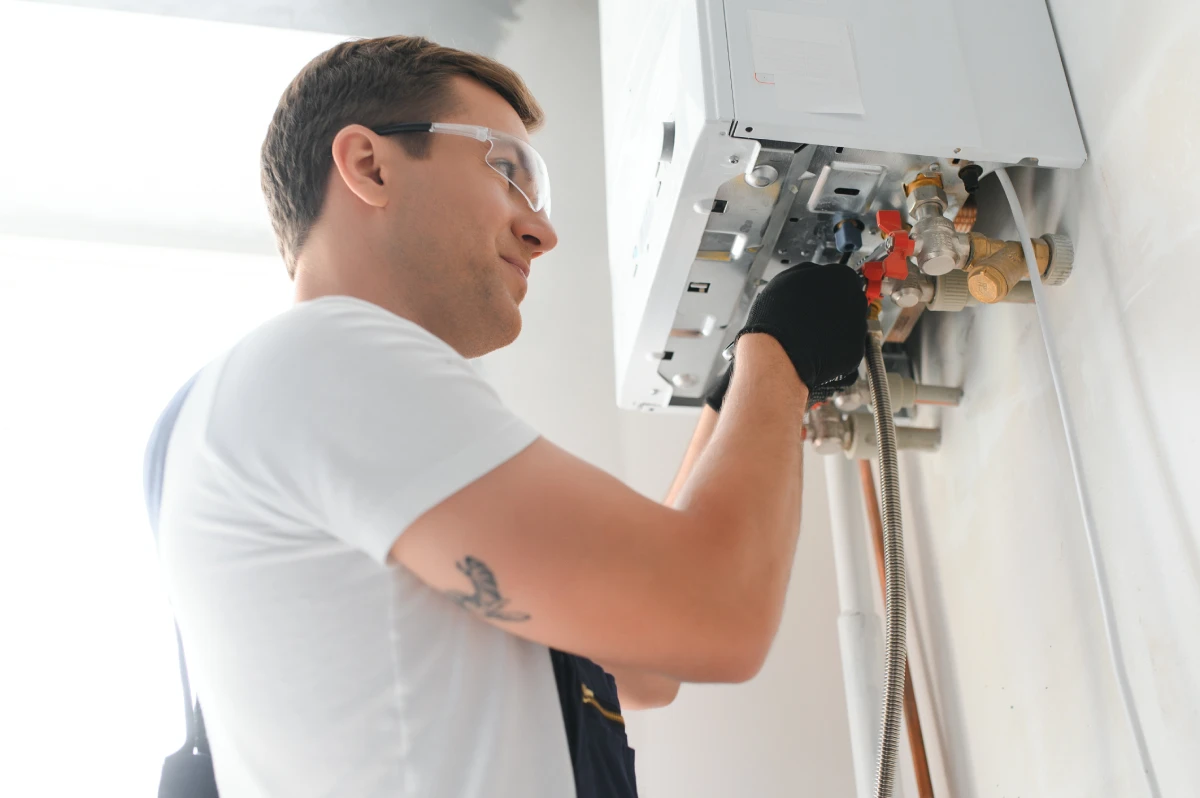
However, in homes with underfloor heating, the issue is not always the boiler itself. The fault could be linked to the underfloor heating manifold, controls, thermostat, pump, wiring centre, air in the system or poor water flow.
For homeowners searching for boiler repair Deeside, it helps to understand the difference between a genuine boiler fault and a heating-system fault. If you are unsure what has failed, speak to CAF Gas CIC for clear advice before replacing parts unnecessarily.
Is It Always the Boiler When Underfloor Heating Stops Working?
No, it is not always the boiler. If your radiators are working but the underfloor heating is not, the boiler may be producing heat correctly, while the problem sits elsewhere in the system.
Underfloor heating is usually controlled through separate components. These may include a manifold, actuators, thermostats, a pump and a mixing valve. If one of these parts fails, the floor heating may stop working even though the boiler is still functioning.
A proper diagnosis should look at the full heating setup, not just the boiler casing. This helps avoid paying for the wrong repair.
How Does Underfloor Heating Connect to a Boiler?
Water-based underfloor heating normally connects to the boiler through a separate heating circuit. Warm water travels from the boiler to the underfloor heating manifold, then through pipe loops beneath the floor.
The manifold controls how water is distributed across each floor zone. In many homes, it also works with a pump and mixing valve to manage flow and temperature.
This matters because a fault anywhere in that chain can look like a boiler issue. If warm water is not reaching the floor loops, the room may stay cold, but the boiler may still be operating exactly as it should.
What Are the Signs It Might Not Be a Boiler Fault?
There are a few clues that the boiler may not be the root cause. These signs do not confirm the problem by themselves, but they can help guide the inspection.
Common signs include:
- Radiators are heating normally but floor zones stay cold
- Only one underfloor heating zone is affected
- The boiler display shows no fault code
- Hot water is working as normal
- The thermostat calls for heat but nothing happens in one area
- The manifold pump is silent or not running
- Actuators on the manifold do not open
- One room heats slowly while others are fine
If several of these apply, the issue may be with the underfloor heating controls or circulation rather than the appliance. This is where a careful boiler repair visit should include wider system checks.
Boiler Fault vs Underfloor Heating Fault: What Is the Difference?
A boiler fault usually affects the appliance’s ability to produce heat or hot water. An underfloor heating fault often affects how that heat is controlled, circulated or delivered through the floor.
| Symptom | Possible Boiler Issue | Possible Underfloor Heating Issue |
| No heating anywhere | Boiler fault, pressure issue or gas supply problem | Less likely if all zones are off |
| Hot water works but one floor zone is cold | Boiler may be fine | Thermostat, actuator or manifold issue |
| Radiators work but underfloor heating does not | Boiler likely producing heat | Pump, mixing valve or control issue |
| Boiler shows fault code | Appliance fault may be present | System issue may have triggered it |
| Heating is patchy | Circulation or pressure problem possible | Air, balancing or floor loop issue |
The purpose of diagnosis is to avoid guessing. A visible symptom can have more than one cause.
Why Do Underfloor Heating Controls Cause Confusion?
Underfloor heating controls can be confusing because they are often hidden away in cupboards, utility rooms or under stairs. Homeowners may use the wall thermostat every day but rarely see the manifold, pump or wiring centre.
If a thermostat fails, loses signal or stops communicating with the manifold, the floor zone may not heat. It can feel like the boiler has stopped working, even though the boiler has not received a proper call for heat.
Control faults can include:
- Faulty room thermostat
- Dead thermostat batteries
- Failed actuator
- Wiring centre issue
- Zone valve fault
- Poor thermostat programming
- Smart control connection problems
Before booking a major boiler repair, it is sensible to check simple control settings and thermostat batteries where safe to do so.
Can a Boiler Fault Affect Underfloor Heating Only?
Sometimes, but it is less common. If the boiler is struggling with circulation, pressure or temperature control, the underfloor heating may be affected. However, if radiators and hot water are working normally, the boiler may not be the main suspect.
Some boiler-related issues can still show up in the underfloor heating, such as:
- Low system pressure
- Poor circulation
- Fault codes
- Pump issues
- Dirty system water
- Temperature control problems
The key is to check the evidence. A qualified engineer should not assume one way or the other without testing the system properly.
Which fuel powers your boiler?
It just takes 2 minutes
And then you can book a free consultation
What Should You Check Before Calling an Engineer?
There are a few safe checks homeowners can do before arranging a visit. These do not involve opening the boiler or touching internal components.
You can check:
- Is the boiler switched on?
- Is there a visible fault code?
- Is the boiler pressure within the normal range?
- Is hot water working?
- Are radiators heating?
- Are thermostat batteries working?
- Are heating schedules set correctly?
- Has anyone changed the controls recently?
Do not remove boiler covers, dismantle heating parts or attempt gas-related work yourself. If anything looks unsafe, stop and call a qualified professional.
If the issue is unclear, contact CAF Gas CIC and explain what is working and what is not. This helps the team narrow down the likely cause before attending.
Why Might One Underfloor Heating Zone Stop Working?
If one underfloor heating zone stops working, the issue is often local to that zone rather than the boiler. Each zone may have its own thermostat and actuator, so one room can fail while the rest of the system works.
Possible causes include:
- Faulty thermostat
- Stuck actuator
- Air trapped in the loop
- Poor flow through one circuit
- Manifold balancing issue
- Wiring problem
- Closed or restricted valve
This is why “the heating is broken” can mean different things in different rooms. A good inspection should identify whether the fault affects the whole system or only one part of it.
Example Scenario: Radiators Hot, Kitchen Floor Cold
A homeowner in Deeside notices that the upstairs radiators are hot, the shower is working and the boiler has no fault code. However, the kitchen floor stays cold even when the thermostat is turned up.
In this situation, the boiler is clearly producing heat for other parts of the property. The likely issue may be with the underfloor heating thermostat, manifold actuator, pump or flow through the kitchen circuit.
A proper engineer visit would check the controls, manifold operation and circulation before assuming the boiler needs parts. This avoids unnecessary expense and gets closer to the real fault.
Can System Sludge Affect Underfloor Heating?
Yes, dirty system water can affect heating performance. Sludge, debris or poor circulation can restrict water flow and make some areas slow to warm up.
Underfloor heating pipework is different from radiators, and poor flow can be harder to notice straight away. The room may still warm slightly, but not enough to feel comfortable.
An engineer may recommend water quality checks, flushing or filter installation depending on the condition of the system. This is especially relevant if the boiler has been replaced in the past without proper system cleaning.
When Is It Definitely a Boiler Repair Issue?
There are times when the boiler itself is more likely to be at fault. If there is no heating anywhere, no hot water, repeated fault codes or pressure problems, the appliance needs checking.
You may need a boiler repair if:
- The boiler will not ignite
- There is no hot water
- Heating is off throughout the property
- The boiler keeps locking out
- Pressure keeps dropping
- A fault code is displayed
- The boiler makes unusual noises
- There are signs of leaking from the appliance
Any gas, combustion or internal boiler issue should only be handled by a qualified Gas Safe registered engineer.
Why Proper Diagnosis Saves Money
Guesswork can become expensive. Replacing boiler parts will not solve a failed thermostat. Changing controls will not fix a boiler that keeps losing pressure. That is why diagnosis matters.
A proper inspection should follow the fault logically:
- What is working?
- What is not working?
- Is the boiler receiving a call for heat?
- Is the boiler producing heat?
- Is heat reaching the manifold?
- Are the floor zones opening?
- Is water circulating properly?
This approach helps prevent repeat visits, unnecessary parts and frustration.
Should You Repair, Service or Upgrade?
The right answer depends on the age of the boiler, the condition of the underfloor heating and the type of fault found.
A repair may be enough if the boiler is generally reliable and the issue is isolated. A service may be useful if performance has declined due to maintenance issues. An upgrade may be worth discussing if the boiler is old, inefficient or no longer suitable for the heating system.
For boiler repair Deeside, the best advice should be honest and practical. Not every problem needs a new boiler, but not every old boiler is worth repeated repairs either.
How Can Homeowners Avoid Repeat Faults?
Once the issue is fixed, a few steps can help reduce future problems:
- Keep the boiler serviced annually
- Check pressure occasionally
- Use heating controls correctly
- Replace thermostat batteries when needed
- Keep manifold access clear
- Ask for system water quality checks
- Report cold zones early
- Do not ignore repeated fault codes
Underfloor heating works best when the boiler, controls and water circulation are all maintained together.
Final Advice for Deeside Homeowners
If your underfloor heating stops working, do not assume the boiler is automatically to blame. The problem may be with the controls, manifold, pump, actuator or flow through one heating zone.
A good engineer will check the full system before recommending repairs. For trusted boiler repair Deeside support, speak to CAF Gas CIC and get clear guidance on the next best step.
Final Thoughts
Underfloor heating faults can look like boiler faults, but they are not always the same thing. By checking the full system, homeowners can avoid unnecessary repairs and get the right fix first time.
CAF Gas CIC can help Deeside homeowners identify whether the issue sits with the boiler, controls or underfloor heating system, giving you practical advice without pressure.
Related articles
Which fuel powers your boiler?
At a glance
However, in homes with underfloor heating, the issue is not always the boiler itself. The fault could be linked to the underfloor heating manifold, controls, thermostat, pump, wiring centre, air in the system or poor water flow.
For homeowners searching for boiler repair Deeside, it helps to understand the difference between a genuine boiler fault and a heating-system fault. If you are unsure what has failed, speak to CAF Gas CIC for clear advice before replacing parts unnecessarily.
Is It Always the Boiler When Underfloor Heating Stops Working?
No, it is not always the boiler. If your radiators are working but the underfloor heating is not, the boiler may be producing heat correctly, while the problem sits elsewhere in the system.
Underfloor heating is usually controlled through separate components. These may include a manifold, actuators, thermostats, a pump and a mixing valve. If one of these parts fails, the floor heating may stop working even though the boiler is still functioning.
A proper diagnosis should look at the full heating setup, not just the boiler casing. This helps avoid paying for the wrong repair.
How Does Underfloor Heating Connect to a Boiler?
Water-based underfloor heating normally connects to the boiler through a separate heating circuit. Warm water travels from the boiler to the underfloor heating manifold, then through pipe loops beneath the floor.
The manifold controls how water is distributed across each floor zone. In many homes, it also works with a pump and mixing valve to manage flow and temperature.
This matters because a fault anywhere in that chain can look like a boiler issue. If warm water is not reaching the floor loops, the room may stay cold, but the boiler may still be operating exactly as it should.
What Are the Signs It Might Not Be a Boiler Fault?
There are a few clues that the boiler may not be the root cause. These signs do not confirm the problem by themselves, but they can help guide the inspection.
Common signs include:
- Radiators are heating normally but floor zones stay cold
- Only one underfloor heating zone is affected
- The boiler display shows no fault code
- Hot water is working as normal
- The thermostat calls for heat but nothing happens in one area
- The manifold pump is silent or not running
- Actuators on the manifold do not open
- One room heats slowly while others are fine
If several of these apply, the issue may be with the underfloor heating controls or circulation rather than the appliance. This is where a careful boiler repair visit should include wider system checks.
Boiler Fault vs Underfloor Heating Fault: What Is the Difference?
A boiler fault usually affects the appliance’s ability to produce heat or hot water. An underfloor heating fault often affects how that heat is controlled, circulated or delivered through the floor.
| Symptom | Possible Boiler Issue | Possible Underfloor Heating Issue |
| No heating anywhere | Boiler fault, pressure issue or gas supply problem | Less likely if all zones are off |
| Hot water works but one floor zone is cold | Boiler may be fine | Thermostat, actuator or manifold issue |
| Radiators work but underfloor heating does not | Boiler likely producing heat | Pump, mixing valve or control issue |
| Boiler shows fault code | Appliance fault may be present | System issue may have triggered it |
| Heating is patchy | Circulation or pressure problem possible | Air, balancing or floor loop issue |
The purpose of diagnosis is to avoid guessing. A visible symptom can have more than one cause.
Why Do Underfloor Heating Controls Cause Confusion?
Underfloor heating controls can be confusing because they are often hidden away in cupboards, utility rooms or under stairs. Homeowners may use the wall thermostat every day but rarely see the manifold, pump or wiring centre.
If a thermostat fails, loses signal or stops communicating with the manifold, the floor zone may not heat. It can feel like the boiler has stopped working, even though the boiler has not received a proper call for heat.
Control faults can include:
- Faulty room thermostat
- Dead thermostat batteries
- Failed actuator
- Wiring centre issue
- Zone valve fault
- Poor thermostat programming
- Smart control connection problems
Before booking a major boiler repair, it is sensible to check simple control settings and thermostat batteries where safe to do so.
Can a Boiler Fault Affect Underfloor Heating Only?
Sometimes, but it is less common. If the boiler is struggling with circulation, pressure or temperature control, the underfloor heating may be affected. However, if radiators and hot water are working normally, the boiler may not be the main suspect.
Some boiler-related issues can still show up in the underfloor heating, such as:
- Low system pressure
- Poor circulation
- Fault codes
- Pump issues
- Dirty system water
- Temperature control problems
The key is to check the evidence. A qualified engineer should not assume one way or the other without testing the system properly.
Which fuel powers your boiler?
It just takes 2 minutes
And then you can book a free consultation
What Should You Check Before Calling an Engineer?
There are a few safe checks homeowners can do before arranging a visit. These do not involve opening the boiler or touching internal components.
You can check:
- Is the boiler switched on?
- Is there a visible fault code?
- Is the boiler pressure within the normal range?
- Is hot water working?
- Are radiators heating?
- Are thermostat batteries working?
- Are heating schedules set correctly?
- Has anyone changed the controls recently?
Do not remove boiler covers, dismantle heating parts or attempt gas-related work yourself. If anything looks unsafe, stop and call a qualified professional.
If the issue is unclear, contact CAF Gas CIC and explain what is working and what is not. This helps the team narrow down the likely cause before attending.
Why Might One Underfloor Heating Zone Stop Working?
If one underfloor heating zone stops working, the issue is often local to that zone rather than the boiler. Each zone may have its own thermostat and actuator, so one room can fail while the rest of the system works.
Possible causes include:
- Faulty thermostat
- Stuck actuator
- Air trapped in the loop
- Poor flow through one circuit
- Manifold balancing issue
- Wiring problem
- Closed or restricted valve
This is why “the heating is broken” can mean different things in different rooms. A good inspection should identify whether the fault affects the whole system or only one part of it.
Example Scenario: Radiators Hot, Kitchen Floor Cold
A homeowner in Deeside notices that the upstairs radiators are hot, the shower is working and the boiler has no fault code. However, the kitchen floor stays cold even when the thermostat is turned up.
In this situation, the boiler is clearly producing heat for other parts of the property. The likely issue may be with the underfloor heating thermostat, manifold actuator, pump or flow through the kitchen circuit.
A proper engineer visit would check the controls, manifold operation and circulation before assuming the boiler needs parts. This avoids unnecessary expense and gets closer to the real fault.
Can System Sludge Affect Underfloor Heating?
Yes, dirty system water can affect heating performance. Sludge, debris or poor circulation can restrict water flow and make some areas slow to warm up.
Underfloor heating pipework is different from radiators, and poor flow can be harder to notice straight away. The room may still warm slightly, but not enough to feel comfortable.
An engineer may recommend water quality checks, flushing or filter installation depending on the condition of the system. This is especially relevant if the boiler has been replaced in the past without proper system cleaning.
When Is It Definitely a Boiler Repair Issue?
There are times when the boiler itself is more likely to be at fault. If there is no heating anywhere, no hot water, repeated fault codes or pressure problems, the appliance needs checking.
You may need a boiler repair if:
- The boiler will not ignite
- There is no hot water
- Heating is off throughout the property
- The boiler keeps locking out
- Pressure keeps dropping
- A fault code is displayed
- The boiler makes unusual noises
- There are signs of leaking from the appliance
Any gas, combustion or internal boiler issue should only be handled by a qualified Gas Safe registered engineer.
Why Proper Diagnosis Saves Money
Guesswork can become expensive. Replacing boiler parts will not solve a failed thermostat. Changing controls will not fix a boiler that keeps losing pressure. That is why diagnosis matters.
A proper inspection should follow the fault logically:
- What is working?
- What is not working?
- Is the boiler receiving a call for heat?
- Is the boiler producing heat?
- Is heat reaching the manifold?
- Are the floor zones opening?
- Is water circulating properly?
This approach helps prevent repeat visits, unnecessary parts and frustration.
Should You Repair, Service or Upgrade?
The right answer depends on the age of the boiler, the condition of the underfloor heating and the type of fault found.
A repair may be enough if the boiler is generally reliable and the issue is isolated. A service may be useful if performance has declined due to maintenance issues. An upgrade may be worth discussing if the boiler is old, inefficient or no longer suitable for the heating system.
For boiler repair Deeside, the best advice should be honest and practical. Not every problem needs a new boiler, but not every old boiler is worth repeated repairs either.
How Can Homeowners Avoid Repeat Faults?
Once the issue is fixed, a few steps can help reduce future problems:
- Keep the boiler serviced annually
- Check pressure occasionally
- Use heating controls correctly
- Replace thermostat batteries when needed
- Keep manifold access clear
- Ask for system water quality checks
- Report cold zones early
- Do not ignore repeated fault codes
Underfloor heating works best when the boiler, controls and water circulation are all maintained together.
Final Advice for Deeside Homeowners
If your underfloor heating stops working, do not assume the boiler is automatically to blame. The problem may be with the controls, manifold, pump, actuator or flow through one heating zone.
A good engineer will check the full system before recommending repairs. For trusted boiler repair Deeside support, speak to CAF Gas CIC and get clear guidance on the next best step.
Final Thoughts
Underfloor heating faults can look like boiler faults, but they are not always the same thing. By checking the full system, homeowners can avoid unnecessary repairs and get the right fix first time.
CAF Gas CIC can help Deeside homeowners identify whether the issue sits with the boiler, controls or underfloor heating system, giving you practical advice without pressure.


