 Up to 12 year labour warranty


New Combi Boiler Deeside: Is a Combi Suitable for a Home With Underfloor Heating?
A combi boiler can be a practical choice for many homes, but if your property has underfloor heating, it is worth checking compatibility before making a decision. Underfloor heating works differently from radiators, so the boiler, controls and heating zones all need to be considered properly.

Why you can trust our content
At CafGas CIC, we know choosing a new boiler can feel overwhelming, especially with so much conflicting advice online. That’s why we focus on clear guidance, honest recommendations, and trusted expertise to help homeowners make informed decisions about their heating systems.

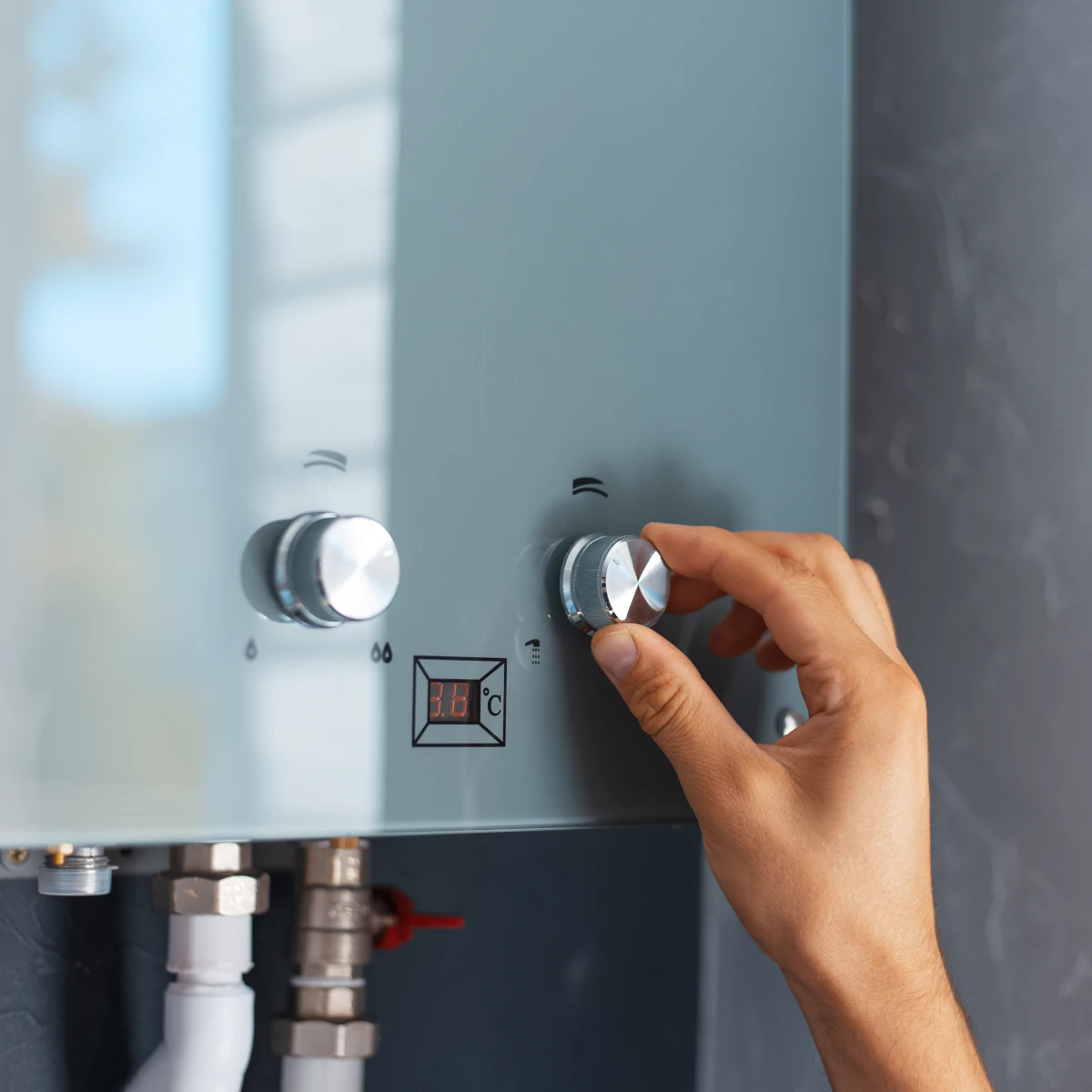
For some homes, a combi boiler works very well. For others, especially larger properties with high hot water demand or multiple heating zones, a different boiler setup may be more suitable.
If you are looking into a new combi boiler Deeside, this guide explains when a combi may work with underfloor heating, what needs to be checked and when you may need a more tailored heating setup. If you would like practical advice for your property, speak to CAF Gas CIC before choosing your boiler.
Can a Combi Boiler Work With Underfloor Heating?
Yes, a combi boiler can work with water-based underfloor heating when the system is designed and controlled correctly. The key is making sure the boiler can support both your heating demand and your hot water usage.
A combi boiler heats water on demand, so it does not usually need a separate hot water cylinder. This can make it space-saving and convenient, especially for smaller or medium-sized homes.
However, underfloor heating usually operates at a lower temperature than radiators. This means the system may need the right controls, a manifold and temperature regulation to make sure the floor heating works safely and efficiently.
What Makes Underfloor Heating Different From Radiators?
Radiators heat rooms by warming the air around them. They often need hotter water and can heat up fairly quickly. Underfloor heating works by spreading warmth across the floor, creating a more gradual and even heat.
This difference matters because the boiler may need to serve two types of heating at once. If your home has radiators upstairs and underfloor heating downstairs, each area may need separate control.
A well-set-up system should allow:
- Radiators to heat at the right temperature
- Underfloor heating to run at a lower, controlled temperature
- Each zone to respond to its own thermostat
- The boiler to run without unnecessary stop-start cycling
- Rooms to reach comfortable temperatures without overheating
A combi can support this, but the design has to be right.
Is a Combi Boiler Right for Every Home?
No, a combi boiler is not right for every home. It depends on the property size, number of bathrooms, hot water demand and heating layout.
Combi boilers are often suitable for homes with one bathroom, moderate hot water use and a heating system that is not overly complex. They can also work in homes with underfloor heating if the system is correctly zoned and controlled.
A combi may be less suitable if the home has several bathrooms, high simultaneous hot water demand, a large floor area or multiple heating zones. In those cases, a system boiler with a hot water cylinder may be worth considering.
For homeowners comparing new combi boiler Deeside options, the best starting point is a proper heating survey rather than choosing based on boiler type alone.
Combi Boiler, System Boiler or Regular Boiler: What Is the Difference?
Choosing the right boiler depends on how your home uses heating and hot water. Here is a simple comparison.
| Boiler Type | Best Suited To | Things to Consider |
| Combi boiler | Smaller to medium homes with moderate hot water demand | No cylinder needed, but flow rate matters |
| System boiler | Larger homes or multiple bathrooms | Needs a cylinder, but can support stronger hot water demand |
| Regular boiler | Older homes with traditional tanks and cylinders | Often used where existing pipework suits this setup |
| Combi with underfloor heating | Homes with suitable controls and zoning | Manifold, flow temperature and thermostats must be checked |
The right choice should be based on the full property, not just the boiler currently on the wall.
What Should Be Checked Before Choosing a Combi?
Before choosing a combi boiler, an installer should check whether it can meet your home’s heating and hot water needs. This is especially important when underfloor heating is part of the system.
Important checks include:
- Number of bathrooms and showers
- Mains water pressure and flow rate
- Property size
- Heat demand for each area
- Existing radiator layout
- Underfloor heating zones
- Manifold condition
- Current thermostats and controls
- Boiler location and flue route
- Any known heating issues
For combi boiler installation Deeside, these checks help avoid choosing a boiler that looks suitable on paper but struggles in daily use.
Which fuel powers your boiler?
It just takes 2 minutes
And then you can book a free consultation
Does Underfloor Heating Need a Separate Zone?
In many cases, yes. Underfloor heating usually performs better when it has its own zone and thermostat. This is because it heats more slowly and holds warmth differently from radiators.
If underfloor heating and radiators are controlled together, one area of the home may become comfortable before the other. This can cause overheating, slow warm-up times or unnecessary boiler use.
A separate zone can help control the floor heating more accurately. It can also make the home feel more balanced, especially in open-plan kitchens, extensions and ground-floor living spaces.
Can a Combi Boiler Provide Enough Hot Water?
A combi boiler provides hot water directly from the mains, so its performance depends on both the boiler’s output and the property’s water flow rate.
For a home with one bathroom, a combi may be perfectly suitable. For a home where two showers may run at the same time, it may be less ideal. This is not because of the underfloor heating itself, but because combis have limits on how much hot water they can provide at once.
Before recommending a combi, an engineer should test or assess the water flow rate. If the mains supply is weak, fitting a larger combi will not automatically solve the problem.
If you are unsure whether a combi can meet your home’s hot water needs, contact CAF Gas CIC for a clear assessment.
How Do Controls Affect Performance?
Controls are one of the most important parts of a combi and underfloor heating setup. The boiler may be excellent, but poor controls can still lead to uneven heating and wasted energy.
A good control setup may include:
- Room thermostats
- Underfloor heating manifold controls
- Zone valves
- Programmers or smart controls
- Separate schedules for different parts of the home
- Correct temperature settings
The aim is to let each heating area operate in the way it needs to. Underfloor heating should not be forced to behave like radiators, and radiators should not be restricted by floor heating settings.
Example Scenario: A Deeside Home With Downstairs Underfloor Heating
Imagine a Deeside home with a kitchen extension, underfloor heating downstairs and radiators upstairs. The homeowner wants a combi because they like the idea of removing the hot water cylinder and saving cupboard space.
During the survey, the installer checks the mains flow rate, heating zones, manifold and thermostat layout. They find that the property has one bathroom, good water pressure and a suitable underfloor heating setup.
In this case, a combi could be a sensible option, provided the controls are configured correctly. If the same home had two busy bathrooms and poor mains flow, the recommendation might be different.
What Problems Can Happen if the Wrong Boiler Is Chosen?
If the wrong boiler is chosen, the system may still operate, but it may not feel right day to day. The most common problems are comfort issues, hot water limitations or poor efficiency.
Possible issues include:
- Showers losing pressure when another tap is used
- Underfloor heating taking too long to warm up
- Radiators and floor zones heating unevenly
- Boiler cycling on and off too often
- Higher running costs than expected
- Rooms overheating or staying too cool
- Controls feeling difficult to manage
A proper survey reduces the risk of these problems because the recommendation is based on how the home actually works.
Is a Combi Boiler Efficient With Underfloor Heating?
A combi boiler can be efficient with underfloor heating when the system is set up correctly. Underfloor heating can often run at lower temperatures, which may help a modern condensing boiler work efficiently.
However, efficiency depends on more than the boiler. The pipework, insulation, controls, flow temperature and system cleanliness all play a role.
If your underfloor heating is slow, patchy or difficult to control, the issue may need to be resolved during the boiler upgrade. A new boiler should be part of a complete heating solution, not a quick fix for every system problem.
Should You Replace Controls at the Same Time?
Sometimes it makes sense to replace or upgrade controls during the boiler installation. This is especially true if your current controls are old, basic or unable to separate radiators from underfloor heating.
New controls can help improve comfort and make the system easier to manage. However, not every home needs a full control upgrade. A good installer should explain what is essential, what is recommended and what is optional.
For homeowners planning a new combi boiler Deeside, it is worth asking whether the existing controls will support the new boiler properly.
How Should You Prepare for a Combi Boiler Survey?
Before the survey, make a note of any heating or hot water issues you already notice. This helps the installer understand what needs attention.
Useful details include:
- How many bathrooms you have
- Whether showers are used at the same time
- Which rooms have underfloor heating
- Whether floor zones have separate thermostats
- Any rooms that heat slowly
- Boiler pressure problems
- Any unusual noises from the system
- Whether you want to remove a cylinder or tank
This information helps the installer recommend a boiler that suits the property, rather than guessing from the existing boiler alone.
When Is a Combi Boiler a Good Choice?
A combi boiler may be a good choice if your home has moderate hot water demand, suitable mains pressure and a heating system that can be zoned correctly.
It can be especially useful if you want to save space, remove a hot water cylinder or upgrade from an older boiler setup. It can also work well with underfloor heating where the manifold, controls and flow temperatures are properly managed.
For combi boiler installation Deeside, the key is not simply whether a combi can be fitted. The better question is whether a combi is the most suitable choice for your home.
Final Thoughts
A combi boiler can work well with underfloor heating, but it is not the right answer for every property. The decision should be based on your home’s hot water demand, heating zones, controls and existing underfloor heating setup.
CAF Gas CIC can help Deeside homeowners choose the right boiler with clear, practical advice. With the right survey and installation, a combi boiler can provide reliable heating, strong everyday performance and comfortable warmth throughout the home.
Related articles



Which fuel powers your boiler?
At a glance
For some homes, a combi boiler works very well. For others, especially larger properties with high hot water demand or multiple heating zones, a different boiler setup may be more suitable.
If you are looking into a new combi boiler Deeside, this guide explains when a combi may work with underfloor heating, what needs to be checked and when you may need a more tailored heating setup. If you would like practical advice for your property, speak to CAF Gas CIC before choosing your boiler.
Can a Combi Boiler Work With Underfloor Heating?
Yes, a combi boiler can work with water-based underfloor heating when the system is designed and controlled correctly. The key is making sure the boiler can support both your heating demand and your hot water usage.
A combi boiler heats water on demand, so it does not usually need a separate hot water cylinder. This can make it space-saving and convenient, especially for smaller or medium-sized homes.
However, underfloor heating usually operates at a lower temperature than radiators. This means the system may need the right controls, a manifold and temperature regulation to make sure the floor heating works safely and efficiently.
What Makes Underfloor Heating Different From Radiators?
Radiators heat rooms by warming the air around them. They often need hotter water and can heat up fairly quickly. Underfloor heating works by spreading warmth across the floor, creating a more gradual and even heat.
This difference matters because the boiler may need to serve two types of heating at once. If your home has radiators upstairs and underfloor heating downstairs, each area may need separate control.
A well-set-up system should allow:
- Radiators to heat at the right temperature
- Underfloor heating to run at a lower, controlled temperature
- Each zone to respond to its own thermostat
- The boiler to run without unnecessary stop-start cycling
- Rooms to reach comfortable temperatures without overheating
A combi can support this, but the design has to be right.
Is a Combi Boiler Right for Every Home?
No, a combi boiler is not right for every home. It depends on the property size, number of bathrooms, hot water demand and heating layout.
Combi boilers are often suitable for homes with one bathroom, moderate hot water use and a heating system that is not overly complex. They can also work in homes with underfloor heating if the system is correctly zoned and controlled.
A combi may be less suitable if the home has several bathrooms, high simultaneous hot water demand, a large floor area or multiple heating zones. In those cases, a system boiler with a hot water cylinder may be worth considering.
For homeowners comparing new combi boiler Deeside options, the best starting point is a proper heating survey rather than choosing based on boiler type alone.
Combi Boiler, System Boiler or Regular Boiler: What Is the Difference?
Choosing the right boiler depends on how your home uses heating and hot water. Here is a simple comparison.
| Boiler Type | Best Suited To | Things to Consider |
| Combi boiler | Smaller to medium homes with moderate hot water demand | No cylinder needed, but flow rate matters |
| System boiler | Larger homes or multiple bathrooms | Needs a cylinder, but can support stronger hot water demand |
| Regular boiler | Older homes with traditional tanks and cylinders | Often used where existing pipework suits this setup |
| Combi with underfloor heating | Homes with suitable controls and zoning | Manifold, flow temperature and thermostats must be checked |
The right choice should be based on the full property, not just the boiler currently on the wall.
What Should Be Checked Before Choosing a Combi?
Before choosing a combi boiler, an installer should check whether it can meet your home’s heating and hot water needs. This is especially important when underfloor heating is part of the system.
Important checks include:
- Number of bathrooms and showers
- Mains water pressure and flow rate
- Property size
- Heat demand for each area
- Existing radiator layout
- Underfloor heating zones
- Manifold condition
- Current thermostats and controls
- Boiler location and flue route
- Any known heating issues
For combi boiler installation Deeside, these checks help avoid choosing a boiler that looks suitable on paper but struggles in daily use.
Which fuel powers your boiler?
It just takes 2 minutes
And then you can book a free consultation
Does Underfloor Heating Need a Separate Zone?
In many cases, yes. Underfloor heating usually performs better when it has its own zone and thermostat. This is because it heats more slowly and holds warmth differently from radiators.
If underfloor heating and radiators are controlled together, one area of the home may become comfortable before the other. This can cause overheating, slow warm-up times or unnecessary boiler use.
A separate zone can help control the floor heating more accurately. It can also make the home feel more balanced, especially in open-plan kitchens, extensions and ground-floor living spaces.
Can a Combi Boiler Provide Enough Hot Water?
A combi boiler provides hot water directly from the mains, so its performance depends on both the boiler’s output and the property’s water flow rate.
For a home with one bathroom, a combi may be perfectly suitable. For a home where two showers may run at the same time, it may be less ideal. This is not because of the underfloor heating itself, but because combis have limits on how much hot water they can provide at once.
Before recommending a combi, an engineer should test or assess the water flow rate. If the mains supply is weak, fitting a larger combi will not automatically solve the problem.
If you are unsure whether a combi can meet your home’s hot water needs, contact CAF Gas CIC for a clear assessment.
How Do Controls Affect Performance?
Controls are one of the most important parts of a combi and underfloor heating setup. The boiler may be excellent, but poor controls can still lead to uneven heating and wasted energy.
A good control setup may include:
- Room thermostats
- Underfloor heating manifold controls
- Zone valves
- Programmers or smart controls
- Separate schedules for different parts of the home
- Correct temperature settings
The aim is to let each heating area operate in the way it needs to. Underfloor heating should not be forced to behave like radiators, and radiators should not be restricted by floor heating settings.
Example Scenario: A Deeside Home With Downstairs Underfloor Heating
Imagine a Deeside home with a kitchen extension, underfloor heating downstairs and radiators upstairs. The homeowner wants a combi because they like the idea of removing the hot water cylinder and saving cupboard space.
During the survey, the installer checks the mains flow rate, heating zones, manifold and thermostat layout. They find that the property has one bathroom, good water pressure and a suitable underfloor heating setup.
In this case, a combi could be a sensible option, provided the controls are configured correctly. If the same home had two busy bathrooms and poor mains flow, the recommendation might be different.
What Problems Can Happen if the Wrong Boiler Is Chosen?
If the wrong boiler is chosen, the system may still operate, but it may not feel right day to day. The most common problems are comfort issues, hot water limitations or poor efficiency.
Possible issues include:
- Showers losing pressure when another tap is used
- Underfloor heating taking too long to warm up
- Radiators and floor zones heating unevenly
- Boiler cycling on and off too often
- Higher running costs than expected
- Rooms overheating or staying too cool
- Controls feeling difficult to manage
A proper survey reduces the risk of these problems because the recommendation is based on how the home actually works.
Is a Combi Boiler Efficient With Underfloor Heating?
A combi boiler can be efficient with underfloor heating when the system is set up correctly. Underfloor heating can often run at lower temperatures, which may help a modern condensing boiler work efficiently.
However, efficiency depends on more than the boiler. The pipework, insulation, controls, flow temperature and system cleanliness all play a role.
If your underfloor heating is slow, patchy or difficult to control, the issue may need to be resolved during the boiler upgrade. A new boiler should be part of a complete heating solution, not a quick fix for every system problem.
Should You Replace Controls at the Same Time?
Sometimes it makes sense to replace or upgrade controls during the boiler installation. This is especially true if your current controls are old, basic or unable to separate radiators from underfloor heating.
New controls can help improve comfort and make the system easier to manage. However, not every home needs a full control upgrade. A good installer should explain what is essential, what is recommended and what is optional.
For homeowners planning a new combi boiler Deeside, it is worth asking whether the existing controls will support the new boiler properly.
How Should You Prepare for a Combi Boiler Survey?
Before the survey, make a note of any heating or hot water issues you already notice. This helps the installer understand what needs attention.
Useful details include:
- How many bathrooms you have
- Whether showers are used at the same time
- Which rooms have underfloor heating
- Whether floor zones have separate thermostats
- Any rooms that heat slowly
- Boiler pressure problems
- Any unusual noises from the system
- Whether you want to remove a cylinder or tank
This information helps the installer recommend a boiler that suits the property, rather than guessing from the existing boiler alone.
When Is a Combi Boiler a Good Choice?
A combi boiler may be a good choice if your home has moderate hot water demand, suitable mains pressure and a heating system that can be zoned correctly.
It can be especially useful if you want to save space, remove a hot water cylinder or upgrade from an older boiler setup. It can also work well with underfloor heating where the manifold, controls and flow temperatures are properly managed.
For combi boiler installation Deeside, the key is not simply whether a combi can be fitted. The better question is whether a combi is the most suitable choice for your home.
Final Thoughts
A combi boiler can work well with underfloor heating, but it is not the right answer for every property. The decision should be based on your home’s hot water demand, heating zones, controls and existing underfloor heating setup.
CAF Gas CIC can help Deeside homeowners choose the right boiler with clear, practical advice. With the right survey and installation, a combi boiler can provide reliable heating, strong everyday performance and comfortable warmth throughout the home.


