 Up to 12 year labour warranty


Can Your New Boiler Work With Underfloor Heating? Boiler Installation Deeside Guide
Underfloor heating can make a home feel warmer, cleaner and more comfortable, especially when it is designed properly around the boiler. But if you are planning a boiler upgrade, one of the biggest questions is whether your new boiler will work well with your existing underfloor heating system.

Why you can trust our content
At CafGas CIC, we know choosing a new boiler can feel overwhelming, especially with so much conflicting advice online. That’s why we focus on clear guidance, honest recommendations, and trusted expertise to help homeowners make informed decisions about their heating systems.

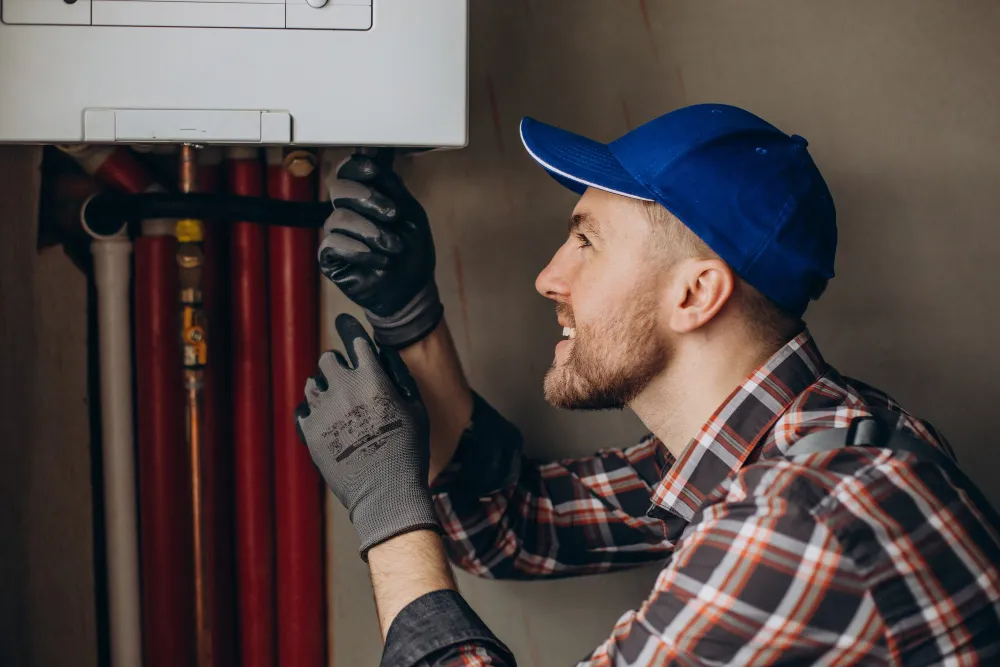
The short answer is yes, in many homes it can. However, the boiler, controls, pipework, flow temperature and heating zones all need to be checked before the installation goes ahead. A standard boiler swap may not be enough if the underfloor heating has different requirements to your radiators.
For homeowners looking at boiler installation Deeside, this guide explains what needs to be considered before choosing a new boiler for a home with underfloor heating. If you are unsure what setup your property needs, you can speak to the CAF Gas CIC team for tailored advice.
Can a New Boiler Work With Underfloor Heating?
Yes, a new boiler can usually work with underfloor heating, provided the system is designed and connected correctly. The key point is that underfloor heating often runs at a lower temperature than traditional radiators.
Radiators normally need hotter water to heat a room quickly. Underfloor heating spreads warmth across a larger surface area, so it can often work efficiently at a lower flow temperature. This is one reason many homeowners like it, but it also means the boiler and controls must be set up properly.
A boiler that is too powerful, incorrectly configured or connected without the right controls can lead to uneven heating, wasted energy or comfort issues between rooms.
Why Does Underfloor Heating Need Careful Boiler Planning?
Underfloor heating is not just another radiator circuit. It usually has its own manifold, pump, mixing valve and thermostat controls. These parts help regulate how warm the water is before it flows through the floor pipes.
If these components are not checked during a boiler upgrade, the system may still turn on, but it may not perform as well as it should. You could experience rooms taking too long to warm up, hot and cold patches, or a boiler that cycles on and off too often.
Before any installation, an engineer should assess:
- The type of underfloor heating installed
- Whether it is water-based or electric
- The size and number of heating zones
- Existing radiator circuits
- Boiler output requirements
- Thermostat and control compatibility
- Pipework condition and system cleanliness
This is where an experienced boiler fitter Deeside homeowners trust can make a real difference, because the job is about the whole heating system, not just the boiler itself.
Underfloor Heating and Radiators: What Is the Difference?
Many homes have a mixed heating setup, with radiators upstairs and underfloor heating downstairs. This is common in extensions, kitchens, open-plan spaces and renovated properties.
The challenge is that radiators and underfloor heating often work best at different water temperatures. A well-planned system can manage this through zoning and controls, allowing each area to heat properly without one part of the home overpowering the other.
| Heating Type | Typical Requirement | What Must Be Checked |
| Radiators | Higher flow temperature | Boiler output, radiator sizing and balancing |
| Water underfloor heating | Lower flow temperature | Manifold, pump, mixing valve and controls |
| Mixed system | Separate control zones | Thermostats, timers and pipework layout |
| Older installations | May need system upgrades | Flushing, pressure checks and compatibility |
The best results usually come from treating the boiler upgrade as a heating-system review rather than a like-for-like appliance swap.
What Should Be Checked Before Installing the Boiler?
Before fitting a new boiler, the installer should check whether the existing heating setup can support the new appliance safely and efficiently. This is especially important when underfloor heating is already in place.
A proper pre-installation check should include the boiler size, water pressure, controls, heating zones, system cleanliness and any signs of sludge or restricted flow. If the underfloor heating has not been serviced or inspected for a long time, this should also be flagged before the new boiler is fitted.
Important checks include:
- Does the boiler output match the property’s heat demand?
- Are the underfloor heating controls working correctly?
- Is the manifold in good condition?
- Are radiators and floor zones properly separated?
- Is the system pressure stable?
- Does the pipework need flushing before installation?
- Will the new boiler work with the existing thermostat setup?
For boiler installation Deeside, these checks are particularly useful in homes with extensions, older pipework or mixed heating systems.
Do You Need a Combi Boiler, System Boiler or Regular Boiler?
The right boiler type depends on the size of your home, hot water demand and existing heating setup. Underfloor heating does not automatically rule out a combi boiler, but it does mean the choice should be made carefully.
A combi boiler can be suitable for smaller homes with one bathroom and manageable heating demand. A system boiler may be better for larger homes with multiple bathrooms, higher hot water usage or more complex heating zones. A regular boiler may be relevant in older properties with traditional tanks and cylinders.
The best option depends on the property, not just the age of the current boiler. A professional survey should look at how the home is used day to day, how many people live there and whether future upgrades are planned.
Which fuel powers your boiler?
It just takes 2 minutes
And then you can book a free consultation
Can Underfloor Heating Improve Boiler Efficiency?
Underfloor heating can support boiler efficiency when it is correctly designed and controlled. Because it can run at lower temperatures, it may help the boiler operate more efficiently, especially with modern condensing boilers.
However, efficiency is not automatic. Poor controls, oversized boilers, dirty systems or badly balanced circuits can reduce the benefit. If the boiler is constantly stopping and starting, or if rooms are overheating, the system may need adjustment.
A good setup should give you steady warmth, sensible running costs and better control across the home. If you want your full heating setup checked before upgrading, contact CAF Gas CIC for clear, practical guidance.
Example Scenario: A Deeside Home With an Extension
A common example would be a Deeside homeowner with radiators throughout the original house and underfloor heating in a rear kitchen extension. The current boiler may be ageing, but the underfloor heating still works reasonably well.
In this situation, the installer should not only replace the boiler. They should check whether the extension has its own thermostat, whether the manifold is accessible and whether the boiler can serve both the radiators and floor heating without short cycling.
The solution may be a correctly sized boiler, improved controls and a system clean before installation. This helps the new boiler work with the existing underfloor heating rather than fighting against it.
What Can Go Wrong if Compatibility Is Ignored?
If compatibility is not checked, the new boiler may technically work but still leave the homeowner with problems. These issues can be frustrating because they may not appear immediately on installation day.
Common problems include:
- Underfloor heating taking too long to warm up
- Radiators heating well but floor zones staying cool
- Boiler pressure dropping
- Rooms overheating because controls are not separated
- Higher energy usage than expected
- Noisy pipework or poor circulation
- Boiler cycling too frequently
These issues are often avoidable when the installer checks the full system before recommending a boiler.
Should Controls Be Upgraded at the Same Time?
Controls are a major part of underfloor heating performance. If the boiler is new but the thermostats, wiring centre or manifold controls are outdated, the system may not run as efficiently as it could.
Modern heating controls can help separate rooms or zones, set different heating schedules and reduce unnecessary energy use. This is useful in homes where underfloor heating serves one part of the property and radiators serve another.
You may not need a full control replacement, but it should be reviewed as part of the installation. A reliable boiler fitter Deeside residents can speak to should explain whether the existing controls are suitable or whether an upgrade would genuinely help.
How Should Homeowners Prepare for a Boiler Survey?
Before booking a survey, it helps to gather a few details about your current heating system. You do not need to know everything, but a little preparation can help the installer give better advice.
Try to check:
- Where the underfloor heating manifold is located
- Which rooms have underfloor heating
- Whether each zone has its own thermostat
- The age and model of your current boiler
- Whether you have a hot water cylinder
- Any rooms that heat slowly or unevenly
- Any past boiler or pressure issues
This information helps the engineer understand how your heating system behaves in real life, not just how it looks on paper.
Is a Like-for-Like Boiler Swap Enough?
Sometimes, yes. If the current system is well-designed, the boiler is correctly sized and the controls are working properly, a straightforward replacement may be suitable.
However, with underfloor heating, it is always worth checking before assuming. A like-for-like replacement might miss an opportunity to improve comfort, controls or efficiency. It could also carry over existing issues into the new setup.
For boiler installation Deeside, the safest approach is to have the full heating system reviewed before the final boiler recommendation is made. To discuss your setup, speak to CAF Gas CIC and request a bespoke quote.
Final Thoughts
A new boiler can work very well with underfloor heating, but only when the full heating system is properly assessed. The boiler type, output, controls, manifold and heating zones all need to be considered before installation begins.
CAF Gas CIC can help Deeside homeowners understand what their system needs and avoid common compatibility issues. With the right checks and advice, your new boiler can support comfortable, reliable heating across both radiators and underfloor zones.
Related articles
Which fuel powers your boiler?
At a glance
The short answer is yes, in many homes it can. However, the boiler, controls, pipework, flow temperature and heating zones all need to be checked before the installation goes ahead. A standard boiler swap may not be enough if the underfloor heating has different requirements to your radiators.
For homeowners looking at boiler installation Deeside, this guide explains what needs to be considered before choosing a new boiler for a home with underfloor heating. If you are unsure what setup your property needs, you can speak to the CAF Gas CIC team for tailored advice.
Can a New Boiler Work With Underfloor Heating?
Yes, a new boiler can usually work with underfloor heating, provided the system is designed and connected correctly. The key point is that underfloor heating often runs at a lower temperature than traditional radiators.
Radiators normally need hotter water to heat a room quickly. Underfloor heating spreads warmth across a larger surface area, so it can often work efficiently at a lower flow temperature. This is one reason many homeowners like it, but it also means the boiler and controls must be set up properly.
A boiler that is too powerful, incorrectly configured or connected without the right controls can lead to uneven heating, wasted energy or comfort issues between rooms.
Why Does Underfloor Heating Need Careful Boiler Planning?
Underfloor heating is not just another radiator circuit. It usually has its own manifold, pump, mixing valve and thermostat controls. These parts help regulate how warm the water is before it flows through the floor pipes.
If these components are not checked during a boiler upgrade, the system may still turn on, but it may not perform as well as it should. You could experience rooms taking too long to warm up, hot and cold patches, or a boiler that cycles on and off too often.
Before any installation, an engineer should assess:
- The type of underfloor heating installed
- Whether it is water-based or electric
- The size and number of heating zones
- Existing radiator circuits
- Boiler output requirements
- Thermostat and control compatibility
- Pipework condition and system cleanliness
This is where an experienced boiler fitter Deeside homeowners trust can make a real difference, because the job is about the whole heating system, not just the boiler itself.
Underfloor Heating and Radiators: What Is the Difference?
Many homes have a mixed heating setup, with radiators upstairs and underfloor heating downstairs. This is common in extensions, kitchens, open-plan spaces and renovated properties.
The challenge is that radiators and underfloor heating often work best at different water temperatures. A well-planned system can manage this through zoning and controls, allowing each area to heat properly without one part of the home overpowering the other.
| Heating Type | Typical Requirement | What Must Be Checked |
| Radiators | Higher flow temperature | Boiler output, radiator sizing and balancing |
| Water underfloor heating | Lower flow temperature | Manifold, pump, mixing valve and controls |
| Mixed system | Separate control zones | Thermostats, timers and pipework layout |
| Older installations | May need system upgrades | Flushing, pressure checks and compatibility |
The best results usually come from treating the boiler upgrade as a heating-system review rather than a like-for-like appliance swap.
What Should Be Checked Before Installing the Boiler?
Before fitting a new boiler, the installer should check whether the existing heating setup can support the new appliance safely and efficiently. This is especially important when underfloor heating is already in place.
A proper pre-installation check should include the boiler size, water pressure, controls, heating zones, system cleanliness and any signs of sludge or restricted flow. If the underfloor heating has not been serviced or inspected for a long time, this should also be flagged before the new boiler is fitted.
Important checks include:
- Does the boiler output match the property’s heat demand?
- Are the underfloor heating controls working correctly?
- Is the manifold in good condition?
- Are radiators and floor zones properly separated?
- Is the system pressure stable?
- Does the pipework need flushing before installation?
- Will the new boiler work with the existing thermostat setup?
For boiler installation Deeside, these checks are particularly useful in homes with extensions, older pipework or mixed heating systems.
Do You Need a Combi Boiler, System Boiler or Regular Boiler?
The right boiler type depends on the size of your home, hot water demand and existing heating setup. Underfloor heating does not automatically rule out a combi boiler, but it does mean the choice should be made carefully.
A combi boiler can be suitable for smaller homes with one bathroom and manageable heating demand. A system boiler may be better for larger homes with multiple bathrooms, higher hot water usage or more complex heating zones. A regular boiler may be relevant in older properties with traditional tanks and cylinders.
The best option depends on the property, not just the age of the current boiler. A professional survey should look at how the home is used day to day, how many people live there and whether future upgrades are planned.
Which fuel powers your boiler?
It just takes 2 minutes
And then you can book a free consultation
Can Underfloor Heating Improve Boiler Efficiency?
Underfloor heating can support boiler efficiency when it is correctly designed and controlled. Because it can run at lower temperatures, it may help the boiler operate more efficiently, especially with modern condensing boilers.
However, efficiency is not automatic. Poor controls, oversized boilers, dirty systems or badly balanced circuits can reduce the benefit. If the boiler is constantly stopping and starting, or if rooms are overheating, the system may need adjustment.
A good setup should give you steady warmth, sensible running costs and better control across the home. If you want your full heating setup checked before upgrading, contact CAF Gas CIC for clear, practical guidance.
Example Scenario: A Deeside Home With an Extension
A common example would be a Deeside homeowner with radiators throughout the original house and underfloor heating in a rear kitchen extension. The current boiler may be ageing, but the underfloor heating still works reasonably well.
In this situation, the installer should not only replace the boiler. They should check whether the extension has its own thermostat, whether the manifold is accessible and whether the boiler can serve both the radiators and floor heating without short cycling.
The solution may be a correctly sized boiler, improved controls and a system clean before installation. This helps the new boiler work with the existing underfloor heating rather than fighting against it.
What Can Go Wrong if Compatibility Is Ignored?
If compatibility is not checked, the new boiler may technically work but still leave the homeowner with problems. These issues can be frustrating because they may not appear immediately on installation day.
Common problems include:
- Underfloor heating taking too long to warm up
- Radiators heating well but floor zones staying cool
- Boiler pressure dropping
- Rooms overheating because controls are not separated
- Higher energy usage than expected
- Noisy pipework or poor circulation
- Boiler cycling too frequently
These issues are often avoidable when the installer checks the full system before recommending a boiler.
Should Controls Be Upgraded at the Same Time?
Controls are a major part of underfloor heating performance. If the boiler is new but the thermostats, wiring centre or manifold controls are outdated, the system may not run as efficiently as it could.
Modern heating controls can help separate rooms or zones, set different heating schedules and reduce unnecessary energy use. This is useful in homes where underfloor heating serves one part of the property and radiators serve another.
You may not need a full control replacement, but it should be reviewed as part of the installation. A reliable boiler fitter Deeside residents can speak to should explain whether the existing controls are suitable or whether an upgrade would genuinely help.
How Should Homeowners Prepare for a Boiler Survey?
Before booking a survey, it helps to gather a few details about your current heating system. You do not need to know everything, but a little preparation can help the installer give better advice.
Try to check:
- Where the underfloor heating manifold is located
- Which rooms have underfloor heating
- Whether each zone has its own thermostat
- The age and model of your current boiler
- Whether you have a hot water cylinder
- Any rooms that heat slowly or unevenly
- Any past boiler or pressure issues
This information helps the engineer understand how your heating system behaves in real life, not just how it looks on paper.
Is a Like-for-Like Boiler Swap Enough?
Sometimes, yes. If the current system is well-designed, the boiler is correctly sized and the controls are working properly, a straightforward replacement may be suitable.
However, with underfloor heating, it is always worth checking before assuming. A like-for-like replacement might miss an opportunity to improve comfort, controls or efficiency. It could also carry over existing issues into the new setup.
For boiler installation Deeside, the safest approach is to have the full heating system reviewed before the final boiler recommendation is made. To discuss your setup, speak to CAF Gas CIC and request a bespoke quote.
Final Thoughts
A new boiler can work very well with underfloor heating, but only when the full heating system is properly assessed. The boiler type, output, controls, manifold and heating zones all need to be considered before installation begins.
CAF Gas CIC can help Deeside homeowners understand what their system needs and avoid common compatibility issues. With the right checks and advice, your new boiler can support comfortable, reliable heating across both radiators and underfloor zones.


