 Up to 12 year labour warranty


CafGas CIC: Local Boiler Repair in Deeside with a Community Purpose
A reliable boiler is something most households rarely think about until heating or hot water suddenly stops working properly. Whether it is a pressure issue, unusual noise, or a complete breakdown, boiler problems can quickly disrupt everyday life.

Why you can trust our content
At CafGas CIC, we know choosing a new boiler can feel overwhelming, especially with so much conflicting advice online. That’s why we focus on clear guidance, honest recommendations, and trusted expertise to help homeowners make informed decisions about their heating systems.
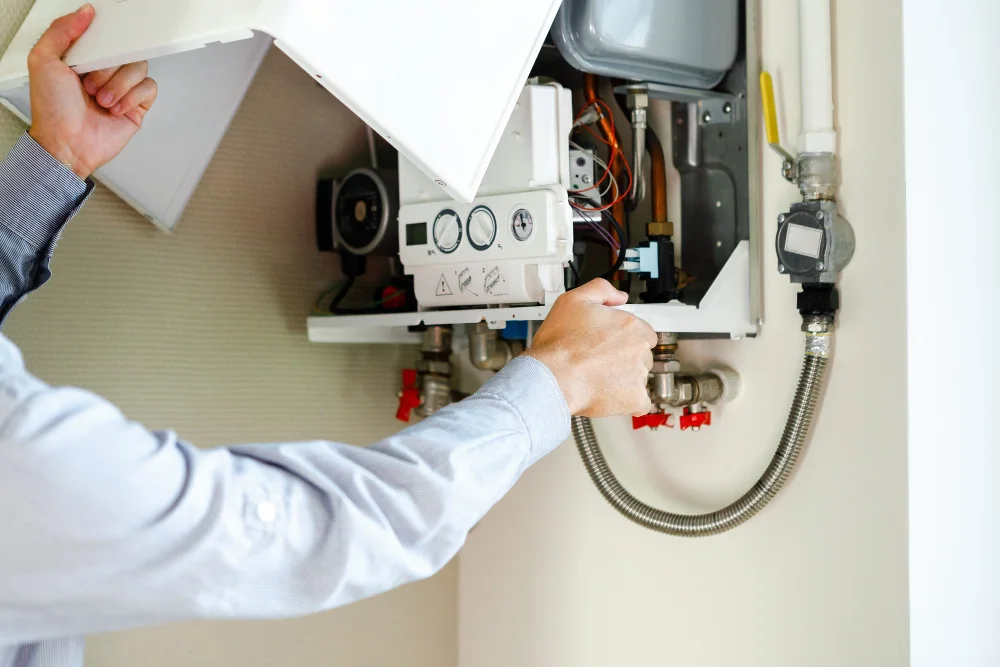
For many homeowners, the immediate concern is restoring heating safely and efficiently while understanding whether repair or replacement is the better long-term option.
Local support can make a significant difference during these situations. Having access to experienced engineers who understand the needs of households across Deeside often helps reduce stress and improve response times when heating issues arise.
Understanding how boiler repair deeside services work, what affects repair decisions, and when replacement may become more practical can help homeowners feel more prepared when problems occur.
What are the most common boiler problems?
Boilers can develop faults for many different reasons, particularly as systems age.
Common issues include:
- Low boiler pressure
- No heating or hot water
- Leaking components
- Noisy operation
- Thermostat faults
- Frozen condensate pipes
- Ignition problems
Some faults are relatively straightforward to resolve, while others may indicate more serious wear within the heating system.
A professional assessment helps identify whether the issue can be repaired safely and cost-effectively.
If your heating system is showing signs of trouble, contact CafGas CIC for practical advice and local heating support.
What affects boiler repair costs?
The overall boiler repair cost depends on several factors, including the nature of the fault and the age of the system.
Typical influences include:
| Repair Factor | Why It Matters |
| Fault severity | Larger faults usually require more labour |
| Replacement parts | Some components are more expensive |
| Boiler age | Older systems may need harder-to-source parts |
| System condition | Wider heating issues can affect repairs |
| Emergency timing | Urgent callouts may vary in cost |
Simple repairs are often less disruptive and more affordable than major component failures.
However, repeated repairs over time can sometimes make replacement a more practical long-term decision.
When should homeowners consider repairing rather than replacing?
Many faults can be repaired successfully without needing a full boiler replacement.
Repair may be appropriate when:
- The boiler is relatively modern
- Faults are isolated
- Replacement parts remain available
- The system has been regularly serviced
- Overall efficiency remains reasonable
A professional engineer should explain the likely lifespan of the system and whether ongoing repairs remain worthwhile.
For households arranging boiler repair deeside, honest guidance is important when deciding between short-term repair and longer-term replacement planning.
How can regular servicing reduce breakdown risks?
Routine servicing helps identify smaller issues before they become larger problems.
Benefits of annual servicing may include:
- Improved reliability
- Better efficiency
- Earlier fault detection
- Safer operation
- Warranty compliance
Many common heating issues develop gradually over time. Servicing allows engineers to inspect components, test performance, and identify wear before breakdowns occur.
This can reduce unexpected disruption during colder periods when heating demand is highest.
Which fuel powers your boiler?
It just takes 2 minutes
And then you can book a free consultation
Why does local support matter during a boiler breakdown?
Heating issues can feel stressful, particularly during winter or when households rely heavily on hot water throughout the day.
Local engineers may offer advantages such as:
| Benefit of Local Support | Why It Helps |
| Faster response times | Reduces heating disruption |
| Familiarity with local homes | Helps assess common system layouts |
| Easier communication | Improves customer support |
| Ongoing maintenance access | Simplifies future servicing |
For many homeowners, knowing who to contact when heating problems arise provides added reassurance.
CafGas CIC supports households across Deeside with practical heating advice, repair assessments, and ongoing customer support.
What happens during a repair visit?
A repair appointment normally begins with a fault assessment.
The engineer may:
- Inspect the boiler
- Check system pressure
- Test heating controls
- Examine error codes
- Assess water temperature
- Review pipework and radiators
Once the issue is identified, the engineer can explain:
- The likely cause
- Recommended repairs
- Estimated timescales
- Possible future concerns
Clear explanations help homeowners understand whether the repair represents a sensible long-term option.
When does replacement become more practical?
At a certain stage, repeated repairs may become less cost-effective.
Replacement may be worth considering if:
- Breakdowns become frequent
- Repair bills continue increasing
- Parts are difficult to source
- Efficiency drops noticeably
- The boiler approaches the end of its expected lifespan
While some repairs are straightforward, ongoing issues can place additional strain on both the system and household budget.
A professional assessment helps determine whether continued boiler repair remains worthwhile.
A typical example from a Deeside household
A homeowner in a two-bedroom terraced property may initially arrange repairs after noticing intermittent heating problems during winter.
The first repair resolves the issue temporarily, but several months later further faults appear, including:
- Pressure loss
- Inconsistent hot water
- Noisy operation
- Rising energy bills
Following inspection, the engineer explains that while another repair is possible, the ageing boiler is becoming increasingly unreliable and less efficient.
Rather than continuing with repeated callouts, the homeowner begins planning a replacement installation before a complete breakdown occurs.
This type of proactive planning often reduces emergency disruption later.
What questions should homeowners ask during a repair assessment?
During a repair visit, homeowners may wish to ask:
- What caused the fault?
- Is the repair likely to last?
- Are replacement parts available?
- Is the boiler still efficient?
- Could future repairs become more frequent?
- Would replacement soon become more practical?
These conversations help homeowners make informed decisions rather than reacting only to the immediate fault.
Can boiler repairs improve efficiency?
In some cases, yes.
Resolving issues such as faulty components, poor circulation, or thermostat problems may help restore better system performance.
However, older boilers naturally become less efficient over time compared to modern systems.
A repair can improve operation, but it may not fully address age-related inefficiency if the boiler is already nearing the end of its lifespan.
Why is honest advice important during repairs?
Homeowners often rely heavily on professional guidance when heating problems occur.
Trustworthy engineers should explain:
- Whether repair is sensible
- What future risks may exist
- Likely ongoing maintenance needs
- Whether replacement planning is worth considering
Clear and balanced advice helps homeowners feel more confident during stressful situations involving heating failures.
If you need local heating support or practical advice about ongoing boiler issues, speak to CafGas CIC about the most suitable next steps for your home.
Final Thoughts
Boiler problems can be disruptive, but clear guidance and reliable local support can help homeowners make more informed decisions about repair and long-term heating reliability.
By understanding what causes common faults, what influences repair costs, and when replacement may become more sensible, households across Deeside can approach heating issues with greater confidence.
CafGas CIC supports local homeowners with practical repair advice, experienced heating assessments, and community-focused customer support designed around real household needs.
Related articles
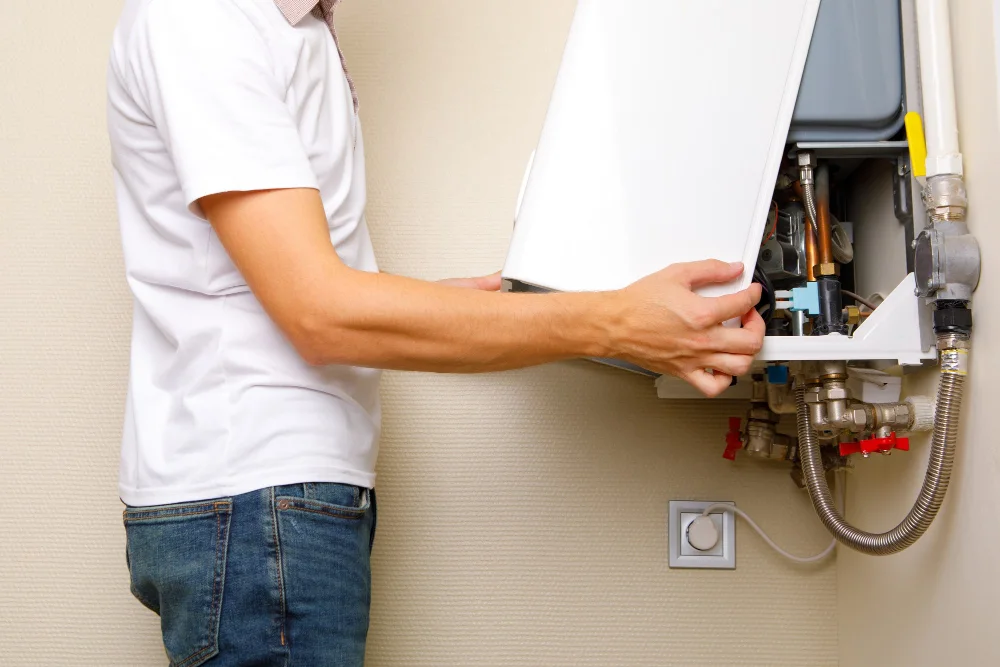
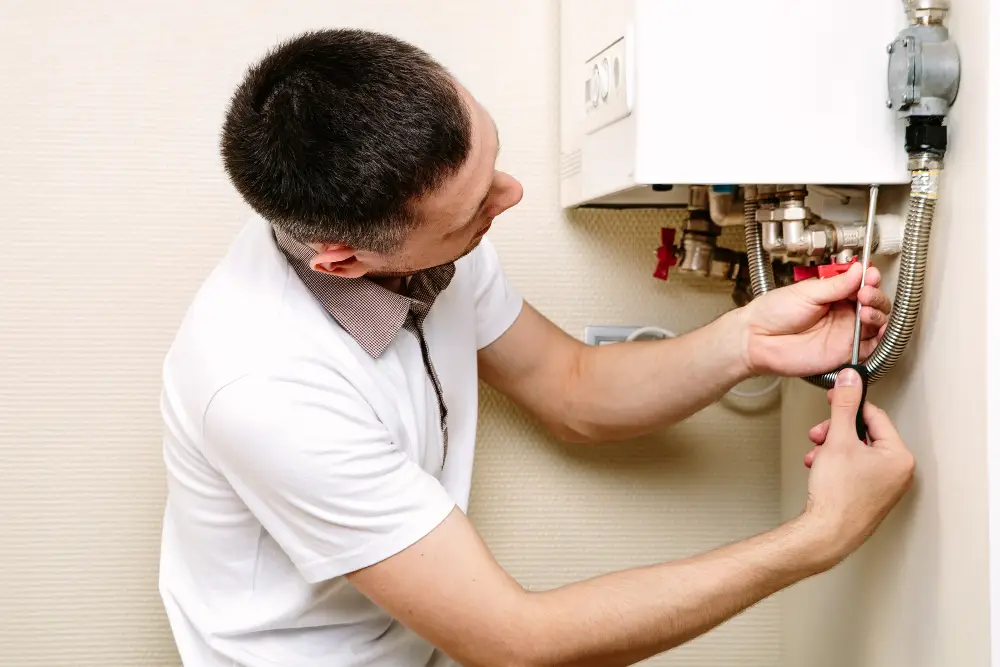
Which fuel powers your boiler?
At a glance
For many homeowners, the immediate concern is restoring heating safely and efficiently while understanding whether repair or replacement is the better long-term option.
Local support can make a significant difference during these situations. Having access to experienced engineers who understand the needs of households across Deeside often helps reduce stress and improve response times when heating issues arise.
Understanding how boiler repair deeside services work, what affects repair decisions, and when replacement may become more practical can help homeowners feel more prepared when problems occur.
What are the most common boiler problems?
Boilers can develop faults for many different reasons, particularly as systems age.
Common issues include:
- Low boiler pressure
- No heating or hot water
- Leaking components
- Noisy operation
- Thermostat faults
- Frozen condensate pipes
- Ignition problems
Some faults are relatively straightforward to resolve, while others may indicate more serious wear within the heating system.
A professional assessment helps identify whether the issue can be repaired safely and cost-effectively.
If your heating system is showing signs of trouble, contact CafGas CIC for practical advice and local heating support.
What affects boiler repair costs?
The overall boiler repair cost depends on several factors, including the nature of the fault and the age of the system.
Typical influences include:
| Repair Factor | Why It Matters |
| Fault severity | Larger faults usually require more labour |
| Replacement parts | Some components are more expensive |
| Boiler age | Older systems may need harder-to-source parts |
| System condition | Wider heating issues can affect repairs |
| Emergency timing | Urgent callouts may vary in cost |
Simple repairs are often less disruptive and more affordable than major component failures.
However, repeated repairs over time can sometimes make replacement a more practical long-term decision.
When should homeowners consider repairing rather than replacing?
Many faults can be repaired successfully without needing a full boiler replacement.
Repair may be appropriate when:
- The boiler is relatively modern
- Faults are isolated
- Replacement parts remain available
- The system has been regularly serviced
- Overall efficiency remains reasonable
A professional engineer should explain the likely lifespan of the system and whether ongoing repairs remain worthwhile.
For households arranging boiler repair deeside, honest guidance is important when deciding between short-term repair and longer-term replacement planning.
How can regular servicing reduce breakdown risks?
Routine servicing helps identify smaller issues before they become larger problems.
Benefits of annual servicing may include:
- Improved reliability
- Better efficiency
- Earlier fault detection
- Safer operation
- Warranty compliance
Many common heating issues develop gradually over time. Servicing allows engineers to inspect components, test performance, and identify wear before breakdowns occur.
This can reduce unexpected disruption during colder periods when heating demand is highest.
Which fuel powers your boiler?
It just takes 2 minutes
And then you can book a free consultation
Why does local support matter during a boiler breakdown?
Heating issues can feel stressful, particularly during winter or when households rely heavily on hot water throughout the day.
Local engineers may offer advantages such as:
| Benefit of Local Support | Why It Helps |
| Faster response times | Reduces heating disruption |
| Familiarity with local homes | Helps assess common system layouts |
| Easier communication | Improves customer support |
| Ongoing maintenance access | Simplifies future servicing |
For many homeowners, knowing who to contact when heating problems arise provides added reassurance.
CafGas CIC supports households across Deeside with practical heating advice, repair assessments, and ongoing customer support.
What happens during a repair visit?
A repair appointment normally begins with a fault assessment.
The engineer may:
- Inspect the boiler
- Check system pressure
- Test heating controls
- Examine error codes
- Assess water temperature
- Review pipework and radiators
Once the issue is identified, the engineer can explain:
- The likely cause
- Recommended repairs
- Estimated timescales
- Possible future concerns
Clear explanations help homeowners understand whether the repair represents a sensible long-term option.
When does replacement become more practical?
At a certain stage, repeated repairs may become less cost-effective.
Replacement may be worth considering if:
- Breakdowns become frequent
- Repair bills continue increasing
- Parts are difficult to source
- Efficiency drops noticeably
- The boiler approaches the end of its expected lifespan
While some repairs are straightforward, ongoing issues can place additional strain on both the system and household budget.
A professional assessment helps determine whether continued boiler repair remains worthwhile.
A typical example from a Deeside household
A homeowner in a two-bedroom terraced property may initially arrange repairs after noticing intermittent heating problems during winter.
The first repair resolves the issue temporarily, but several months later further faults appear, including:
- Pressure loss
- Inconsistent hot water
- Noisy operation
- Rising energy bills
Following inspection, the engineer explains that while another repair is possible, the ageing boiler is becoming increasingly unreliable and less efficient.
Rather than continuing with repeated callouts, the homeowner begins planning a replacement installation before a complete breakdown occurs.
This type of proactive planning often reduces emergency disruption later.
What questions should homeowners ask during a repair assessment?
During a repair visit, homeowners may wish to ask:
- What caused the fault?
- Is the repair likely to last?
- Are replacement parts available?
- Is the boiler still efficient?
- Could future repairs become more frequent?
- Would replacement soon become more practical?
These conversations help homeowners make informed decisions rather than reacting only to the immediate fault.
Can boiler repairs improve efficiency?
In some cases, yes.
Resolving issues such as faulty components, poor circulation, or thermostat problems may help restore better system performance.
However, older boilers naturally become less efficient over time compared to modern systems.
A repair can improve operation, but it may not fully address age-related inefficiency if the boiler is already nearing the end of its lifespan.
Why is honest advice important during repairs?
Homeowners often rely heavily on professional guidance when heating problems occur.
Trustworthy engineers should explain:
- Whether repair is sensible
- What future risks may exist
- Likely ongoing maintenance needs
- Whether replacement planning is worth considering
Clear and balanced advice helps homeowners feel more confident during stressful situations involving heating failures.
If you need local heating support or practical advice about ongoing boiler issues, speak to CafGas CIC about the most suitable next steps for your home.
Final Thoughts
Boiler problems can be disruptive, but clear guidance and reliable local support can help homeowners make more informed decisions about repair and long-term heating reliability.
By understanding what causes common faults, what influences repair costs, and when replacement may become more sensible, households across Deeside can approach heating issues with greater confidence.
CafGas CIC supports local homeowners with practical repair advice, experienced heating assessments, and community-focused customer support designed around real household needs.


